Rodent Removal in Tempe, AZ
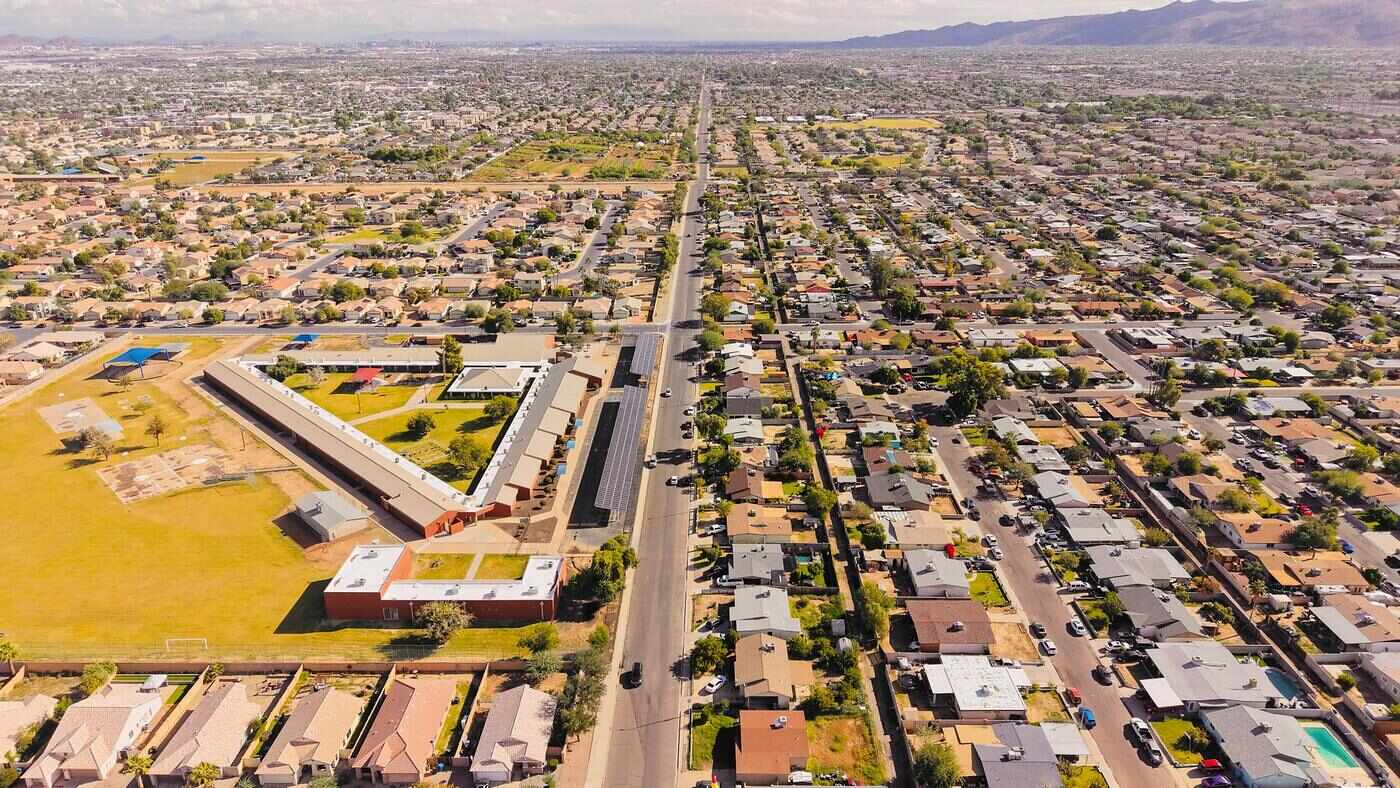
Tempe has been effectively built out for decades, so its housing is older than most of the Valley and its trees are taller. A licensed contractor walks the attic and the roofline at no charge, on one call.
Free Inspection in Tempe
The free inspection in Tempe covers the roofline, the attic, the perimeter and the garage, and on this city's housing stock the vents and the eave edge usually carry the answer. Whoever attends walks the eave from a ladder, checks the gable and soffit vents and the penetrations, reads the attic for droppings, rub marks and worn runs, then works the base of the walls and the garage door line. Findings are written down with trapping, sealing and attic work priced apart.
Tempe sits in Maricopa County between Phoenix, Mesa and Chandler, which makes it short work for a contractor covering the east Valley. The line is answered around the clock. Book a free inspection and say whether the property is owner-occupied or let, because access and documentation differ.
A built-out city means older houses and mature trees
Tempe is bounded on every side by other cities and by the Salt River corridor, and it ran out of developable land decades ago. The consequence for rodent work is that its housing skews older than the Valley average: a great deal of 1950s through 1970s single-story block and frame stock, with 1980s and 1990s infill, and relatively little of the recent master-planned development that dominates the outer suburbs.
Older houses mean older vent details. A gable or soffit vent screen fitted in 1968 has had a very long time to corrode, and a soffit return on a house of that era was not detailed against a quarter-inch standard. UF/IFAS gives a quarter inch as the rat-proofing figure, with a mouse needing a quarter inch and a rat half an inch, and on this stock quite a lot of openings fail that test through age alone.
The trees are the other half. Landscaping planted with the houses has reached the rooflines across much of the city, and Maricopa County Vector Control reports roof rats travel power lines and tree limbs and spend around ninety percent of their lives four feet or more above the ground. Trimming growth back about three feet off the roofline removes the bridge; the closure is what decides whether anything gets in.
Shingle, tile and low-slope roofs on the same street
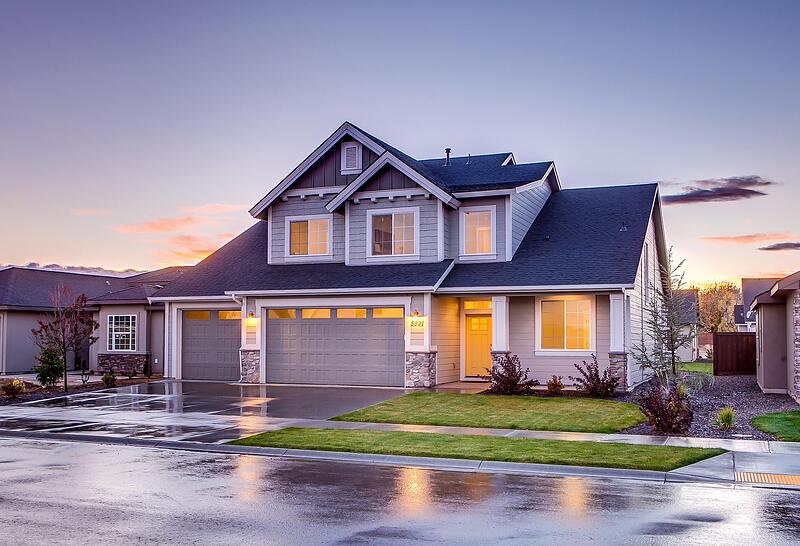
Tempe has a wider roof mix than the newer suburbs, and the opening list changes with it. Asphalt shingle is common on the mid-century stock, concrete tile appears on later infill and on reroofed houses, and flat or low-slope foam roofs with parapets and scuppers turn up on a fair number of houses of that era, including some of the mid-century designs the city is known for.
Each roof type points the search somewhere different. On shingle the openings are individual: gable and soffit vents, the soffit return corners, the eave edge and the penetrations. On tile the first course is the main event, and the original mortar closures are long gone after fifteen or twenty years of sun. On a flat or low-slope foam roof the eave gap does not exist at all, and the search moves to the parapet coping joints, the scupper throats and the wall penetrations instead.
So a Tempe quote should say which roof it was written for. A proposal that prices bird stop footage on a house with a flat roof has not looked at the building, and one that prices only vents on a barrel tile roof has missed the largest opening. Rodent exclusion covers all three cases.
Rentals, turnover and getting it in writing
A large share of Tempe housing is rented, including a great many single-family houses let to students and young professionals, and that changes the practical shape of a rodent job. Three parties typically need to know what happened: the tenant who reported it, the owner who is paying, and sometimes a property manager in between.
What serves all three is a dated report naming the areas inspected, the evidence found or recorded as absent, each closure with the material used, anything that could not be accessed, and the housekeeping items that belong to whoever lives there kept separate from the contractor's work. For an owner who does not live locally, that document is the only reliable account of what was done on site.
Turnover is the best window in the calendar for the sealing. An empty unit is the one time the penetrations behind appliances, under sinks and at the laundry can be closed without working around anybody, and the one time a garage can be emptied far enough to reach the floor line. The rodent clearance letters page covers the documentation side.
What We Handle in Tempe
Tempe calls lean toward attic trapping and vent closure, with a steady share of garage and pantry mice on the rental stock.
- Roof rat removal: trapping on the active attic runs, left at least a week since UF/IFAS notes roof rats are wary of newly placed objects.
- Rodent exclusion: galvanized cloth at the gable and soffit vents, soffit return corners closed, bird stops where there is tile, parapet and scupper work where the roof is flat.
- Mouse removal: garage, pantry and laundry trapping plus the quarter-inch gaps at pipe sleeves and the garage door line.
- Rodent inspection: free, covering roof, attic, perimeter and garage, with each finding written down.
- Attic cleanup: droppings and nests cleared from attics on houses that have changed hands several times.
- Attic insulation replacement: older shallow insulation measured and topped or replaced where it has been flattened.
- Dead rodent removal: tracing a smell to a carcass in a wall or attic, then closing the opening behind it.
- Rodent clearance letters: condition reports for a turnover, a tenant dispute or an escrow file.
- Commercial rodent control: Mill Avenue restaurants, student apartment blocks and the retail and office corridors along Rural and McClintock.
A Typical Tempe Job
The situation: A 1964 single-story block house near Mitchell Park, let to three tenants, asphalt shingle roof with a large ash tree whose limbs rest on the rear slope. The tenants reported running overhead at night through late November and also droppings on a kitchen counter. The owner lives in Flagstaff and wanted both the diagnosis and the cost before committing.
What gets done: The walk establishes two animals rather than one. The attic has droppings a quarter to half an inch long with pointed ends along the top plate above the back bedrooms and a worn run toward the hatch, which is the roof rat. The kitchen droppings are well under a quarter inch and come with a chewed cereal box, which is a mouse. On the outside, both gable vent screens have corroded through, one soffit return corner is open by roughly an inch, and the pipe sleeve under the kitchen sink was never closed. Snap traps go into the attic and into housings along the kitchen kickboard on the first visit. The second visit screens both gable vents in quarter-inch galvanized cloth, closes the soffit return with sheet metal fastened to framing, packs the sink sleeve with mesh and sealant, and replaces the garage door bottom seal. The ash limbs are trimmed back by the owner's landscaper.
How it turns out: Three rats and four mice across twelve days, then nothing from either trap line. The insulation along the attic run is scuffed and dry, so it is cleaned rather than replaced and the depth is recorded. The owner receives a dated report separating the rat work from the mouse work, listing the two vents with the mesh gauge, the soffit return, the sink sleeve and the garage seal, and noting the cereal box and open packaging as tenant housekeeping.
What This Costs in Tempe
A Tempe job is usually at the more modest end of the published bands, because the houses are smaller than the outer-suburb average and the openings tend to be individual items rather than long runs. Every figure below is settled at the free inspection.
| Work | Phoenix area (Angi) | National (HomeGuide 2026) |
|---|---|---|
| Inspection | Free here | $0 to $175 standalone |
| Trapping visit | $144 to $443, averaging about $286 | $250 to $1,200 |
| Follow-up visit | $50 to $150 | Included above |
| Sealing vents, returns and sleeves | $200 to $600 | Part of the whole-home band |
| Whole-shell exclusion | Reaches past the Phoenix figure on a tile roof | $500 to $2,500 |
| Attic cleanup | Quoted from the measured area | $600 to $2,500 |
| Insulation removal and replacement | Quoted per square foot | $2.50 to $5.50 per sq ft |
| Dead rodent removal | Quoted at the visit | $150 to $500 |
A mid-century shingle-roofed house with two corroded vent screens and an open soffit return sits near the bottom of the Phoenix sealing band. A house reroofed in concrete tile, with a long eave and a garage that was never sealed, moves toward the national figure because the first course has to be closed along its length. Ask which roof the quote was written for, and ask for trapping and sealing on separate lines.
Why mice keep coming back
A look at the openings that make it repeat.

Video: EASY WAY to Get Rid of Mice in Your House FOREVER, from Silver Cymbal.
Common Questions in Tempe
What Tempe callers ask before booking.
Why are older Tempe houses more exposed than newer suburbs?
Age of the detailing, mostly. A gable or soffit vent screen fitted in the 1960s has had decades to corrode, and a soffit return on stock of that era was not detailed against a quarter-inch standard, which UF/IFAS gives as the rat-proofing figure. The trees planted with those houses have also reached the rooflines, and Maricopa County Vector Control reports roof rats travel power lines and tree limbs. Neither is dramatic; both show up on a ladder walk in about ten minutes.
Our roof is flat. Does that change the work?
It changes where the search goes. A flat or low-slope foam roof has no tile eave course at all, so the largest opening on a typical Valley house is absent. What replaces it is the parapet: coping joints that have opened, scupper throats with no screen, and wall penetrations at roof level. A quote that prices bird stop footage on a flat roof has not looked at the building, which is worth knowing before you compare two bids.
I am a landlord and not local. What should I insist on?
A dated written report rather than a phone summary. It should name each area inspected, record evidence as found or absent, list each closure with the material used, state anything that could not be accessed, and keep the contractor's work separate from housekeeping items that belong to the occupants. It should also carry the contractor's Arizona Department of Agriculture Pest Management Division license number, which you can verify independently. That one document serves the repair, the tenancy record and your own file.
Can the sealing wait until the tenants move out?
Some of it can and some of it should not. Interior penetrations behind appliances, under sinks and at the laundry are far easier at turnover with the unit empty, and a garage is easier to reach when it is cleared. The roofline is different: an open vent or eave carries on admitting animals regardless of who is living there, and delaying it means trapping for longer. The sensible split is usually roofline now and interior penetrations at turnover.
Nearby Areas We Serve
The same contractors cover the neighboring east Valley cities, and the service area takes in the whole of Maricopa County.