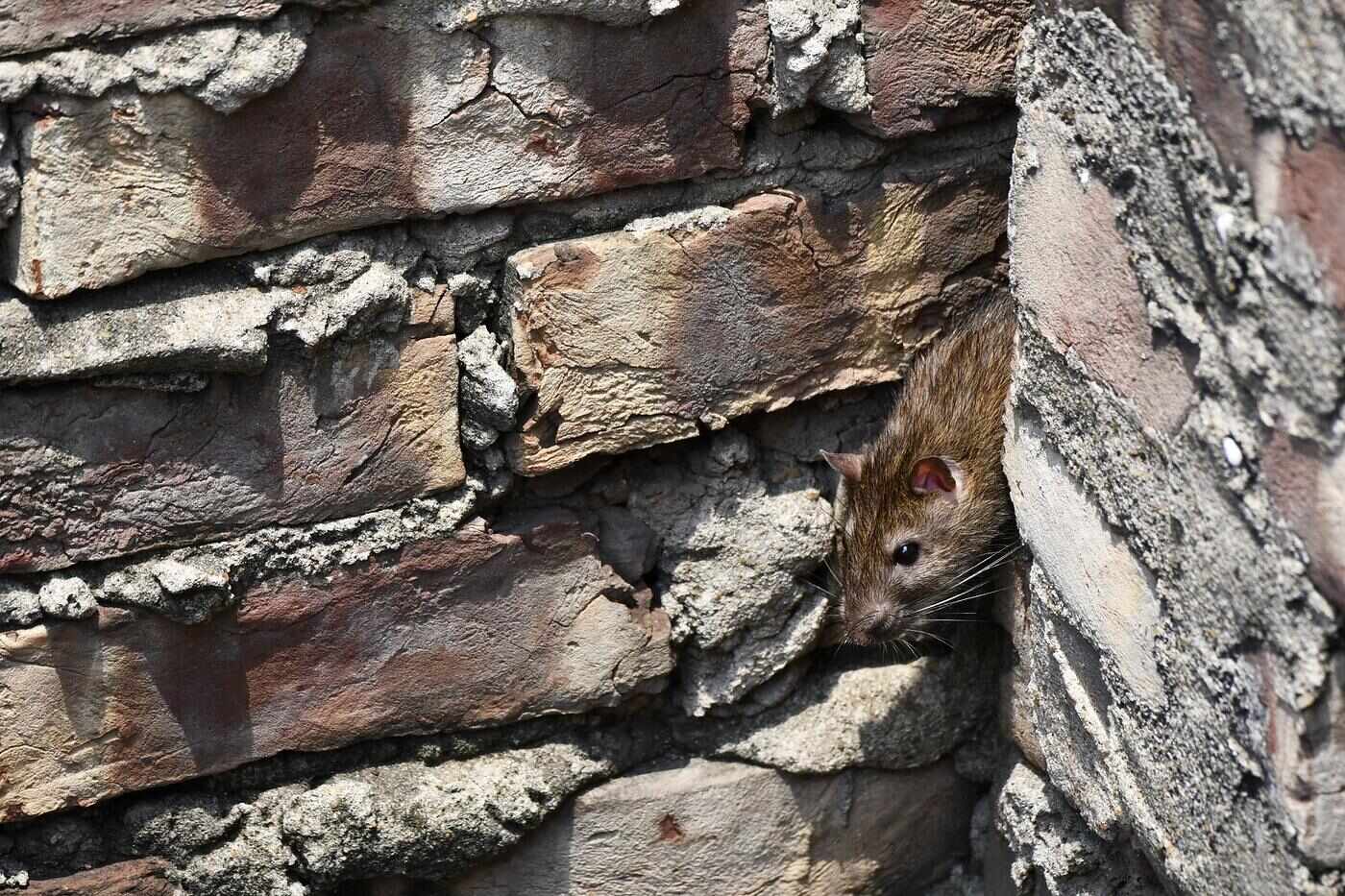
Rodent Removal Services in Phoenix
Ten services in the order the work happens: the animals out, the shell shut, the attic put back. Each one handled by a contractor licensed by the Arizona Department of Agriculture, after an inspection that costs nothing.
The order the work runs in, and why it matters
Sealing is the spine of every job on this list, because trapping with nothing closed is the single most criticized practice among people who have lived through a rodent problem. The sequence is fixed: find every opening, close the ones carrying no traffic, trap what is still inside, close the last runs once the activity stops, then deal with what was left behind in the attic.
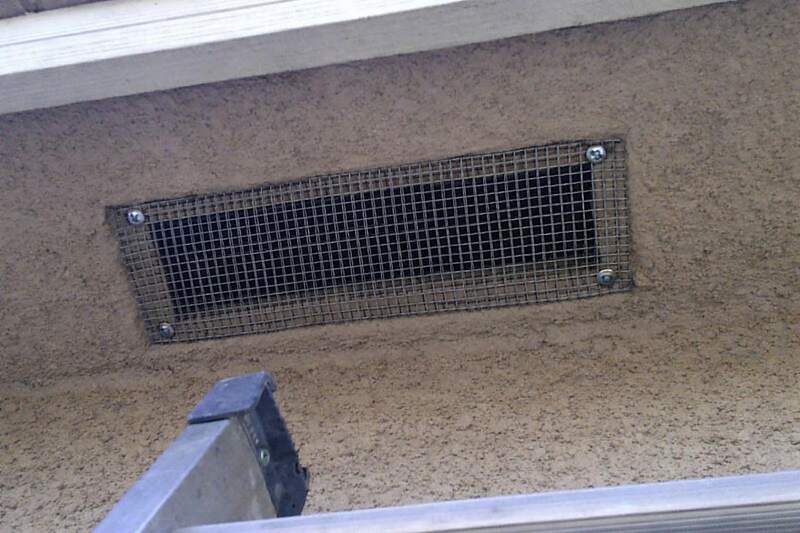
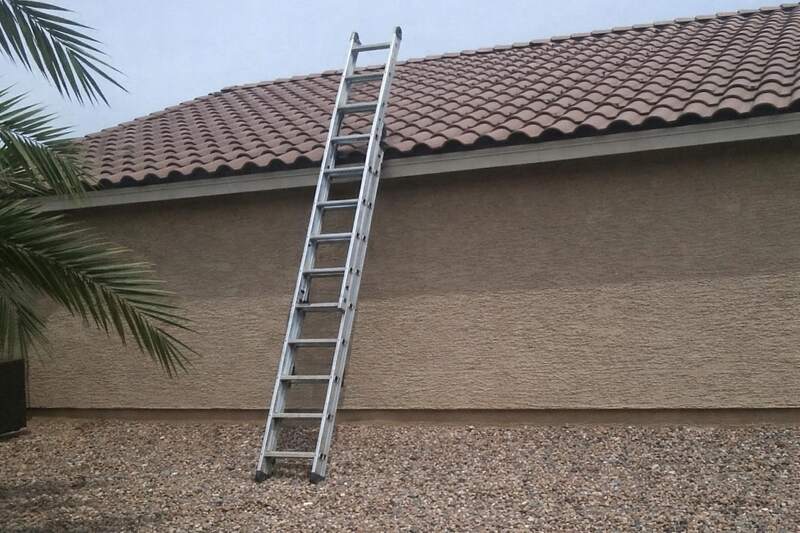
On a Phoenix house that means the roofline and the wall line. Blown-in insulation over a drywall ceiling, no basement and almost never a crawl space, so the search is the tile eave, the gable and soffit vents, the conduit and line-set sleeves through block, the weep screed at the base of the stucco, the garage door edge and the weep openings along the block wall. The inspection records each one, and the quote keeps trapping, sealing and attic work apart so that a single bundled figure never has to be taken on trust.
Who attends and which license to ask for is set out on the about page. Hours, the address and the service area are on the contact page.
The ten services, and where each sits in a job
Removal comes first, the sealing decides whether it lasts, and what happens in the attic afterward depends on what the animals left up there.
Roof Rat Removal
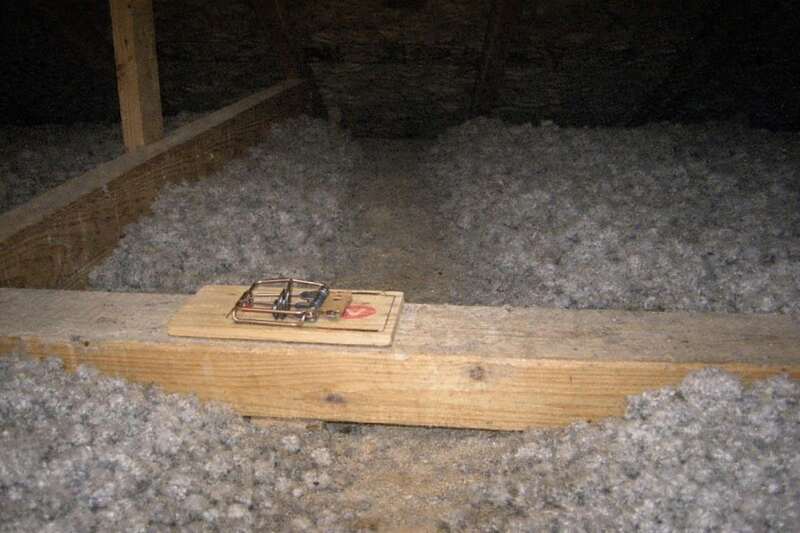
Trapping out the climber that dominates Valley attic calls, run alongside the sealing.
Learn more →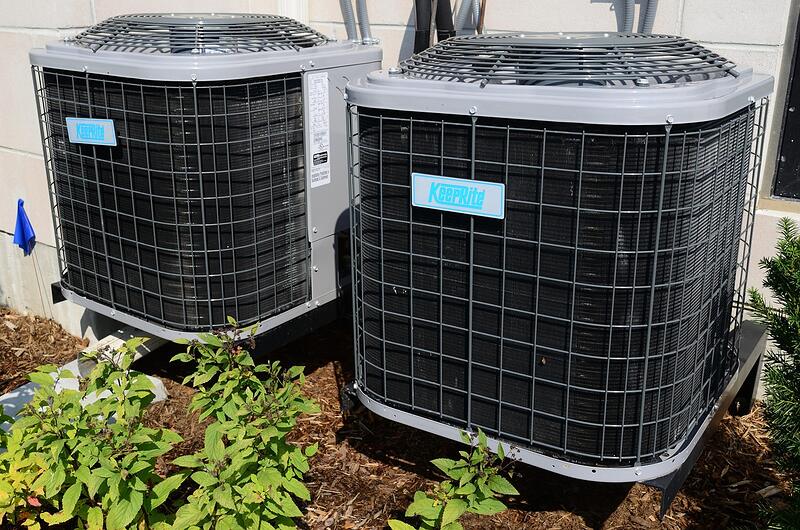
Pack Rat Removal
Middens cleared and the wiring protected on desert-edge lots, vehicles and AC equipment.
Learn more →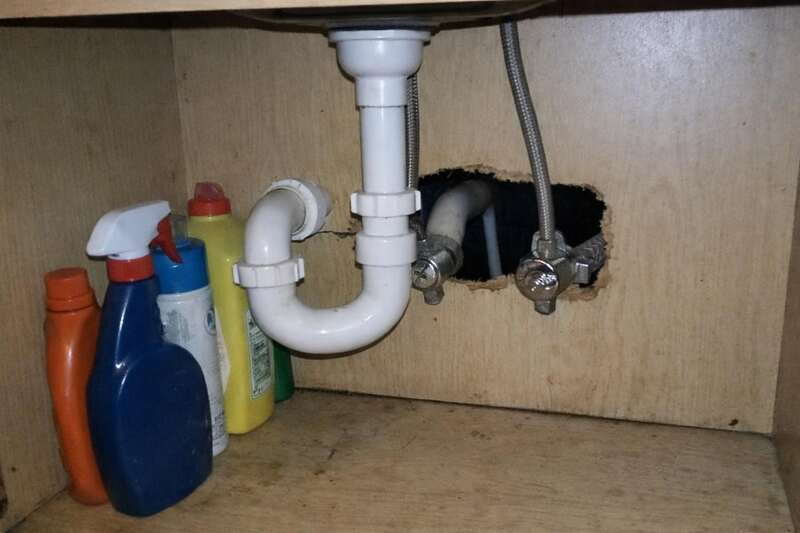
Mouse Removal
Garage, pantry and storage mice caught and the small openings they use closed.
Learn more →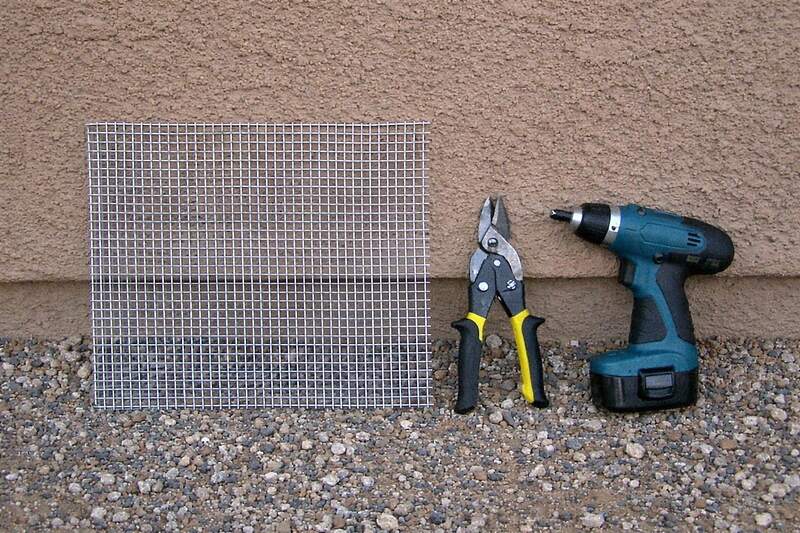
Rodent Exclusion
Closing the shell: tile eaves, vents, conduit sleeves, weep screed and garage edges.
Learn more →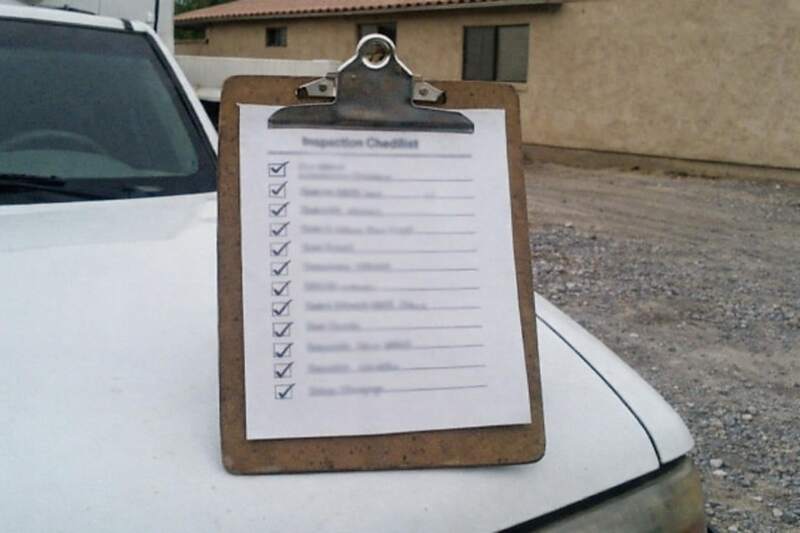
Rodent Inspection
A free walk of the roofline, attic and perimeter that fixes the order of the job.
Learn more →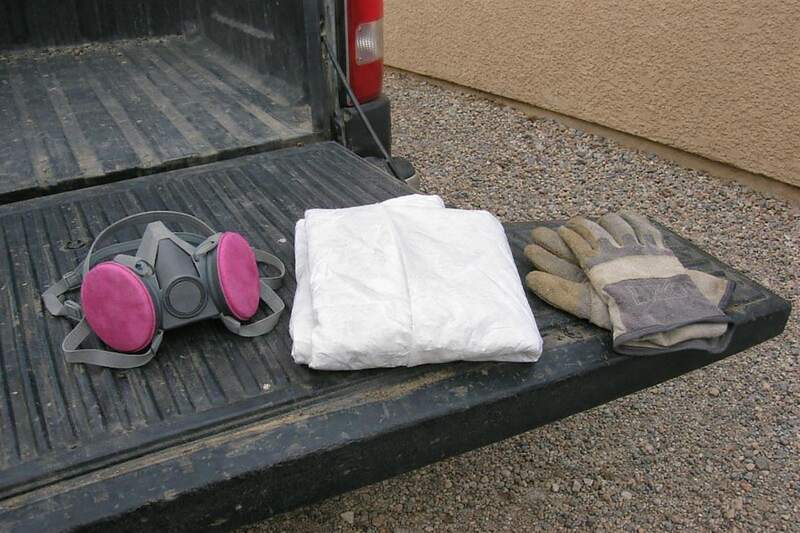
Attic Cleanup
Droppings, nests and fouled insulation taken out and the attic sanitized.
Learn more →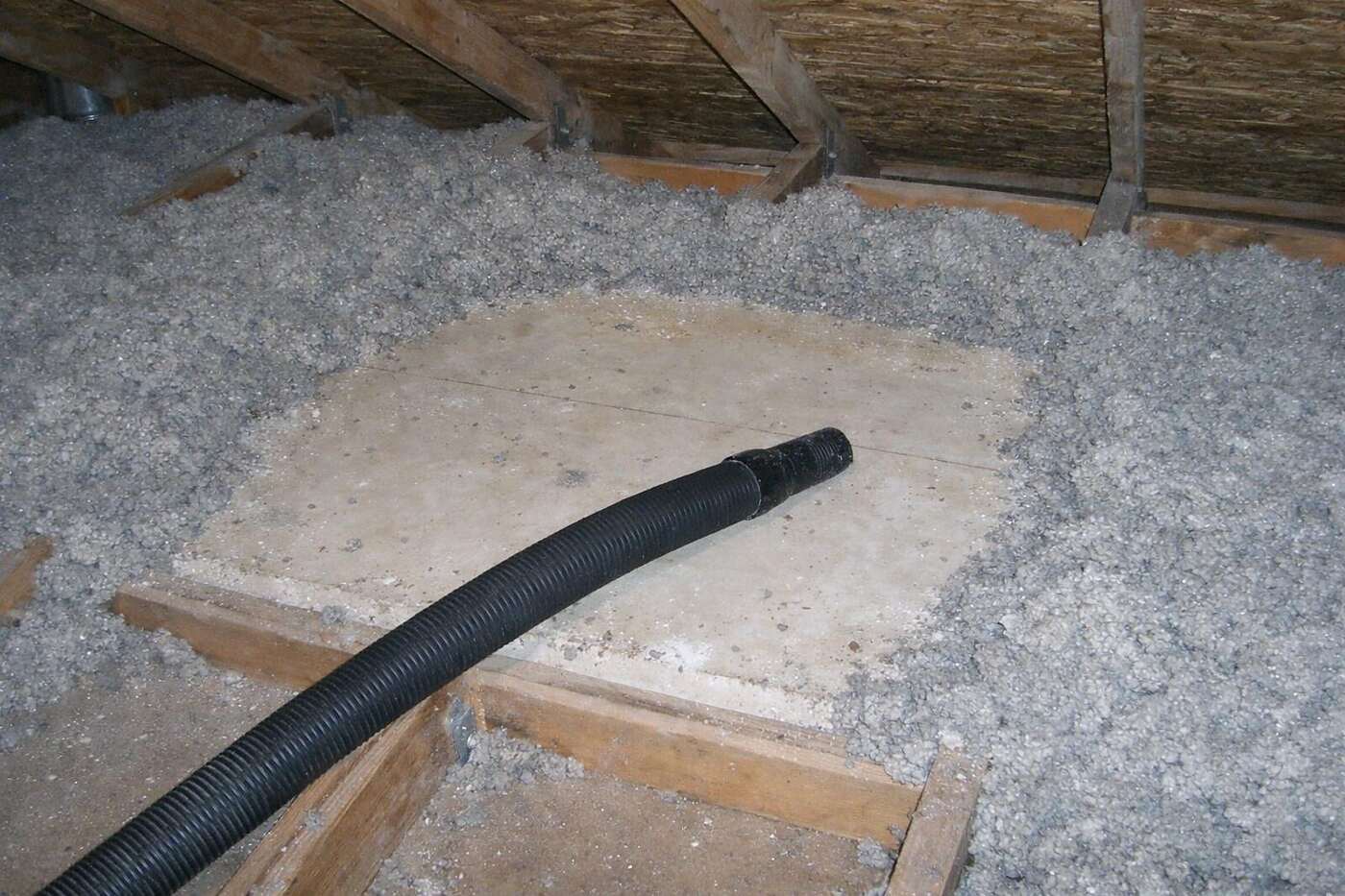
Attic Insulation Replacement
Flattened and soiled blown-in insulation removed and fresh fill blown back.
Learn more →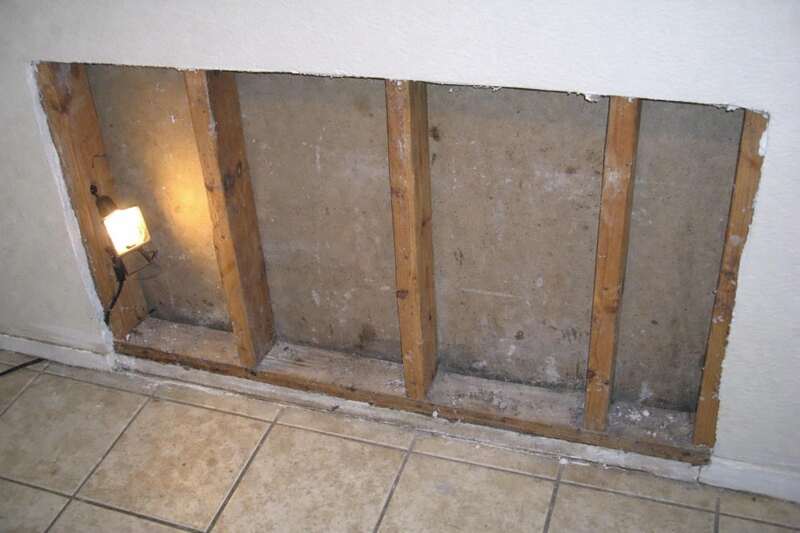
Dead Rodent Removal
Tracing the smell to the carcass, removing it, then closing the way it came in.
Learn more →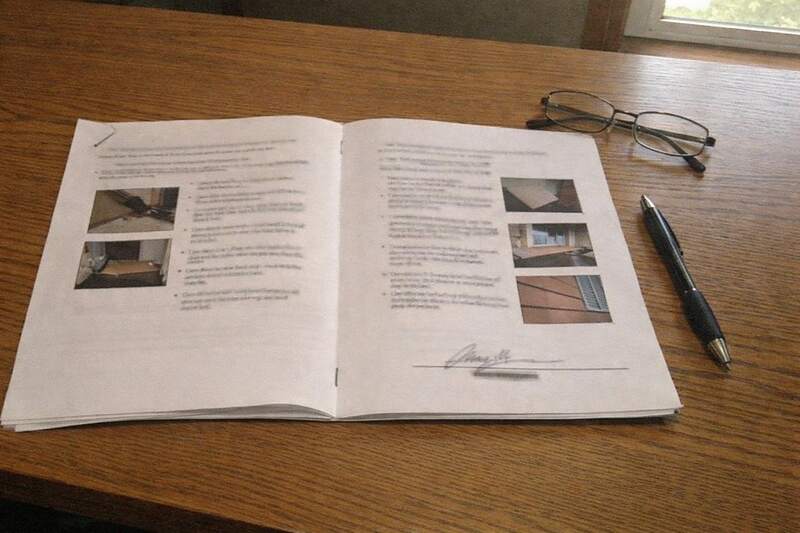
Rodent Clearance Letters
The dated written report an escrow file, a lease, an HOA notice or a claim needs.
Learn more →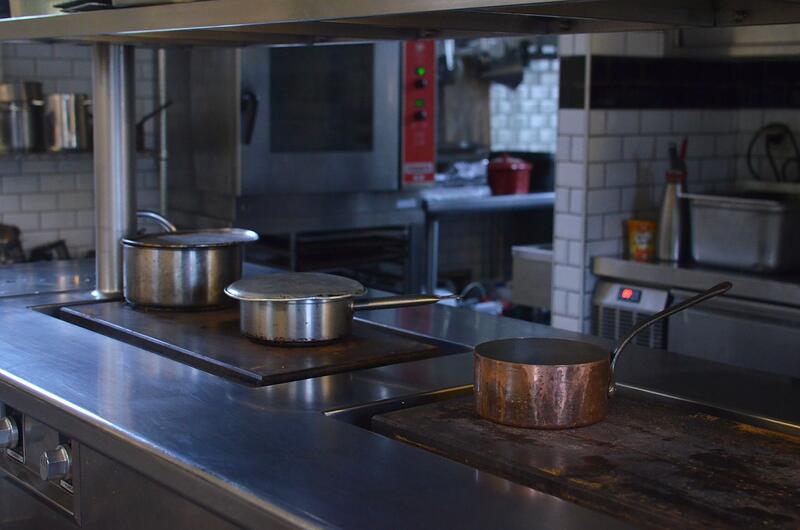
Commercial Rodent Control
Restaurants, warehouses, multifamily and retail, with documentation that survives an audit.
Learn more →The route in from the sewer line
How a rat travels a drain into a house.
Video: How do rats get out of the sewers and into your home?, from BEEKIND Pest Control.
What every service on this list has in common
The order of work and the paperwork are the same whichever of these pages you came in on.
-
Every page on this list starts at the same visit
Whichever service brought you here, the first step is the free walk of the roofline, the attic and the perimeter wall. What comes out of it is a list of openings in use, an identification of the animal from droppings and rub marks, and a read on whether the attic needs clearing. That single visit is what turns ten service pages into one quote instead of ten sales calls.
A standalone inspection runs $0 to $175 nationally, HomeGuide 2026; free here
-
Work is quoted line by line
Trapping, sealing, cleanup and insulation each carry their own line and their own published band, so the quote can be held against the figures on the page it came from. A plan that folds a recurring monitoring fee into the removal price is the pattern homeowners warn each other about most, and separating the lines is what makes that visible.
Exclusion work in Phoenix runs $200 to $600, Angi cost data
-
The license matches the service
Trapping, rodenticide work and the site-specific recommendations that come with either all sit under the Arizona Department of Agriculture Pest Management Division license. The contractor sent for a given service holds what that service requires, and the PMD is where the number gets verified. Asking for it costs nothing and tells you something either way.
Arizona Department of Agriculture, Pest Management Division licensing
Choosing the right service
Which page to read first, going by what you are dealing with.
I can hear something but I have not seen anything. Where do I start?
With the free inspection. It walks the eave, the vents, the attic and the perimeter wall, identifies the animal from droppings and rub marks, and writes down every opening found. That list is what the trapping and sealing quotes get built from, and it is the same visit whichever service turns out to be needed.
The traps are catching rats. Do I still need the sealing?
Yes, because what the traps are catching is the supply arriving through an opening nobody has closed. UF/IFAS puts the rat-proofing standard at a quarter inch, and Maricopa County Vector Control puts a roof rat's foraging range at roughly two to three hundred feet from its nest, so an open tile eave keeps drawing from well past your own lot line. The sealing is the part that puts an end date on the trapping.
The problem is out in the yard and the cars rather than inside the house. Which page is that?
Pack rat removal. A mound of sticks and cholla joints against a block wall corner, under a shrub, inside a shed or beneath a parked vehicle is a woodrat rather than a roof rat, and the damage usually shows up as chewed wiring on a car or an air conditioning unit. It is handled from the outside in, and the sealing that goes with it is about equipment pads, sheds, wall weep openings and garage edges instead of the roofline.
Does the attic insulation have to come out?
Only where it has been flattened into runs or soaked. The Department of Energy states that compressed insulation does not deliver its rated R-value and that wet insulation performs poorly, so the inspection looks for those two conditions specifically and the quote keeps cleanup and replacement as separate lines. A light scattering of droppings on otherwise intact fill is a cleanup rather than a replacement.
Can I get something in writing for an escrow file?
Yes, and that is what the clearance letter page covers. It describes a written inspection report naming the areas checked, the evidence found or absent, the openings closed and the contractor's Arizona license number, dated to the day of the visit. It is priced as the inspection plus any sealing the visit turns up, and it is the document that settles a question raised during a sale, a lease or an HOA dispute.