Rodent Removal in Glendale, AZ
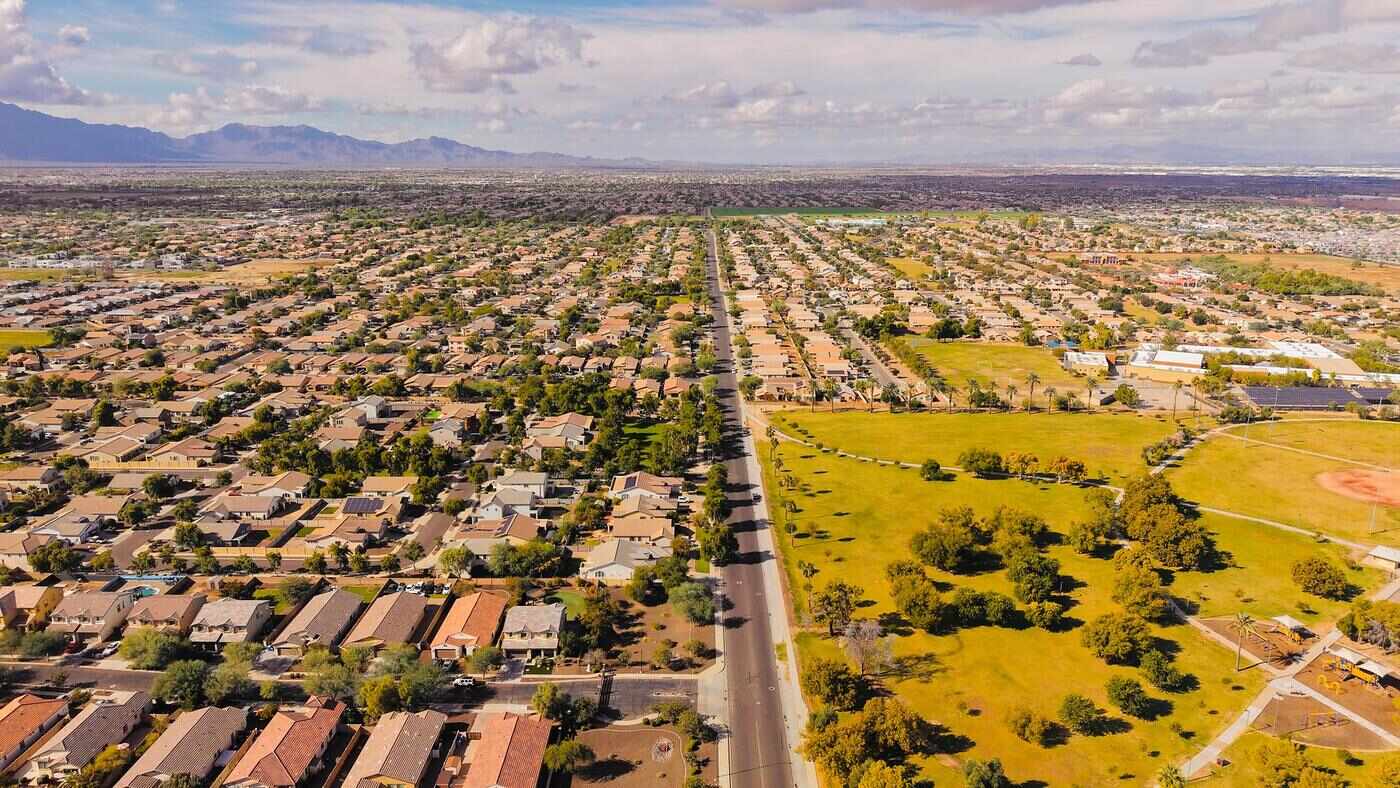
Glendale runs from a historic downtown with rear alleys and tall shade trees out to the newer Arrowhead subdivisions, and the two ends need different work. Looking costs nothing.
Free Inspection in Glendale
The free inspection in Glendale walks the eave from a ladder, checks the vents and the penetrations, reads the attic with a light for droppings and worn runs, then covers the wall line, the alley-side boundary where there is one, and the garage. The findings come back written down with trapping, sealing and any attic work priced separately.
Glendale sits in Maricopa County north-west of central Phoenix, inside the ordinary range for a west Valley contractor. Somebody picks up this line at any hour. Book a free inspection and say roughly where in the city you are, because the older central streets and the newer northern subdivisions produce quite different findings.
The older central streets, with alleys and mature canopy
Glendale was founded in the early 1890s, and the area around its historic downtown still has the character of that period: a regular grid, rear service alleys, modest houses from the early and middle twentieth century, detached garages, and street and yard trees that have had decades to reach the rooflines.
Each of those is relevant. Older vent details corrode and older soffit returns were not built against a quarter-inch standard, which UF/IFAS gives as the rat-proofing figure. A rear alley is a continuous corridor running the length of a block, with block walls, utility poles and service drops along it, and Maricopa County Vector Control puts roof rat foraging at roughly two to three hundred feet from the nest, which covers a whole run of properties from a single nest site.
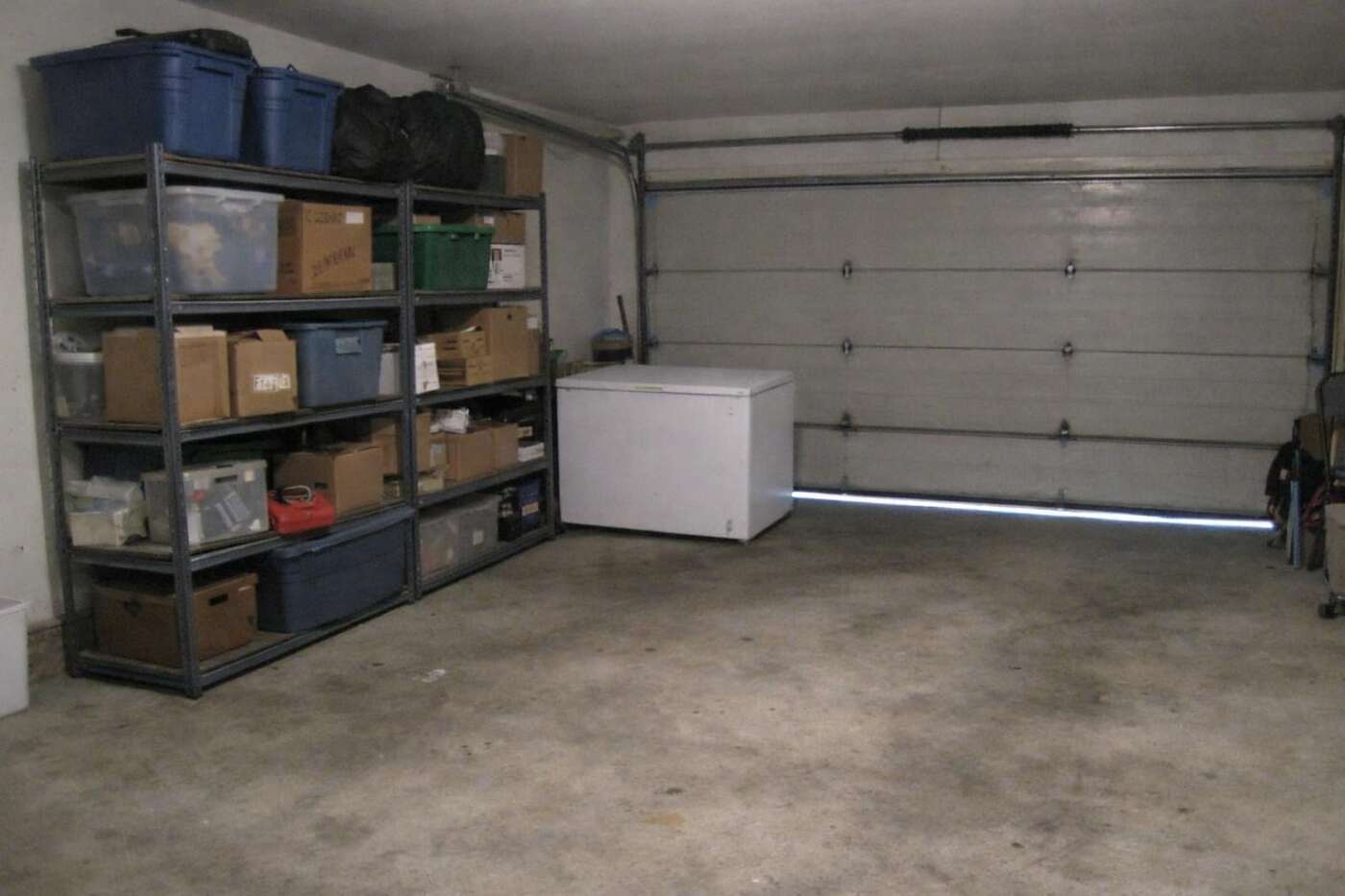
The detached garage is the other recurring item. On stock of this age a garage typically has a door that no longer meets the slab, gaps at the floor plate, an unlined roof space and thirty years of stored material in it, and quite often the garage is the job while the house needs nothing. Rodent exclusion covers the closures on both.
Arrowhead and the northern subdivisions are a tile-eave job
North and west of the older city, Glendale is 1980s to 2000s block and stucco under concrete or clay tile on gravel-landscaped lots, with block walls between them. On that stock the opening list is short and consistent, and the gap under the first course of tile heads it.
The tile ends were sealed with mortar when these houses were built, and that mortar gives out after roughly fifteen to twenty years here, which leaves a continuous opening running the length of the eave. Houses built in the 1990s are therefore well past that threshold and houses built in the mid 2000s are arriving at it. The replacement is a manufactured metal bird stop, usually 26 gauge galvanized steel or aluminum, with ventilated versions carrying weep holes so the eave keeps breathing.
After that come the gable and soffit vents, the sleeve where the air conditioning line set passes through the block, mesh at the weep screed along the base of the stucco, the garage door bottom seal, and the weep openings in the block walls. Where a lot sits toward the northern edge with open ground or a wash behind it, woodrat middens at ground level enter the picture as well.
Stadium district restaurants, retail and shared roofs
Western Glendale carries a concentration of restaurants, retail and entertainment around the sports and arena district, and commercial rodent work in a multi-tenant building is a different problem from a house. The roof deck, the parapet, the demising walls and the dumpster enclosure are usually shared, which means an animal dealt with inside one unit returns from the one next door.
For a tenant that has a specific practical consequence: some of the findings belong to the landlord rather than to you, and the instrument for dealing with that is a dated written survey with photographs rather than a phone conversation. Parapet coping joints that have opened, a dumpster enclosure gate that will not close, a dock door that no longer seals and a vacant unit nobody opens are all conditions that defeat any pest program inside a single lease line.
The other commercial point is the recurring fee. Exclusion work should be priced as its own line rather than absorbed into a monthly service, because a building defect folded into a recurring charge gets paid for indefinitely and never repaired. Commercial rodent control sets out what a usable service file contains.
What We Handle in Glendale
Glendale calls divide between older central work, with garages and alleys in play, and tile-eave closures on the newer northern stock.
- Roof rat removal: attic trapping on the active runs, left at least a week since UF/IFAS notes roof rats avoid newly placed objects.
- Rodent exclusion: metal bird stops along the tile eave, galvanized cloth at vents and soffit returns, garage door seals, mesh at the weep screed and wall weep openings.
- Mouse removal: garage, pantry and laundry trapping plus the quarter-inch openings at pipe sleeves and the garage door line.
- Rodent inspection: free, covering roof, attic, perimeter, garage and any outbuilding, written up with photographs.
- Pack rat removal: middens cleared where a lot backs onto open ground, with equipment pads skirted and wiring checked.
- Attic cleanup: droppings, nests and caches removed and the space sanitized, with the insulation measured.
- Attic insulation replacement: flattened or soiled fill removed and fresh material blown back to depth.
- Dead rodent removal: tracing a smell to the carcass, removing it and closing the route it used.
- Commercial rodent control: restaurants and retail around the stadium and arena district, strip centers and multifamily.
A Typical Glendale Job
The situation: A 1952 single-story house two streets from the historic downtown, composition roof, detached garage on the rear alley, and two large trees whose limbs reach both roofs. The owners reported a noise in the garage ceiling and droppings on a workbench, with nothing at all audible from inside the house.
What gets done: The garage is the job. The roof space above it is open at both gable ends with no screen at all, the side door clears the slab by over an inch, and stacked cardboard and a bag of grass seed sit on the floor. The house attic is read and found clean, with insulation at depth and no droppings. Traps go into the garage roof space and along the wall on the first visit. The second visit screens both gable openings in quarter-inch galvanized cloth fastened to the framing, fits a new bottom seal and threshold on the side door, and closes two floor plate gaps. The grass seed goes into a sealed bin, the cardboard is broken down, and the limbs touching both roofs are trimmed back about three feet by the owners.
How it turns out: Seven animals out of the garage across eleven days, then nothing. No work at all is quoted on the house, and the clean attic is recorded as checked so that remains documented. The record lists the two gable screens with the mesh gauge, the door seal and threshold, two floor plate closures, and the stored seed and cardboard noted as the reason the garage was attractive in the first place.
What This Costs in Glendale
Glendale jobs sit across a wide range, because a garage closure and a two-story tile eave are different pieces of work. The bands are typical-job figures settled at the free inspection.
| Work | Phoenix area (Angi) | National (HomeGuide 2026) |
|---|---|---|
| Inspection | Free here | $0 to $175 standalone |
| Trapping visit | $144 to $443, averaging about $286 | $250 to $1,200 |
| Follow-up visit | $50 to $150 | Included above |
| Sealing named openings | $200 to $600 | Part of the whole-home band |
| Whole-shell exclusion on tile | Above the Phoenix figure once the eave is long | $500 to $2,500 |
| Detached garage closure | Quoted as its own structure | No published band applies |
| Attic cleanup | Quoted from the measured area | $600 to $2,500 |
| Insulation removal and replacement | Quoted per square foot | $2.50 to $5.50 per sq ft |
A detached garage with two open gable ends and a bad door seal is one of the cheaper jobs available and frequently the whole answer on an older Glendale lot. An Arrowhead two-story with the eave open along two elevations is a footage calculation and moves toward the national band. Ask for the house and the garage priced on separate lines so you can see which building the money is for.
What is moving inside the walls
How noise in a wall cavity gets traced.
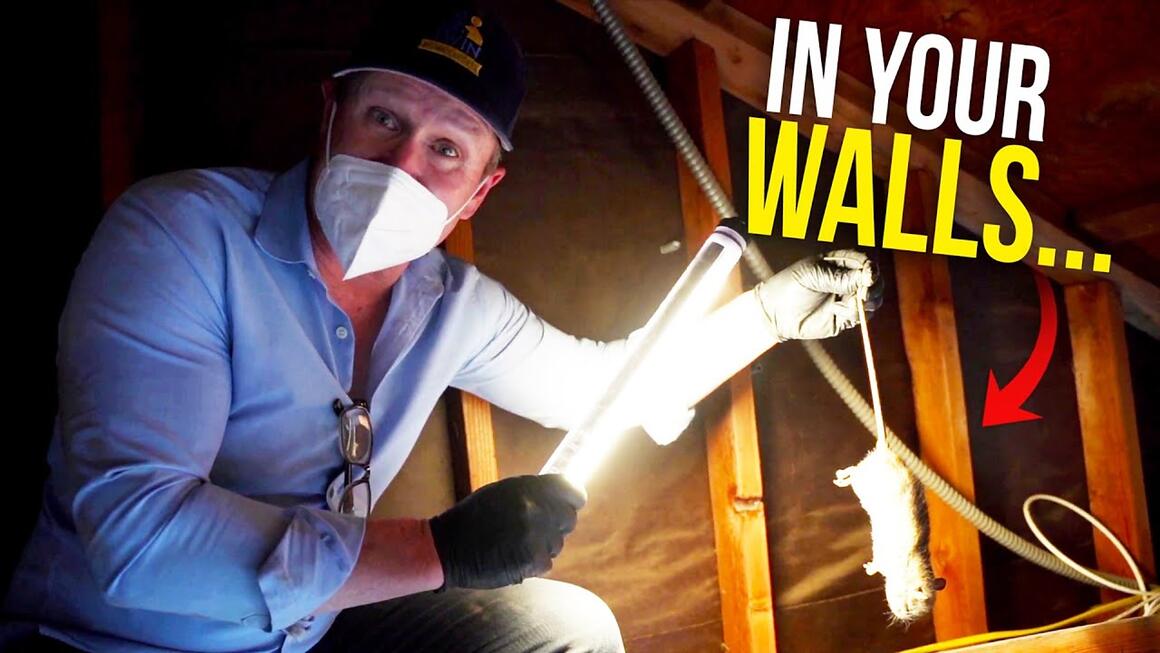
Video: Rodents in your walls? Here's what you do, from Twin Home Experts.
Common Questions in Glendale
What Glendale callers ask before booking.
The problem is in the garage. Does the house need anything?
Often not, and a report should say so explicitly. A detached garage of mid-century age typically has an unscreened roof space, a door that no longer meets the slab, gaps at the floor plate and decades of stored material inside, which between them supply access, nesting material and food. Closing and clearing it is one of the cheaper jobs available. The house attic still gets read, and if it is clean that gets written down rather than left ambiguous.
Does the alley behind us matter?
As a route, yes. An alley runs the length of a block with walls, poles and service drops along it, and Maricopa County Vector Control puts roof rat foraging at roughly two to three hundred feet from the nest, which covers a whole run of properties. Nothing you do to the alley changes that, and nothing needs to. A closed garage, closed vents and a closed eave on your own lot hold regardless of conditions two doors along.
Our Arrowhead house is not old. Why the roof?
Because the first course of tile was closed with mortar at construction and mortar bird stops crack out after roughly fifteen to twenty years of Valley sun, leaving a continuous void along the eave. A house built in the 1990s is well past that point and one built in the mid 2000s is arriving at it. The replacement is a manufactured metal bird stop profile, and bird stopping appears in Department of Energy guidance as a recommended measure for clay and concrete tile roofs.
I run a restaurant near the stadium. Is commercial work different?
Yes, in two respects. The documentation is part of the deliverable rather than a courtesy, because a health inspector or an auditor needs to read what was done, when and by whom without you in the room. And in a multi-tenant building the roof deck, the parapet and the dumpster enclosure are usually the landlord's, so those findings need to be written up with photographs and escalated rather than argued about. Insist on exclusion priced separately from any recurring fee.
Nearby Areas We Serve
The same contractors cover the west Valley towns around Glendale, and the service area takes in the whole of Maricopa County.