About Rodent Removal Phoenix
One number, picked up at any hour, that puts a Valley property owner in front of a licensed rodent contractor with a free inspection and a quote written line by line.
What the phone line is for
The number printed on every page reaches a dispatcher at any hour, and the purpose of that call is to work out what has happened at the property and get the response moving. You say what you hear, which room it is over, what time of day it happens and how long it has run. That narrows roof rat against pack rat against mouse before anybody drives out, and it decides whether the first visit is an ordinary roofline walk or something that needs a faster slot.
From there the nearest licensed contractor is lined up for the free inspection, and the inspection is really the product. The eave, the vents, the penetrations, the attic and the perimeter wall get walked and photographed, every opening is written down, and a quote comes out of that list with trapping, sealing and any attic work on separate lines.
The office is at 3101 N Central Ave in midtown Phoenix, on the Central Avenue light rail corridor. Anything written goes through the form on the contact page, and no quote is issued from a form on its own.
What to expect on the job
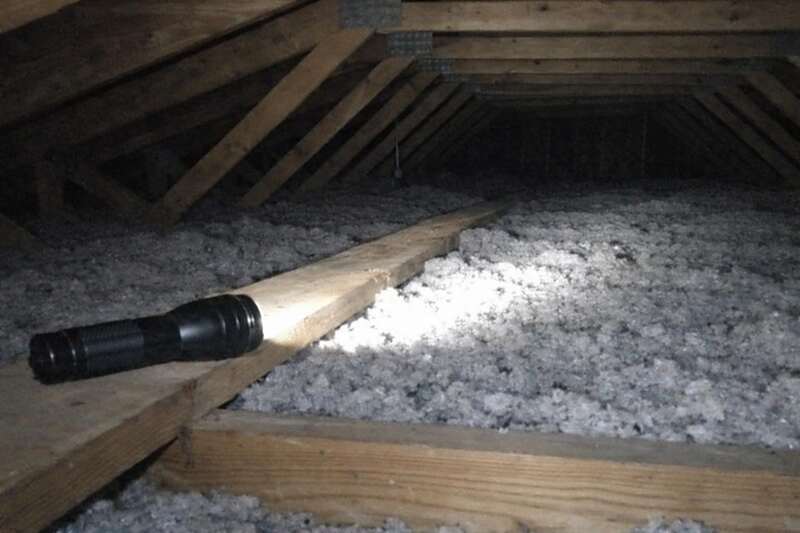
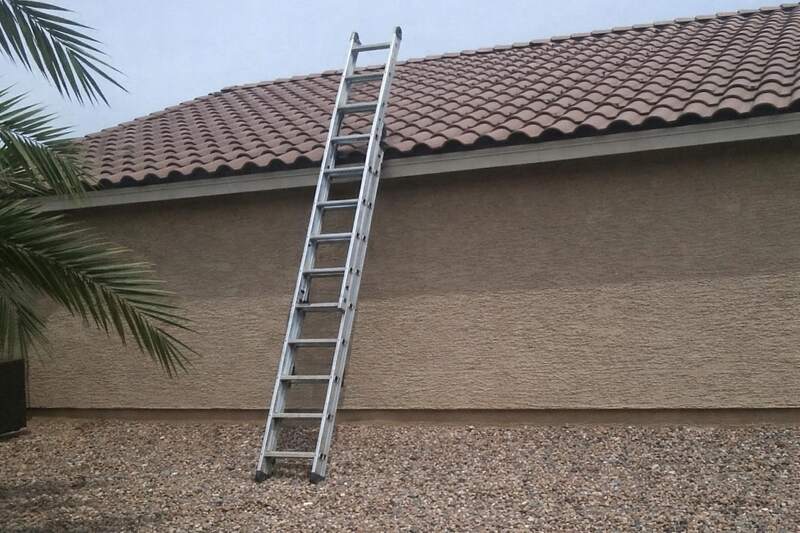
Expect a ladder at the eave before anybody opens the attic hatch, because on a Valley house the way in is above head height. The first course of barrel tile, the gable and soffit vents, the sleeves where the AC line set and conduit pass through block, the weep screed at the base of the stucco and the garage door edge get checked from outside first, and only then does the attic get read for droppings, rub marks and runs flattened into the blown-in insulation.
Expect the sealing to be explained before it is sold. Galvanized steel mesh at the quarter-inch standard, sheet metal, a manufactured bird stop along the tile eave and mortar or a metal collar at penetrations are the materials that hold in this climate. Expanding foam on its own is what a cheap number usually buys, and it gets chewed. Expect traps to stay put for at least a week, since UF/IFAS notes roof rats are wary of new objects, and expect the last openings to close only after the activity has stopped.
Expect plain talk about the calendar. HomeGuide puts trapping a small number of animals at two to three days and a severe infestation at one to two months, and the sealing is what keeps that from repeating next November. Expect a respirator and a suit if droppings are being cleared, which is ordinary contamination practice: Maricopa County has tested Valley roof rats and come back negative for tularemia, hantavirus and plague, and the protective gear is about dust and mess rather than about a local disease risk.
The license to check before work starts
Structural pest control in Arizona is licensed by the Arizona Department of Agriculture, Pest Management Division, formerly the Office of Pest Management, and roof rat and pack rat control sits inside it. The license trigger is broad: it covers applying product, and it also covers making site-specific recommendations and offering to perform pest control work. Every contractor routed from here carries a PMD license, and nothing written on these pages is a treatment recommendation for your particular house, because that is the licensed contractor's call to make on site.
Arizona Game and Fish sits alongside that rather than on top of it. A PMD licensee may remove nuisance rodent species without holding a separate wildlife service license, which is why one contractor can handle a roof rat in an attic and a pack rat in a shed on the same visit.
Ask whoever attends for the business license number, verify it with the PMD before work starts, and ask for proof of insurance at the same time. Checking a license is sound advice from any source, and a contractor who hesitates over the question has told you something useful. Three more worth asking, taken from what Valley homeowners tell each other: what is included and what is a separate line item, how many follow-up visits sit inside the price, and what the terms are if the animals come back after the sealing.
Where contractors get dispatched
Phoenix and the rest of Maricopa County, plus Queen Creek where it runs across into Pinal. The central irrigated districts produce the roof rat calls: Arcadia, Willo, Coronado and the Biltmore belt. The desert-edge areas produce the pack rat calls: Ahwatukee, Desert Ridge and the north Valley generally.
Outside the city limits the same contractors cover Scottsdale, Tempe, Mesa, Chandler, Gilbert, Glendale, Peoria and the rest of the towns listed under locations. Restaurants, warehouses, retail strips and multifamily buildings anywhere in the county are covered under commercial rodent control.
What the call gets you
Three things are true of every job that starts with this number.
-
A dispatcher first, then a licensed contractor
The number is answered at any hour by somebody whose job is to work out what has happened at the property and line up the nearest licensed contractor for it. You come away with a name, a window for the free inspection, and after that visit a written quote with each piece of work separated. Nothing gets priced over the phone.
Somebody answers this line at any hour of the day
-
In the Valley the job is the roofline and the wall
Valley houses are slab-on-grade with blown-in insulation over a drywall ceiling, so there is no basement and almost never a crawl space to search. That puts the work at the tile eave, the gable and soffit vents, the conduit and line-set penetrations, the weep screed at the bottom of the stucco and the block wall, and that is the order a roofline walk follows.
A quarter inch is the rat-proofing standard, UF/IFAS Extension
-
Plain figures, stated before the visit
Angi's Phoenix page and HomeGuide's 2026 national guides are printed on the service pages as typical-job bands, and the inspection settles them. Somebody who knows a Phoenix trapping visit commonly runs $144 to $443 and that a whole-shell sealing quote on a long tile eave climbs toward the top of the $500 to $2,500 national band can ask a sensible question about any number outside those ranges.
HomeGuide 2026 national: full-home exclusion $500 to $2,500
What happens after you call
Five steps, the same on every job, with the sealing sitting in the middle rather than tacked on at the end.
-
Describe it on the phone
Which room the noise is over, what hour it happens, how many nights it has run, and anything you have seen or found. That narrows the animal to roof rat, pack rat or mouse before anybody drives out.
-
The free inspection
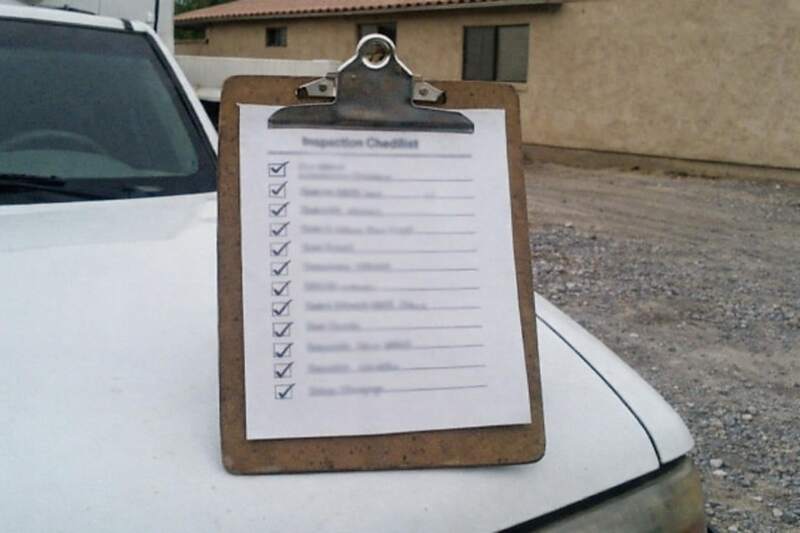
The eave, the vents, the penetrations, the attic and the perimeter wall are walked and photographed, every opening is written down, and a quote is drawn up from that list.
-
Close what is not in use
Metal closures go on first at the openings with no traffic, which shrinks the building down to the few runs the animals are using.
-
Trap what is still inside
Snap traps go on the active runs and stay at least a week, because UF/IFAS notes roof rats are wary of anything new in their path. They are checked and reset rather than left.
-
Close the last runs, then restore
Once the attic has gone quiet the remaining openings are closed, and the droppings, nests and fouled insulation are dealt with where the attic calls for it.
What to expect
The visit follows a fixed order, which is what stops the sealing being skipped when a house is chaotic.
- A call back to confirm the address and what you are hearing
- A ladder at the eave and a light in the attic before anything is priced
- A written quote with trapping, sealing and attic work on separate lines
- Traps checked on a schedule and openings closed in sequence
- A walk of the roofline with you before the job is signed off