Rodent Removal in Queen Creek, AZ
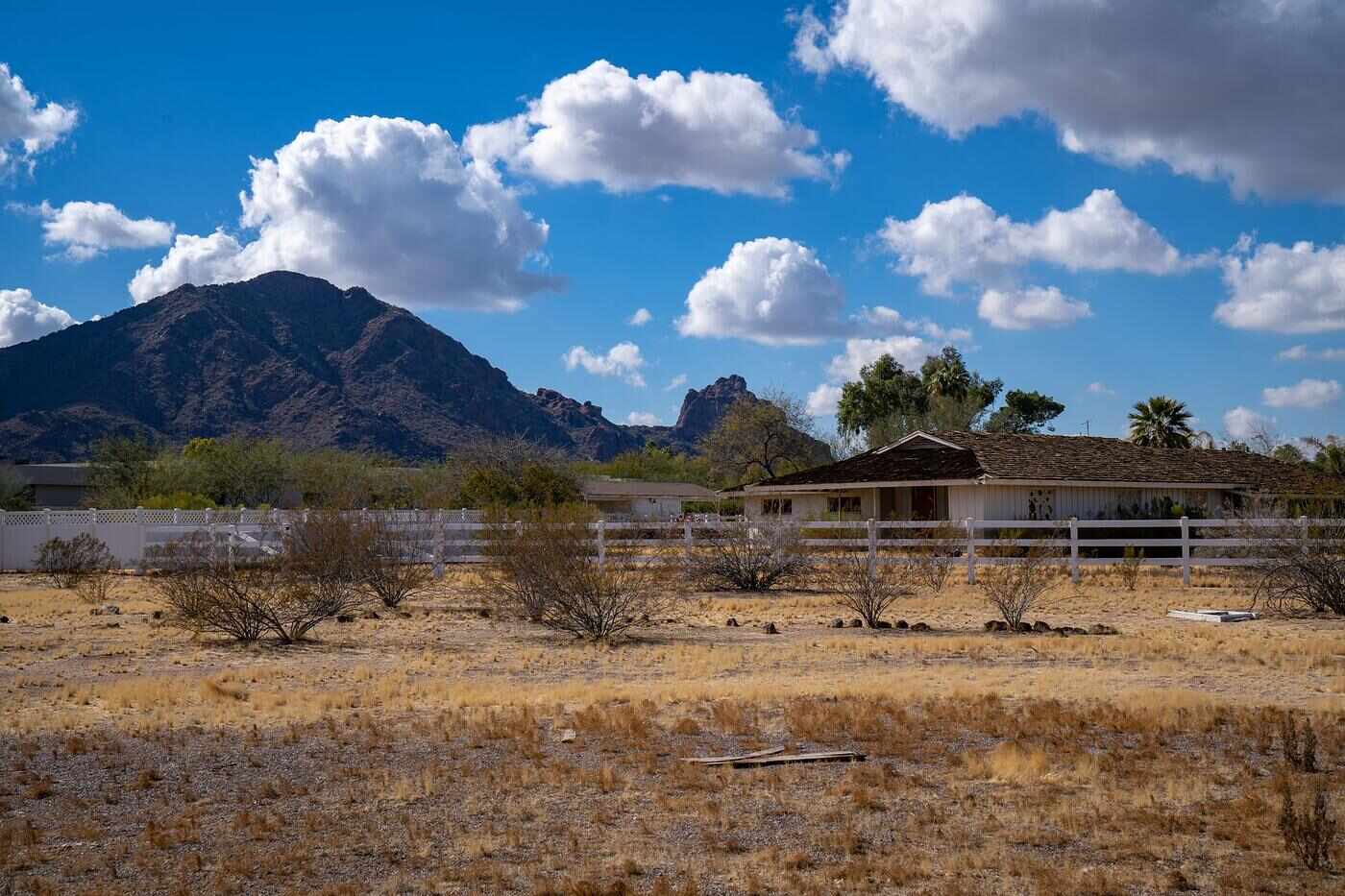
Queen Creek still has working farmland, horse properties and acre lots alongside its new subdivisions, and on a property like that the outbuilding is usually the job. The inspection is free.
Free Inspection in Queen Creek
A free inspection in Queen Creek covers the house roofline and attic and then every outbuilding on the property, because on a larger lot the barn, workshop, tack room or feed store is frequently where the problem lives. Whoever attends works the eave from a ladder, reads the attic with a light, then covers the wall line, the equipment pads, the stored feed and any structure with a roof on it. The written findings price each building separately.
Queen Creek straddles the Maricopa and Pinal county line, which is worth mentioning when you call so the dispatcher routes a contractor covering the right side of it. The line is answered at any hour. Book a free inspection and say what outbuildings are on the property, since that determines how long the visit takes.
The barn, the tack room and the feed store come first
On an acre lot with animals on it, the rodent problem is usually in the outbuilding rather than the house, and an inspection that opens the attic hatch first has started in the wrong place. A barn, a workshop, a tack room or a feed store offers a roof space nobody enters, a door that rarely meets the ground cleanly, and food in bags.
Stored feed is the single biggest factor. Grain, pellets, bagged supplement, birdseed and bedding are a food and nesting supply on a scale a kitchen pantry never approaches, and they are usually kept in exactly the structure with the loosest construction on the property. Moving feed into hard sealed containers and getting bedding up off the floor removes more of the problem than any product on the market, and it costs nothing.
The closures out there are ordinary rather than specialist: a proper bottom seal and threshold on a door that has been clearing the slab by an inch, quarter-inch galvanized cloth at floor plate gaps and open roof space, sheet metal over chewed timber at a jamb, and mesh at any vent. None of it is exotic and all of it holds, which is the opposite of the usual arrangement in this trade.
Farmland on one side, San Tan desert on the other
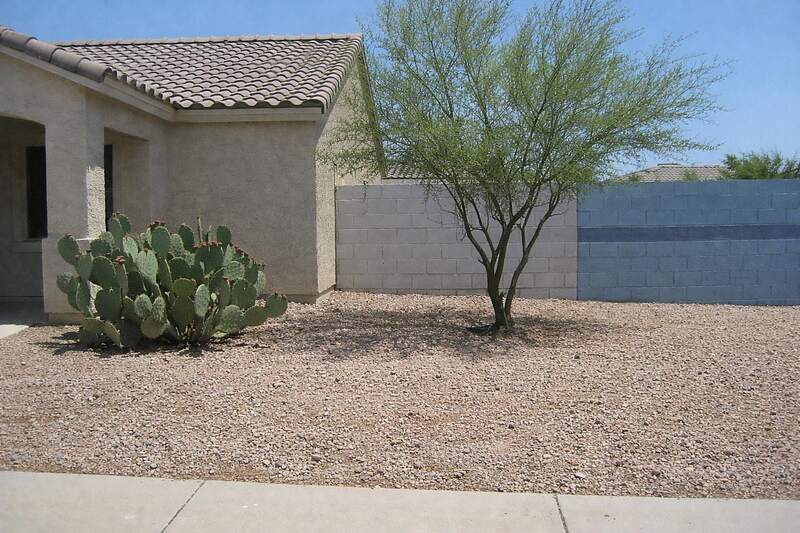
Queen Creek sits where cultivated land meets open desert, and the two produce different animals on adjacent properties. Working fields, pasture and irrigated ground support rodents that live at ground level and use outbuildings, while the desert rising toward the San Tan Mountains is native woodrat habitat.
The University of Arizona Cooperative Extension names three woodrat species found in central Arizona, the white-throated woodrat, the Mexican woodrat and Stephens woodrat, and describes the nest, a midden, as a mound of vegetation and sticks built at the base of a prickly pear or a palo verde with several entrances and shallow tunnels. On a Queen Creek property that structure turns up against a block wall corner, under a mesquite, inside a shed, beneath an equipment pad, under a trailer or inside a piece of parked farm equipment.
Roof rats are present too, and on the newer subdivision stock with tile roofs they behave exactly as they do anywhere in the Valley, entering at the gap under the first course of tile. A property with both a house and outbuildings may well have one of each animal, which is why the report keeps them as separate line items. Pack rat removal and roof rat removal describe the two halves.
Parked equipment and vehicle wiring
A rural property generally has machinery standing still for long stretches, and that is expensive here. The University of Arizona Cooperative Extension notes woodrats gnaw the vinyl and plastic shielding on electrical wire and are notorious for chewing the wiring of cars and appliances, and a tractor, a trailer, a utility vehicle, a second car or a stock trailer parked on gravel for a season is exactly the target.
The same applies to fixed equipment: air conditioning condensers, well and pump controls, irrigation valve boxes, gate operators and landscape lighting transformers. All of them are enclosed, warm, wired and opened perhaps twice a year, and a chewed low-voltage run inside one is a small repair found early and an awkward one found when something stops working in July.
So a walk here opens cabinets and looks into engine bays rather than describing the yard from the driveway. Wiring repairs belong to an electrician, a mechanic or an air conditioning contractor; the rodent contractor's job is to find it, record it with a date, clear the nest and close the access.
What We Handle in Queen Creek
Queen Creek work splits between outbuilding closures and clear-outs on the rural properties and ordinary tile-eave work on the subdivision stock.
- Pack rat removal: middens cleared from wall corners, shrub beds, sheds, equipment pads and under parked machinery, with wiring checked.
- Rodent exclusion: outbuilding door seals, floor plate and roof space closures, plus metal bird stops along the tile eave on the house.
- Mouse removal: feed store, tack room, garage and pantry trapping plus the quarter-inch openings they use.
- Roof rat removal: attic trapping on the active runs, left at least a week because UF/IFAS notes roof rats avoid newly placed objects.
- Rodent inspection: free, and on a property like this it covers every structure rather than only the house.
- Attic cleanup: droppings, nests and feed caches removed and the space sanitized.
- Attic insulation replacement: measured and priced per square foot where the fill has been flattened or soiled.
- Dead rodent removal: tracing a smell to the carcass and closing the opening behind it.
- Commercial rodent control: agricultural buildings, equipment yards, feed and supply businesses and the retail along Ellsworth and Rittenhouse.
A Typical Queen Creek Job
The situation: A one-acre horse property south-east of the town center, a 2006 house with a tile roof, a metal barn with a tack room and feed storage, and a stock trailer parked beside the barn most of the year. The owners had noticed droppings in the tack room for months and treated it as inevitable on a horse property. What prompted the call was a chewed wiring harness on the trailer found during a pre-trip check.
What gets done: The barn is the center of it. Two bags of pellets are open on the floor, the tack room door clears the slab by about an inch and a half, and a midden is built into the gap under the nearest equipment pad with a second one under a mesquite by the arena fence. The trailer has a nest under it and the chewed harness above. Both middens are cleared, the nest under the trailer is removed, and traps go along the barn wall and in the tack room. On the second visit the tack room door gets a new bottom seal and threshold, two floor plate gaps are closed in galvanized cloth, the equipment pad is skirted, and the feed goes into sealed bins. The house attic is read and found clean, which is recorded. The tile eave is walked and the first-course closures are intact except for about six feet near a valley, which is closed.
How it turns out: Nine animals out of the barn trap line across two weeks and nothing from the house. The harness repair is handled by the owners' mechanic. The record lists both middens, the trailer nest with a dated photograph of the harness, the tack room door and threshold, two floor plate closures, the pad skirt, six feet of bird stop and the feed bins. The tack room stays clear through the following winter.
What This Costs in Queen Creek
On a rural Queen Creek property the quote is driven by the number of structures and the number of nest sites rather than by the size of the house. The bands below are typical-job figures confirmed at the free inspection.
| Work | Phoenix area (Angi) | National (HomeGuide 2026) |
|---|---|---|
| Inspection of the whole property | Free here | $0 to $175 standalone |
| Trapping visit | $144 to $443, averaging about $286 | $250 to $1,200 |
| Follow-up visits | $50 to $150 each | Included above |
| Sealing named openings on one structure | $200 to $600 | Part of the whole-home band |
| Whole-shell exclusion, house | Above the Phoenix figure on a long tile eave | $500 to $2,500 |
| Outbuilding closure and clear-out | Quoted per structure | No published band applies |
| Midden clearance | Quoted per site | Cleanup band $600 to $2,500 where it extends indoors |
| Attic cleanup and insulation | Quoted from the measured area | $600 to $2,500; $2.50 to $5.50 per sq ft |
Two things to ask for here. Each structure on its own line, so a clean house attic is not carried by a barn quote, and the nest sites counted rather than described. A property with one midden and a single door to seal is a small job; four middens, a barn, a workshop and two trailers is several visits and should be priced as such.
Materials that keep rodents out
A comparison of what actually holds at a gap.
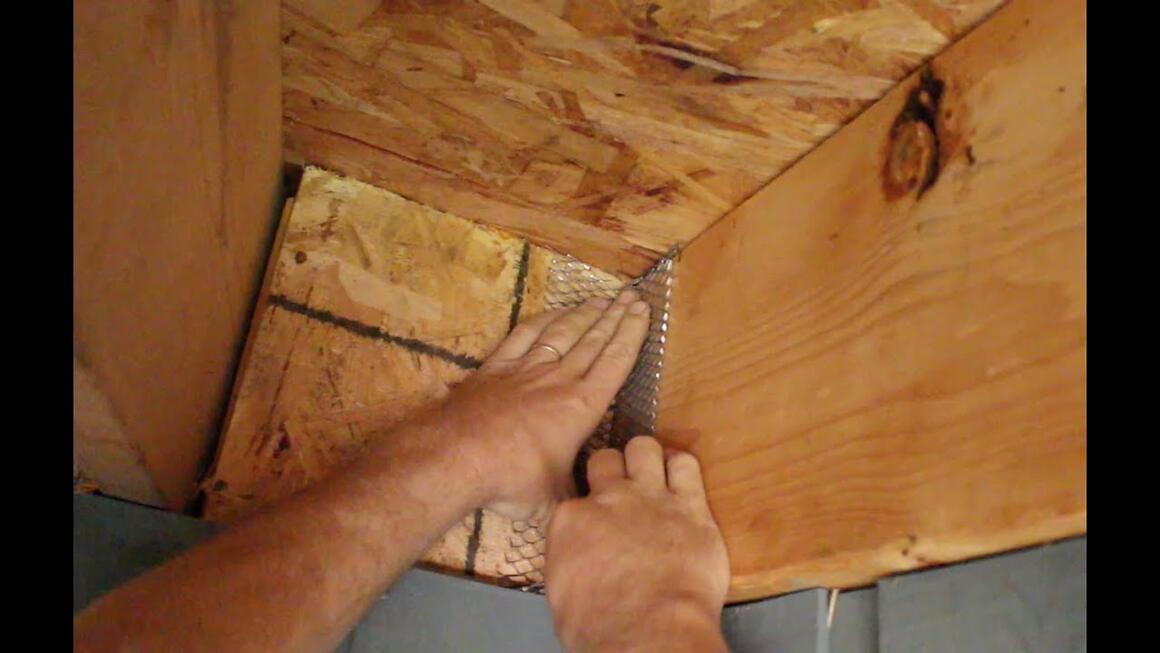
Video: How to keep mice out. Cheaper than hardware cloth, from Ontario Lakeside.
Common Questions in Queen Creek
What Queen Creek callers ask before booking.
Is this just part of having a horse property?
Rodents arriving is part of it; rodents nesting in the feed store is not. The difference is almost entirely storage and closures. Feed and bedding in hard sealed containers rather than open bags, material lifted off the floor, a tack room door that meets the slab properly, and mesh at the floor plate gaps and roof space together remove the food, the nesting material and the access. The University of Arizona Cooperative Extension identifies exclusion and barriers as the most effective management where woodrats are entering structures.
We are on the Pinal side. Is that still covered?
Yes. Queen Creek straddles the Maricopa and Pinal county line, and the service area covers both sides of it, so mention the address when you call and the dispatcher routes a contractor who works that side. The licensing is the same either way: structural pest control anywhere in Arizona requires a license from the Arizona Department of Agriculture, Pest Management Division, which is a state license rather than a county one.
Something chewed the wiring on my trailer. Is that the same animal?
Almost certainly a woodrat. The University of Arizona Cooperative Extension notes woodrats gnaw the vinyl and plastic shielding on electrical wires and are notorious for chewing the wiring of cars and appliances, and a trailer or a piece of machinery standing on gravel for a season is shelter with a warm enclosed space in it. The repair belongs to a mechanic or an electrician. What a rodent contractor does is clear the nest, trap the run and close the access so it does not happen a second time.
Does the house get inspected too, or just the barn?
Both, and the report should say what each one found. On a property like this the house attic is frequently clean while the barn is the whole problem, and recording the clean attic explicitly is what stops anybody quoting work on it. The house eave still gets walked, because a tile roof at subdivision age has the same first-course question as any other Valley house, and six feet of open eave is worth knowing about before it becomes sixty.
Nearby Areas We Serve
The same contractors cover the towns around Queen Creek on both sides of the county line, and the wider service area is the Valley.