Rodent Removal in the Biltmore Area
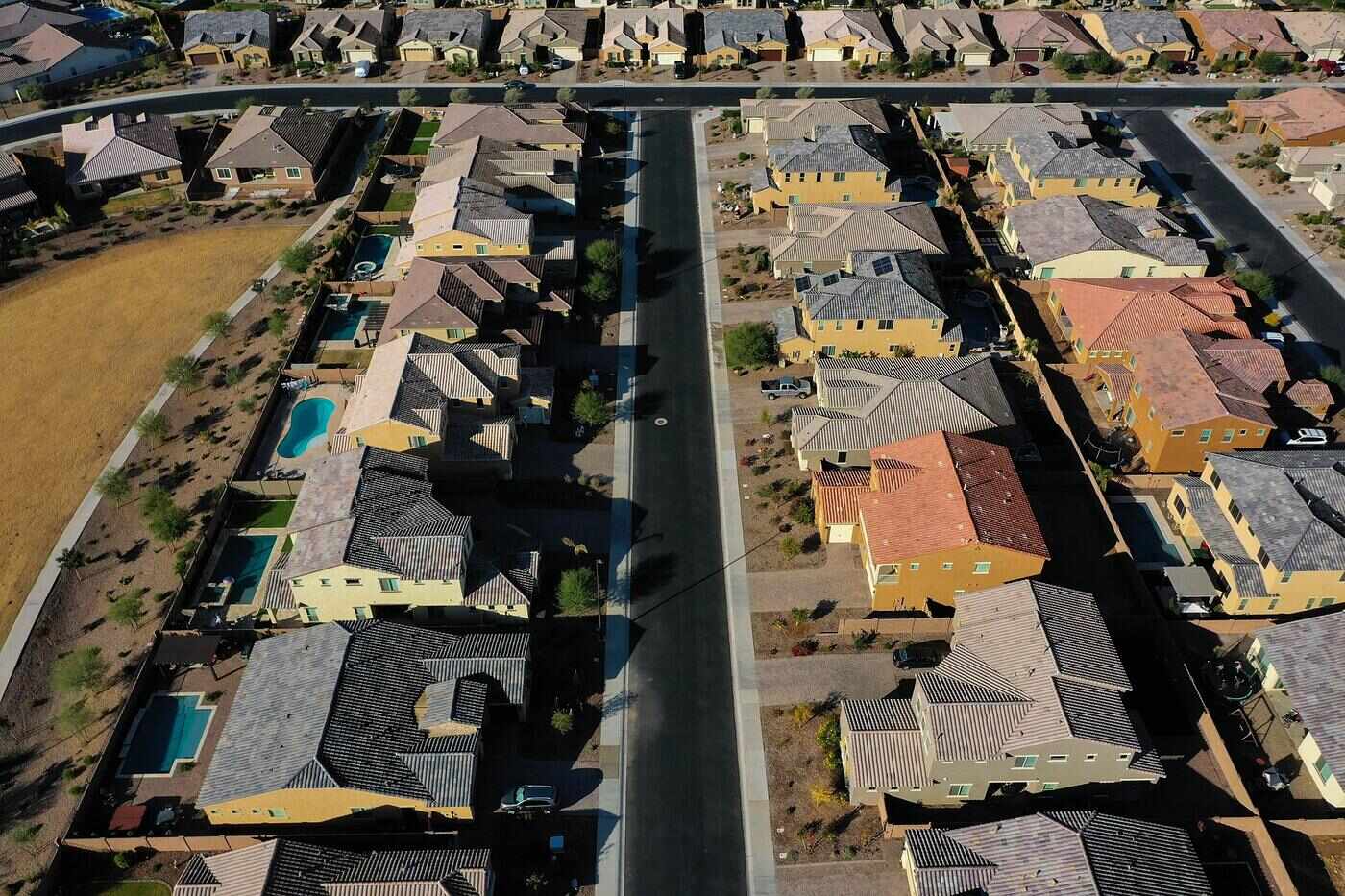
Biltmore and North Central houses are block and stucco under concrete tile, which puts almost the whole rodent question at the first course of that tile. The inspection that answers it is free.
Concrete tile, and the one opening that explains most calls
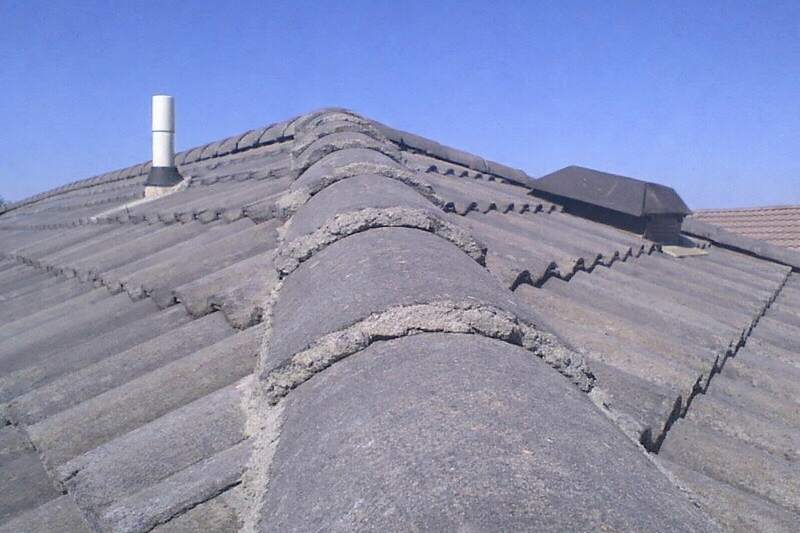
The Biltmore belt, North Central and the streets running up toward the Paradise Valley border are dominated by 1960s to 1990s block and stucco houses under concrete tile, and on that stock the gap under the first course of tile is the way in more often than everything else combined. What closed the tile ends originally was mortar packed in at construction, and fifteen to twenty years of sun and thermal movement break it up and drop it out.
That timeline is why houses here with beautifully kept grounds and nothing growing near the walls still take rats every cool season. The opening is not a maintenance failure anybody can see from the ground; it is a continuous void along the length of the eave, opened by age, in a part of the roof nobody looks at.
The replacement is a named component rather than a patch. A bird stop, also called an eave closure, is a code-approved metal profile, usually 26 gauge galvanized steel or aluminum, and ventilated versions carry weep holes so the eave keeps breathing. Federal guidance from the Department of Energy names bird stopping among the measures it recommends for tile roofing. Rodent exclusion sets out how it gets specified and measured.
Low vegetation does not mean a closed house
A great many Biltmore area lots have nothing tall within reach of the roof, and the owners understandably conclude that rodents cannot be the explanation for a noise overhead. The conclusion is wrong, and the reason is worth understanding before a contractor arrives.
Maricopa County Vector Control reports roof rats travel power lines as well as tree limbs and forage within roughly two to three hundred feet of the nest. A utility run crossing a lot line, a block wall leading to a corner of the house, a parapet on a neighboring structure and a single palm two properties away are each a route. The animal does not need the vegetation to be on your lot.
So on these streets the diagnostic weight sits almost entirely on the shell rather than the landscaping. An inspection walks the eave runs, the gable and soffit vents, the line set and conduit sleeves, the weep screed and the garage edge, and the answer is usually at the first course of tile. That is also why a Biltmore quote is often higher than a homeowner expects on a house with an immaculate yard: the work is measured in feet of eave rather than in obvious defects.
A reroof is the most common reason a closed house opens again
Lifting and relaying concrete tile opens the first course, and a roofer who is not thinking about rodents will bed it back with no closure fitted. On stock of this age most houses have been reroofed at least once, and a reroof is the single event most likely to turn a sealed eave back into an open one.
The same logic applies to other trades. A new air conditioning installation cuts a fresh sleeve through the block for the line set. Solar work adds penetrations and mounting feet. A wall cap reset or a repainted exterior can leave weep screed mesh removed and not replaced. Each of those is a new opening on a house that had been closed.
The cheap defense is paperwork. A closure list naming each point and the material used, kept with the house papers and handed to the next roofer or mechanical contractor, costs nothing and prevents the most expensive repeat in this trade. It is also the document a buyer's inspector reads, which matters in a part of Phoenix where houses are inspected closely.
Roof rats here, pack rats on the upper streets
The Biltmore belt sits between two different rodent situations, and which one a house has depends largely on how far up toward the preserve edge it is. The lower streets behave like central Phoenix: roof rats in the attic, arriving along wires and walls, entering at the tile eave. The streets climbing toward the mountain and the Paradise Valley border start to behave like the desert edge, with woodrat middens appearing in gravel beds, against block wall corners and beside equipment pads.
The University of Arizona Cooperative Extension describes the woodrat nest as a mound of vegetation and sticks built at the base of a cactus or a palo verde, with several entrances and shallow tunnels, and notes that woodrats gnaw the vinyl and plastic shielding on electrical wire and are notorious for chewing the wiring of cars and appliances. On a lot with a pool, a condenser, landscape lighting and irrigation controllers, that is a real maintenance exposure.
An inspection on these streets therefore covers both, because the same household sometimes has one of each and a report addressing only the attic leaves the obvious question open. Pack rat removal covers the outdoor half of the work.
A representative Biltmore eave closure
The characteristic closure on this stock is the first course of concrete tile, fitted with a manufactured metal bird stop along the measured length of the eave rather than plugged at the corners a ladder happens to reach. Ventilated profiles keep the eave airflow, which on a Valley attic in July is not optional.
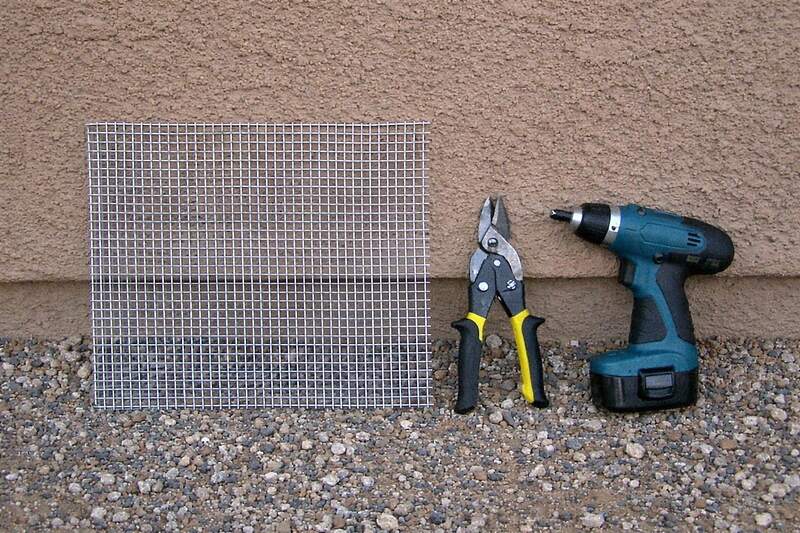
The rest of a typical list runs to four or five items: quarter-inch galvanized cloth at the gable and soffit vents, a metal collar with mortar at the air conditioning line set, mesh at the weep screed along the base of the stucco, and a new bottom seal and threshold at the garage door. Where a lot sits on the upper streets, mesh skirts at the equipment pads and screens in the block wall weep openings go on the same list.
The image is representative rather than a particular job. The document that comes with it is the point: each closure named, the material beside it, and the eave length recorded so it can be checked.
The route in from the sewer line
How a rat travels a drain into a house.

Video: How do rats get out of the sewers and into your home?, from BEEKIND Pest Control.
Why Biltmore area homeowners book through us
Three things decide a job on block and stucco under concrete tile.
-
The eave is measured and priced in feet
On this stock the first course of tile is the opening, and a closure fitted along ten feet of a forty-foot eave has left the house open. Work routed from here states the eave length in the quote, which is also what makes two bids comparable. Angi puts named-opening exclusion work in Phoenix at $200 to $600 while a whole shell reaches into HomeGuide's $500 to $2,500 national band, and footage accounts for most of the distance between them.
Angi, Phoenix: exclusion work $200 to $600; HomeGuide national whole-home $500 to $2,500
-
A bare yard is not taken as evidence
Houses here often have nothing tall near the walls, and owners reasonably conclude rodents are impossible. Maricopa County Vector Control reports roof rats travel power lines as well as limbs and forage within roughly two to three hundred feet of the nest, so a utility run, a block wall or a palm two lots over is route enough. The diagnostic weight goes on the shell, which is why the ladder comes out before any conclusion is offered.
Roof rats travel power lines and tree limbs, Maricopa County Vector Control
-
The closure list is written to survive the next roofer
A reroof reopens the first course, and a new air conditioning install cuts a fresh sleeve through block, which makes this the neighborhood where documentation earns its keep. The list naming each closure point and the material used is meant to be kept with the house papers and handed to the next trade on the property, and it is the same document a buyer's inspector reads later.
Bird stopping is recommended for clay and concrete tile roofs, US Department of Energy
A common Biltmore area call
The situation: A 1978 single-story block and stucco house off 32nd Street with concrete tile, a gravel and granite front, a reroof completed about four years ago and nothing growing within twenty feet of the building. Movement across the ceiling of the family room most evenings through January, and owners who had called an electrician first because they assumed it was something in the ductwork.
What gets done: The ladder walk finds the first-course closures absent along the entire rear and one side eave, about sixty-two feet in total, which fits the reroof date rather than the age of the house. One gable vent has its screen intact and the other does not. Droppings along the top plate above the family room measure a quarter to half an inch with pointed ends. The open gable vent is screened in galvanized cloth and traps go on the single run on the first visit. The sixty-two feet of eave takes two visits, fitted with a ventilated metal bird stop. The owners are shown the utility drop crossing the rear wall, which is the route, and told plainly that nothing needs cutting down because there is nothing to cut.
How it turns out: Four animals over twelve days, then a quiet week and a final check with nothing fresh. Insulation along the one run is scuffed and dry, so it is cleaned and topped back rather than replaced. The closure sheet records sixty-three feet of bird stop, the screened vent with the mesh gauge, the insulation depth, and a line recommending the sheet be handed to the roofer next time the tile comes off.
Biltmore area questions
What callers from the central corridor ask first.
There are no trees near my house. How are they getting on the roof?
Wires and walls. Maricopa County Vector Control reports roof rats travel power lines as well as tree limbs and spend about ninety percent of their lives four feet or more above the ground, and puts their foraging range at roughly two to three hundred feet from the nest. A utility drop crossing the lot line, a block wall running to a corner of the house, or a single palm two properties away is enough. A bare yard is good news for other reasons and tells you nothing about the eave.
We reroofed recently. Could that be it?
Frequently, and it is the first thing worth mentioning. Lifting and relaying concrete tile opens the first course, and a roofer who is not thinking about rodents beds it back without fitting a closure, which leaves a continuous opening along the eave on a house that looks immaculate. The same applies to a new air conditioning install cutting a fresh line set sleeve through the block, or solar work adding penetrations. The walk establishes whether that is what happened.
Why is the quote based on eave length?
Because a bird stop is fitted along a run rather than at a point. On block and stucco under concrete tile the first course is the opening, so the work is measured in feet, and a closure fitted across ten feet of a forty-foot eave has left three quarters of the house available. Angi puts named-opening exclusion work in Phoenix at $200 to $600 and HomeGuide puts a whole-shell closure at $500 to $2,500 nationally, and footage is most of the gap. Ask any quote how many feet it includes.
We are further up toward the preserve. Does that change anything?
It adds the second animal. The upper streets toward the mountain and the Paradise Valley border start to behave like the desert edge, and woodrat middens appear in gravel beds, against block wall corners and beneath equipment pads. The University of Arizona Cooperative Extension notes woodrats are notorious for chewing the wiring of cars and appliances, which on a lot with a pool, a condenser and landscape lighting is a genuine exposure. An inspection up there covers the yard and the equipment as well as the roof.