Rodent Removal in Chandler, AZ
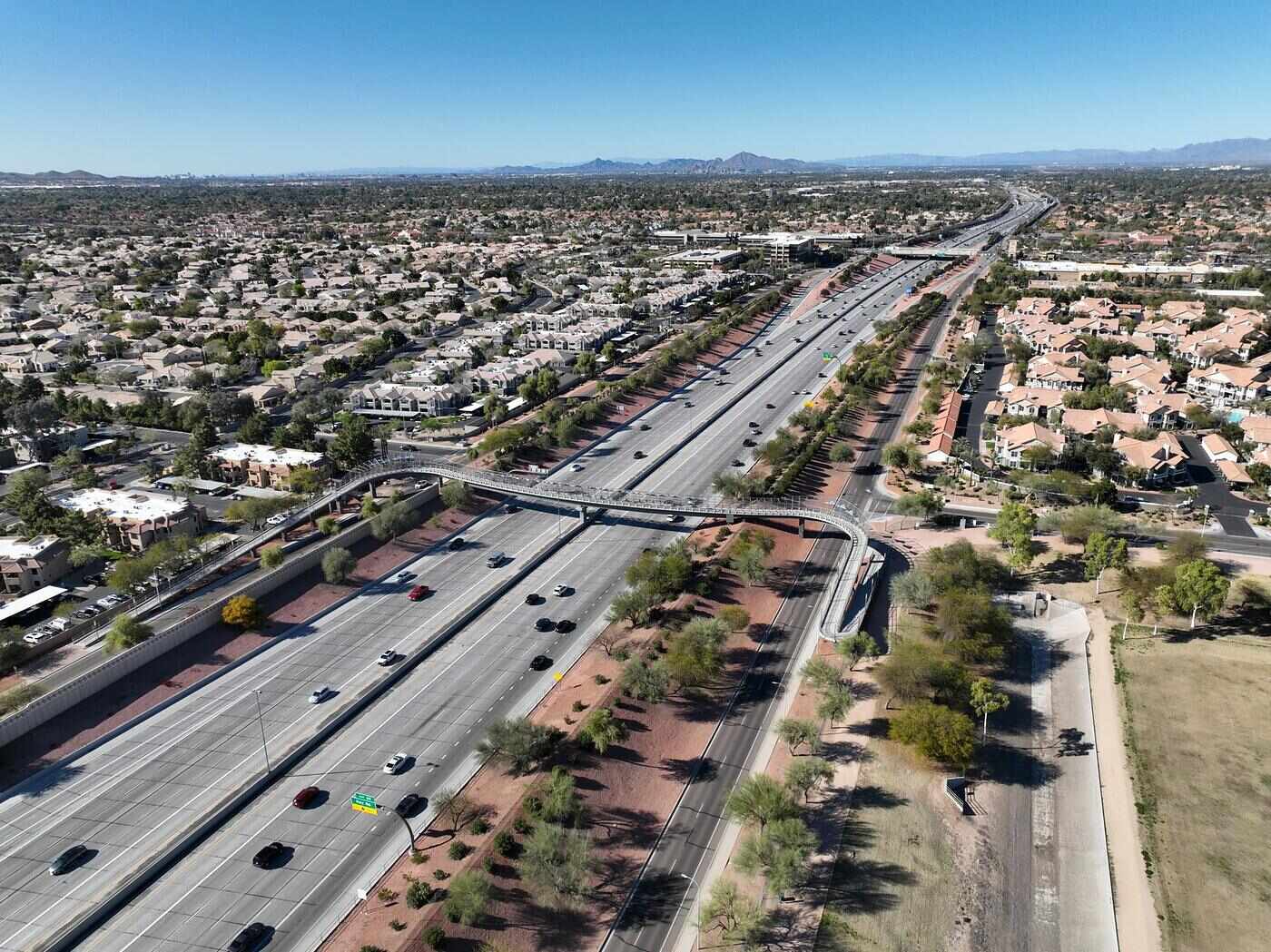
Chandler is mostly subdivision built over farmland, which leaves tile roofs, block walls and a network of canals and remaining fields around the edges. The inspection is free.
Free Inspection in Chandler
The free inspection in Chandler walks the eave, the vents, the penetrations, the attic and the perimeter wall, and on this city's housing stock the first course of tile is usually where the answer sits. Whoever attends works each eave run from a ladder, reads the attic with a light for droppings and worn runs, then covers the wall line, the equipment pads and the garage door edge. Findings come back with trapping, sealing and any attic work priced on separate lines.
Chandler sits in Maricopa County between Tempe, Mesa and Gilbert, well inside the ordinary range for an east Valley contractor. This number is answered at any hour. Book a free inspection and mention what is on the far side of your back wall, because a canal or a remaining field changes what the walk looks for.
Built over farmland, with the canals still running
Chandler was founded in 1912 and spent most of the twentieth century as an agricultural town, cotton and alfalfa in particular, before the subdivisions arrived. A great deal of the present city is therefore 1980s to 2010s block and stucco on former fields, and the irrigation infrastructure that served the farming is still in place and still running.
Canals, laterals and landscaped water corridors are continuous habitat threading between neighborhoods: cover along the banks, vegetation, and water available on a schedule in a place where that is otherwise scarce. Remaining fields and converting parcels around the southern and eastern edges add the same thing in a different form. A lot backing onto any of that has a permanent supply of animals arriving from outside it, which is a reason to close the house rather than a reason to despair.
Maricopa County Vector Control puts roof rat foraging at roughly two to three hundred feet from the nest and reports the animal travels power lines and tree limbs, so a canal bank two hundred feet away is comfortably inside range. What changes the outcome on an individual lot is the shell rather than the corridor.
Tile eaves and block walls are the two things to close
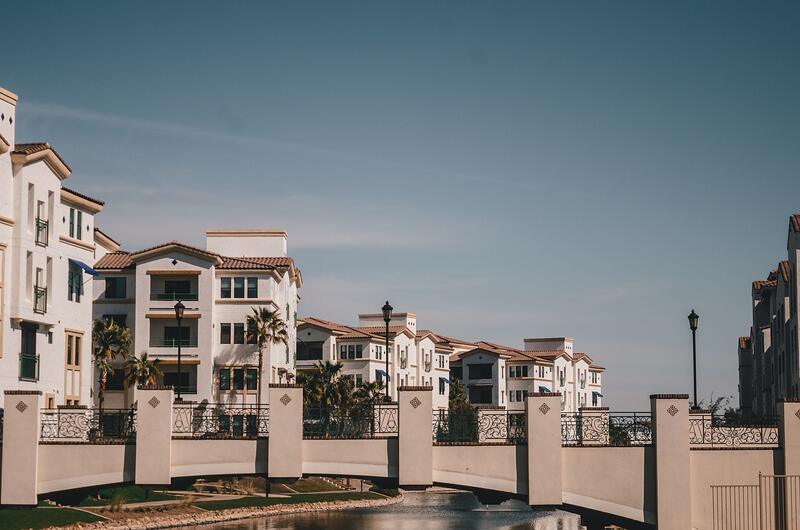
Chandler housing is overwhelmingly concrete or clay tile over block and stucco, with block walls between lots, and that produces a short and very consistent opening list.
At the top of it is the gap under the first course of tile. Mortar packed into the tile ends at construction was the original closure, and after about fifteen to twenty years of Valley heat it has cracked and fallen away, leaving the eave open end to end. On a subdivision built in the late 1990s or early 2000s, that is now. The replacement is a manufactured metal bird stop, typically 26 gauge galvanized steel or aluminum, and ventilated versions carry weep holes so the eave keeps breathing.
Then come the ordinary items: gable and soffit vents with missing or chewed screens, the sleeve where the air conditioning line set passes through the block, mesh at the weep screed along the base of the stucco, the garage door bottom seal and threshold, and the weep openings along the block walls. UF/IFAS gives a quarter inch as the rat-proofing standard, which is the measure every one of those is judged against. Rodent exclusion covers how the work gets specified.
Retention basins, landscaped corridors and what grows against the wall
Subdivision design in this part of the Valley puts retention basins, greenbelts and landscaped corridors through and between neighborhoods, and those are the places cover is thickest. A basin is a landscaped island with young trees and irrigated planting; a corridor is a continuous run of the same thing. Both are ordinary amenities and neither is a problem in itself.
What matters is what happens at the boundary between that and your lot. Dense shrub beds against the block wall, stored pavers, pots and firewood sitting on gravel, an unlit side yard nobody walks, and the gap under a side gate together make the difference between an animal passing along the wall and an animal stopping at your house. The University of Arizona Cooperative Extension identifies exclusion and barriers as the most effective management where woodrats are getting into structures, and the same logic applies at ground level to either animal.
The corrections are small: thin and lift shrubs so the ground beneath them is visible, get stored material up off the gravel and away from the wall, close the gate gap, and screen the wall weep openings. Those are corrections rather than landscaping work, and they belong near the top of a report.
What We Handle in Chandler
Chandler calls are mostly tile-eave closures and attic trapping, with ground-level work where a lot backs onto a corridor or a field.
- Roof rat removal: trapping on the active attic runs, left at least a week since UF/IFAS notes roof rats are wary of newly placed objects.
- Rodent exclusion: metal bird stops along the measured first course of tile, galvanized cloth at the vents, a collar and mortar at the line set sleeve, mesh at the weep screed and the wall weep openings.
- Rodent inspection: free, covering roof, attic, perimeter wall, equipment pads and garage, written up with photographs.
- Pack rat removal: middens cleared from wall corners and shrub beds on lots near fields or open ground, with wiring on equipment checked.
- Mouse removal: garage, pantry and laundry trapping plus the quarter-inch gaps at pipe sleeves and the garage door line.
- Attic cleanup: droppings, nests and caches out and the space sanitized, with the insulation measured rather than guessed at.
- Attic insulation replacement: flattened or soiled fill removed and fresh material blown back to depth.
- Dead rodent removal: tracing a smell to the carcass and closing the opening behind it.
- Commercial rodent control: the restaurant and retail rows around downtown and Chandler Fashion Center, plus office and light industrial along the Price corridor.
A Typical Chandler Job
The situation: A 2001 two-story house in a south Chandler subdivision whose back wall faces a lateral canal with a maintenance path along it. The owners first noticed a noise above the upstairs landing in late October and put it down to the air conditioning. By mid-November it was happening at the same time every evening and they had found droppings on top of a storage box in the garage.
What gets done: The ladder walk finds the first-course tile closures gone along about forty-four feet of the rear eave, which faces the canal, and intact on the street side. One soffit vent screen has been chewed open. The attic shows droppings a quarter to half an inch long with pointed ends above the landing and a run worn toward the rear corner. Along the wall line, two weep openings are open and a bougainvillea against the back wall is dense enough that the ground under it cannot be seen. The soffit vent is screened in galvanized cloth and traps go onto the attic run on the first visit. The second visit fits a ventilated metal bird stop along the rear eave, screens the two weep openings, and replaces the garage door bottom seal where daylight showed. The bougainvillea is thinned.
How it turns out: Five animals across fourteen days, then a clear week and a final check with nothing fresh. The garage droppings turn out to be from the same animals using the garage-to-attic panel gap, which is closed as part of the work. The insulation along the run is scuffed and dry and is cleaned rather than replaced. The record lists forty-five feet of bird stop, the soffit vent, two weep screens, the garage seal and the panel gap, and notes the canal side as the exposed elevation for future reference.
What This Costs in Chandler
Chandler jobs cluster in a fairly predictable range, because the housing stock is consistent and the opening list repeats. The figures are typical-job bands, settled at the free inspection.
| Work | Phoenix area (Angi) | National (HomeGuide 2026) |
|---|---|---|
| Inspection | Free here | $0 to $175 standalone |
| Trapping visit | $144 to $443, averaging about $286 | $250 to $1,200 |
| Follow-up visit | $50 to $150 | Included above |
| Sealing a few named openings | $200 to $600 | Part of the whole-home band |
| Whole-shell exclusion | Past the Phoenix figure once the eave is long | $500 to $2,500 |
| Attic cleanup and sanitizing | Quoted from the measured area | $600 to $2,500 |
| Insulation removal and replacement | Quoted per square foot | $2.50 to $5.50 per sq ft |
| Dead rodent removal | Quoted at the visit | $150 to $500 |
A single-story house with one bad vent and a short run of open eave sits low in the Phoenix sealing band. A two-story house with the eave open along two elevations, a garage that was never sealed and a row of open wall weep openings moves toward the national figure, because a bird stop is priced by the foot. Ask how many feet the quote includes and which elevations, and ask for trapping and sealing as separate lines.
The route in from the sewer line
How a rat travels a drain into a house.

Video: How do rats get out of the sewers and into your home?, from BEEKIND Pest Control.
Common Questions in Chandler
What Chandler callers ask before booking.
Does backing onto a canal make this worse?
It raises the pressure and it does not decide the outcome. A canal or lateral is a continuous run of cover and vegetation with water on a schedule, which is a considerable advantage in this climate, and Maricopa County Vector Control puts roof rat foraging at roughly two to three hundred feet from the nest, so a bank that close is well inside range. Nothing you do to the canal will change that. What changes is whether your eave, your vents and your wall weep openings are closed.
The fields behind us are being built on. Will that push them toward us?
Disturbed ground does move animals around, and a sensible response is to get the shell closed rather than to wait and see. The useful sequence is an inspection now, the eave and vents closed, the wall weep openings screened and the gate gaps shut, which leaves the house unavailable regardless of what happens on the far side of the wall. No figure is claimed here about how much construction increases the pressure, because none is sourced.
The house is only twenty years old. Why is the roof the problem?
Because twenty years is roughly when the original closures fail. The first course of tile was sealed with mortar at construction, and mortar bird stops crack and crumble out after about fifteen to twenty years of Valley sun and thermal movement, leaving a continuous opening along the eave. None of it is visible from the ground and none of it is a maintenance failure anybody could have seen. A ladder walk establishes how much of the run is open, which is also what the quote is based on.
How long will the job take?
Two to four weeks is usual from the first visit to the last closure. HomeGuide puts trapping a small number of animals at two to three days and a heavy infestation at one to two months, and UF/IFAS advises leaving traps in position at least a week because roof rats avoid newly placed objects. Fitting a bird stop along a long eave is usually its own visit, since the material has to be obtained in the right length and profile.
Nearby Areas We Serve
The same contractors cover the towns around Chandler, and the service area extends across Maricopa County.