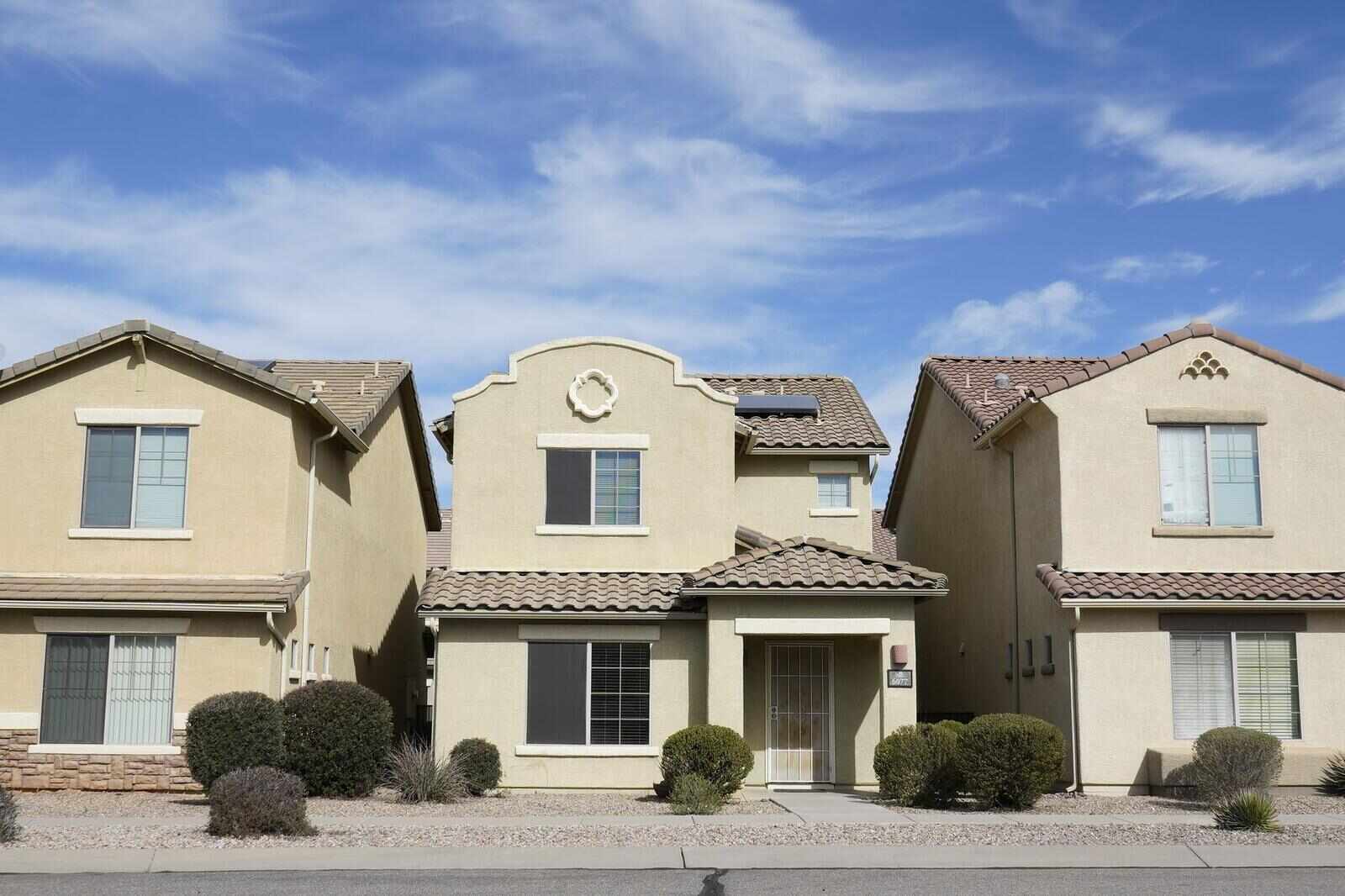
Rodent Removal in Avondale, AZ
Avondale has older streets with mature trees and garages near the Agua Fria corridor, plus newer tile-roof subdivisions around them, and the work differs between the two. The inspection is free.
Free Inspection in Avondale
The free inspection in Avondale works the eave from a ladder, checks the vents and the penetrations, reads the attic with a light for droppings and worn runs, then covers the wall line, any outbuilding and the garage door edge. The findings come back written down, with trapping, sealing and attic work each priced on their own line.
Avondale is in the west Valley in Maricopa County, next to Goodyear and south of Glendale, inside the ordinary range for a west Valley contractor. Somebody picks up this line at any hour. Book a free inspection and say roughly when the house was built, because the older and newer halves of the city produce different findings.
The older streets: mature trees, garages and sheds
Avondale grew up along the Agua Fria corridor long before the subdivision boom reached the west Valley, and the older parts of the city still have the character of that period: modest single-story houses, mature street and yard trees, detached garages, sheds and carports, and lots that have been lived on for several decades.
Two things follow. Older vent details corrode and older soffit returns were not detailed against a quarter-inch standard, which UF/IFAS gives as the rat-proofing figure, so openings appear through age rather than through neglect. And the landscaping planted with those houses has reached the rooflines, which matters because Maricopa County Vector Control reports roof rats travel power lines and tree limbs and spend around ninety percent of their lives four feet or more off the ground.
The outbuilding is the third item and frequently the most important one. A garage, shed or carport storage area on a lot of that age typically has a door that no longer meets the slab, gaps at the floor plate, unscreened roof space and years of stored material inside. Closing and clearing that is often the whole job, and it is one of the cheaper pieces of work on this list.
The newer subdivisions: one opening does most of the work
Around and beyond the older core, Avondale is 1990s to 2010s block and stucco under concrete or clay tile on gravel lots with block walls between them, and on that stock the opening list is short and repeats from street to street.
The gap under the first course of tile leads it. On this stock the tile ends were closed with mortar when the houses went up, and that mortar cracks and falls away after roughly fifteen to twenty years of Valley sun, leaving a continuous void the length of the eave. Houses from the 1990s are well past that point and houses from the 2000s are arriving at it. The replacement is a manufactured metal bird stop, typically 26 gauge galvanized steel or aluminum, with ventilated profiles keeping the eave airflow.
Then the ordinary items: gable and soffit vents with chewed or missing screens, the air conditioning line set sleeve through the block, mesh at the weep screed along the base of the stucco, the garage door bottom seal and threshold, and the weep openings in the block walls. Rodent exclusion sets out how each one gets closed and how the eave is measured.
The river corridor and the open ground along it
The Agua Fria corridor runs through the west Valley and brings a band of vegetation and open ground with it, and properties near any such corridor have animals arriving from outside them continuously. The same applies to remaining agricultural parcels and undeveloped land around the city's edges.
That pressure is a feature of the location rather than a consequence of anything on the lot, and it is permanent. Maricopa County Vector Control puts roof rat foraging at roughly two to three hundred feet from the nest, which covers a considerable area from a single nest site. The useful response is not to treat the corridor but to make the property unavailable.
Where a lot sits against open ground, the woodrat becomes relevant as well. The University of Arizona Cooperative Extension describes the nest, a midden, as a mound of vegetation and sticks built at the base of a prickly pear or a palo verde with several entrances and shallow tunnels, which on a subdivision lot means a wall corner, a dense bed, a shed or the gap beneath an equipment pad. The closures there are ground-level work: a mesh skirt pinned at the gravel line, wall weep screens, a shed door seal and the gate gap. Pack rat removal covers it.
What We Handle in Avondale
Avondale calls divide between outbuilding and vent work on the older streets and tile-eave closures on the newer subdivisions.
- Rodent exclusion: metal bird stops along the tile eave, galvanized cloth at vents and soffit returns, garage and shed door seals, mesh at the weep screed and wall weep openings.
- Roof rat removal: attic trapping on the active runs, left at least a week since UF/IFAS notes roof rats avoid newly placed objects.
- Mouse removal: garage, pantry, laundry and shed trapping plus the quarter-inch openings they use.
- Rodent inspection: free, covering roof, attic, perimeter, garage and any outbuilding, each finding written down.
- Pack rat removal: middens cleared where a lot meets open ground, with pads skirted and wiring checked.
- Attic cleanup: droppings, nests and caches removed and the space sanitized, with insulation depth recorded.
- Attic insulation replacement: flattened or soiled fill measured, removed and blown back to depth.
- Dead rodent removal: tracing a smell to the carcass and closing the route in.
- Commercial rodent control: restaurants and retail along Dysart and McDowell, light industrial, and multifamily.
A Typical Avondale Job
The situation: A 1971 single-story house on an older Avondale street, composition roof, carport with an enclosed storage room at the back, two large trees touching the roof. The household had been hearing something in the ceiling at night since late October and had also noticed droppings along a shelf in the storage room. A relative had put bait blocks in the attic about two weeks earlier.
What gets done: Three things run in parallel. The attic has droppings a quarter to half an inch long with pointed ends and a worn run, plus the bait blocks, which are removed and disposed of because the owners ask for them to go. Outside, one gable vent screen has corroded away and a soffit return corner is open by about an inch. In the storage room, the door clears the slab by more than an inch and a bag of grass seed is open on the floor. Snap traps go into the attic and into housings in the storage room. The gable vent is screened in quarter-inch galvanized cloth and the soffit return closed with sheet metal fastened to framing on the first visit; the storage room door gets a new bottom seal and threshold on the second. The seed goes into a sealed bin and the tree limbs are trimmed back about three feet.
How it turns out: Two rats from the attic and three mice from the storage room across ten days. One carcass from the earlier bait is located on the drywall between trusses and removed as its own line item, which is why the attic had been smelling faintly. The record lists the gable vent, the soffit return, the storage room door, the carcass with its location, and the bait removal, and notes the open seed bag as the reason the storage room was the busier of the two spaces.
What This Costs in Avondale
Avondale jobs sit across a moderate range, because an outbuilding closure and a tile eave are different pieces of work. Every figure below is a typical-job band settled at the free inspection.
| Work | Phoenix area (Angi) | National (HomeGuide 2026) |
|---|---|---|
| Inspection | Free here | $0 to $175 standalone |
| Trapping visit | $144 to $443, averaging about $286 | $250 to $1,200 |
| Follow-up visit | $50 to $150 | Included above |
| Sealing vents, returns and sleeves | $200 to $600 | Part of the whole-home band |
| Whole-shell exclusion on tile | Above the Phoenix figure once the eave is long | $500 to $2,500 |
| Garage, shed or storage room closure | Quoted as its own structure | No published band applies |
| Attic cleanup | Quoted from the measured area | $600 to $2,500 |
| Dead rodent removal | Quoted at the visit | $150 to $500 |
An older house with one corroded vent, an open soffit return and a storage room door to seal is a modest job near the bottom of the Phoenix sealing band. A newer two-story tile house with the eave open along two elevations moves toward the national figure. Ask for the house and any outbuilding on separate lines, and ask which roof type the quote was written for.
Materials that keep rodents out
A comparison of what actually holds at a gap.
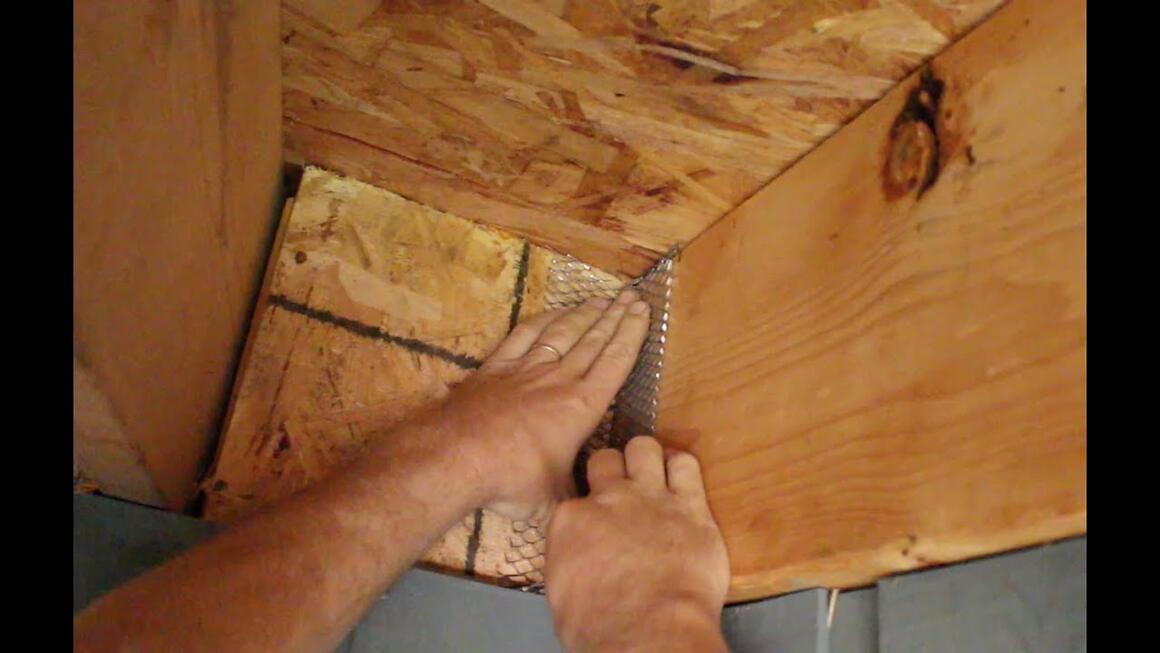
Video: How to keep mice out. Cheaper than hardware cloth, from Ontario Lakeside.
Common Questions in Avondale
What Avondale callers ask before booking.
Our house is from the seventies. What usually turns out to be the opening?
Corroded vent screens and an open soffit return corner, most often. Screens fitted decades ago rust through, and soffit returns on stock of that age were frequently never closed properly at construction, let alone to the quarter-inch standard UF/IFAS gives for rat-proofing. On a house with a composition roof those are the two to check first, along with the eave edge and the penetrations, and both are straightforward to close with galvanized cloth and sheet metal fastened to framing.
Somebody put bait in our attic. Should it come out?
Ask the contractor to remove it if you want it gone, and expect a carcass search as part of the visit. The EPA describes most rodenticides as anticoagulants that kill four days to two weeks after an animal starts feeding, so an animal that nests in your attic dies in your attic, and UF/IFAS notes trapping reduces the risk of that happening inside a building. A faint smell appearing a week after bait went down is almost always the explanation. Traps recover the animal instead.
Does living near the river corridor make a difference?
It raises the pressure rather than decides the outcome. A corridor of vegetation and open ground supplies cover and food continuously, and Maricopa County Vector Control puts roof rat foraging at roughly two to three hundred feet from the nest. Nothing done to the corridor will change that. What changes is whether your own eave, vents, wall weep openings, shed door and gate gap are closed, and that is what the quote covers.
Is the storage room really worth sealing?
On an older lot it is frequently the main event. An enclosed storage room or shed with a door that clears the slab by an inch, gaps at the floor plate and open bags of seed, feed or pet food inside supplies access, nesting material and food together. A new bottom seal and threshold, mesh at the floor plate, and stored goods in hard sealed containers remove all three. It is inexpensive work and it lasts, which is not true of most of the alternatives.
Nearby Areas We Serve
The same contractors cover the west Valley towns next to Avondale, and the wider service area is Maricopa County.