Rodent Removal in Surprise, AZ
Most of Surprise went up in a single stretch of years, which means a very large number of tile eaves arriving at the same age at the same time. The inspection that checks yours is free.
Free Inspection in Surprise
The free inspection in Surprise walks each eave run from a ladder, checks the first course of tile, the gable and soffit vents and the penetrations, reads the attic with a light for droppings and worn runs, then covers the wall line, the equipment pads and the garage door edge. The findings come back written down, with trapping, sealing and attic work priced on separate lines.
Surprise is in the north-west Valley in Maricopa County, inside the usual range for a west Valley contractor. This line is answered at any hour. Book a free inspection and say roughly when the house was built, because on Surprise stock the build year predicts most of what the walk finds.
A city built in one stretch, now all at the same age
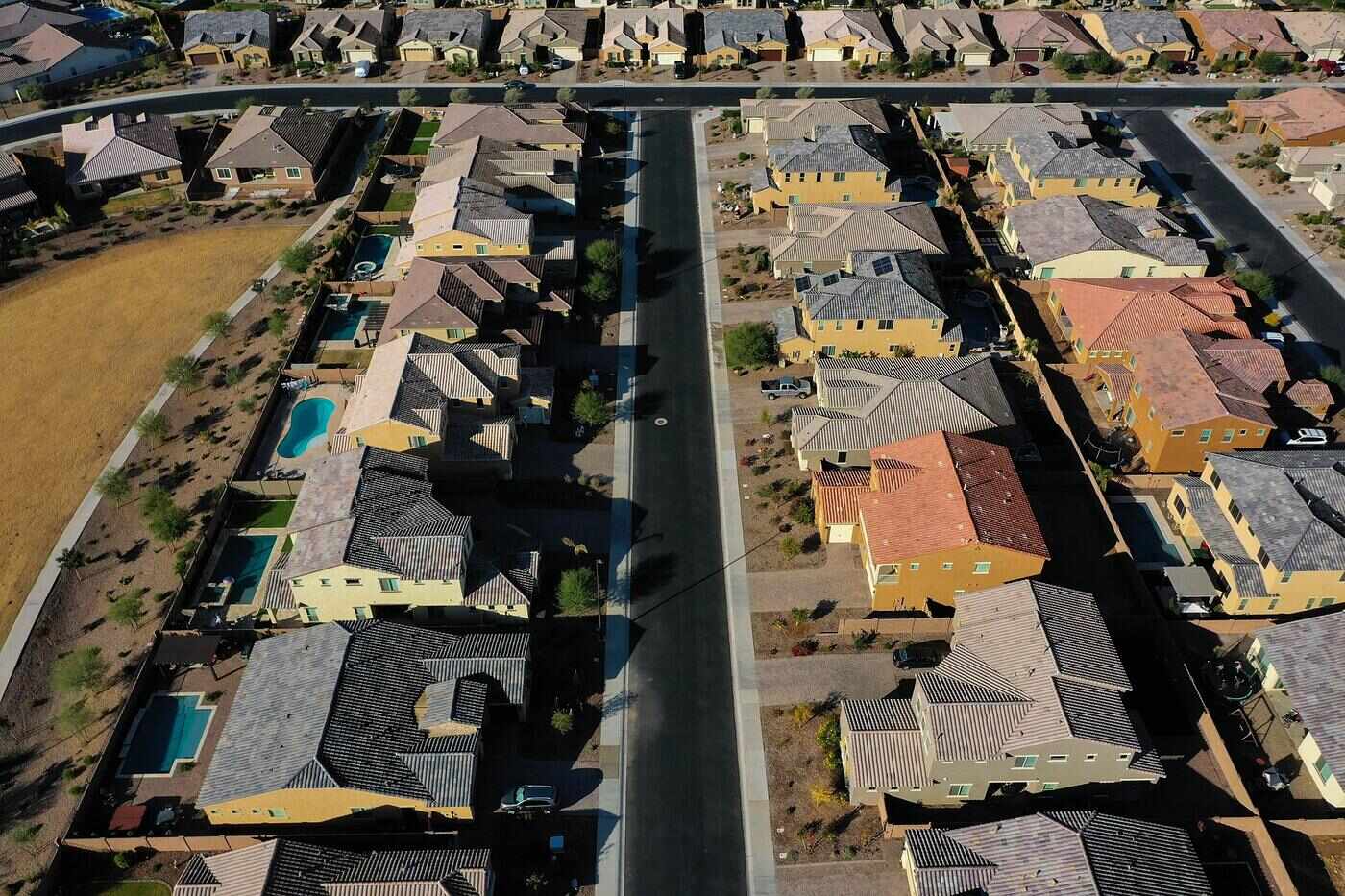
Surprise incorporated in 1960 as a small settlement and stayed small for decades before growing very rapidly from the late 1990s through the 2000s. The practical consequence is that an unusual share of its housing was built inside a narrow band of years, which matters because the relevant failure here runs on a timer.
Block and stucco under concrete or clay tile is the dominant construction, and the gap under the first course of tile was closed with mortar at the time of building. Mortar bird stops crack and crumble out after roughly fifteen to twenty years of Valley sun and thermal movement, leaving a continuous void running the length of the eave. A city whose housing went up between about 1998 and 2008 therefore has a very large number of roofs passing that threshold within a few years of each other, which is a reasonable explanation for why neighbors on the same street often have the same problem in the same winter.
The replacement is a manufactured component rather than a patch: a bird stop, also called an eave closure, a code-approved metal profile usually in 26 gauge galvanized steel or aluminum, with ventilated versions carrying weep holes so the eave keeps breathing. Federal guidance from the Department of Energy names bird stopping among the measures it recommends for tile roofing. Rodent exclusion sets out how it gets measured.
Managed communities, shared walls and who fixes what
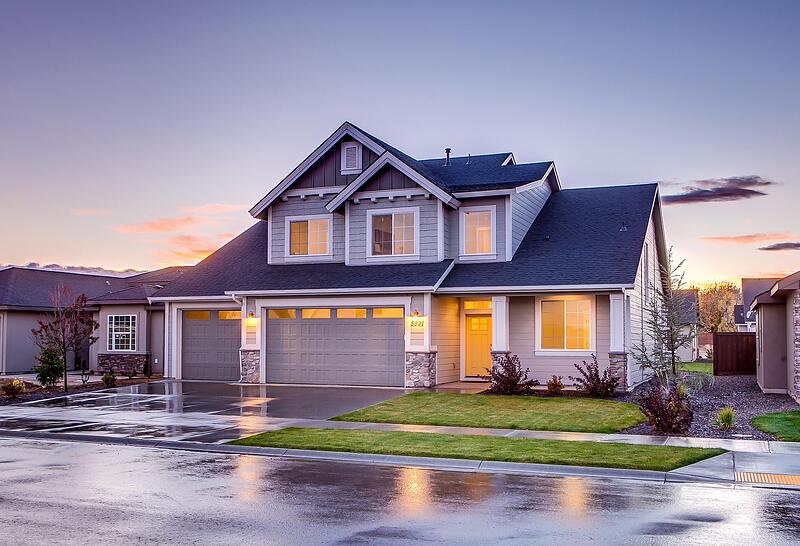
A large part of Surprise sits inside managed and active adult communities with landscaping standards, common areas and shared perimeter walls, and that changes the practical shape of a job in two ways worth knowing in advance.
The first is responsibility. A perimeter wall, a common greenbelt, a shared landscaping corridor or a party wall between attached units may not be yours to work on, and a finding on one of those needs to go to the association in writing rather than being argued about verbally. A dated survey with photographs is the instrument for that, and it is also what protects a homeowner who has been asked to deal with something they do not control.
The second is attached construction. Where units share a wall or a continuous attic run, an animal removed from one unit returns from the next, and treating a single unit in isolation is how money gets wasted. Maricopa County Vector Control puts roof rat foraging at roughly two to three hundred feet from the nest, which covers a whole row of attached homes from one nest site. Where that is the situation, the cheaper arrangement is usually a building-wide approach through the association.
The newer western edge brings pack rats
Surprise continues to extend west and north toward open desert and agricultural land, and lots on that edge have the ground-level problem as well as the roof one. Where gravel landscaping, cactus and palo verde meet open ground, the woodrat is a native resident rather than an intruder.
The University of Arizona Cooperative Extension describes the woodrat nest, a midden, as a mound of vegetation and sticks built at the base of a prickly pear or a palo verde with several entrances and shallow tunnels, and on a subdivision lot that becomes a mound against a block wall corner, under a shrub, inside a shed, beneath a condenser pad or under a vehicle left standing. The extension also notes woodrats gnaw the vinyl and plastic shielding on electrical wire and are notorious for chewing the wiring of cars and appliances, which on a lot with a condenser, a pool pump, irrigation controls and a second vehicle is the expensive part.
So an inspection on the western edge opens equipment cabinets and looks under things rather than limiting itself to the roofline. The closures are ordinary: a mesh skirt at a pad pinned at the gravel line, screens in the wall weep openings, a proper seal on a shed door, the side gate gap closed, and stored material lifted off the gravel.
What We Handle in Surprise
Surprise calls are mostly tile-eave closures and attic trapping, with ground-level work on the newer western lots.
- Rodent exclusion: metal bird stops along the measured first course, galvanized cloth at the vents, collars at the line set sleeves, mesh at the weep screed and the wall weep openings.
- Roof rat removal: attic trapping on the active runs, left at least a week since UF/IFAS notes roof rats are wary of newly placed objects.
- Pack rat removal: middens cleared from wall corners, shrub beds, sheds and equipment pads, with wiring on condensers and vehicles checked.
- Rodent inspection: free, covering roof, attic, wall line, equipment and any outbuilding, written up with photographs.
- Mouse removal: garage, pantry and laundry trapping plus the quarter-inch openings at pipe sleeves and the garage door line.
- Attic cleanup: droppings, nests and caches removed and the space sanitized, with insulation depth recorded.
- Attic insulation replacement: measured in square feet and priced accordingly rather than whole-attic by default.
- Dead rodent removal: tracing a smell to the carcass and closing the route it used.
- Rodent clearance letters: dated reports for escrow files and for association notices, both of which come up often here.
A Typical Surprise Job
The situation: A 2003 single-story house in a managed community in Surprise, concrete tile, gravel front, a perimeter wall at the rear belonging to the association. The owners had received a letter from the association about a mound of material against the common wall behind their lot, and separately had been hearing something above the guest bedroom on cool evenings since November.
What gets done: Two findings and two owners. The mound is on the association side of the common wall, photographed and written up so the homeowners can send it on rather than attempting work they have no right to do, with the weep openings on their own side of that wall screened as the part they control. On the house, the first-course tile closures are gone along about twenty-nine feet of the rear eave and one soffit vent screen has been chewed. The attic shows droppings a quarter to half an inch long with pointed ends above the guest bedroom. Traps go on that run and the soffit vent is screened on the first visit; the eave takes the second visit with a ventilated metal bird stop.
How it turns out: Three animals across eight days and nothing for the following two weeks. The association clears the mound on its own side after receiving the dated photographs and the written finding, which is considerably faster than the conversation would have been without them. The closure record lists thirty feet of bird stop, the soffit vent with the mesh gauge, four weep screens and the escalated item with the date it was sent.
What This Costs in Surprise
Surprise jobs are fairly predictable in scope, because the housing is consistent and the opening list repeats across a street. The figures below are typical-job bands settled at the free inspection.
| Work | Phoenix area (Angi) | National (HomeGuide 2026) |
|---|---|---|
| Inspection | Free here | $0 to $175 standalone |
| Trapping visit | $144 to $443, averaging about $286 | $250 to $1,200 |
| Follow-up visit | $50 to $150 | Included above |
| Sealing named openings | $200 to $600 | Part of the whole-home band |
| Whole-shell exclusion | Past the Phoenix figure once the eave is long | $500 to $2,500 |
| Attic cleanup | Quoted from the measured area | $600 to $2,500 |
| Insulation removal and replacement | Quoted per square foot | $2.50 to $5.50 per sq ft |
| Dead rodent removal | Quoted at the visit | $150 to $500 |
One open eave elevation and a chewed vent on a single-story house sits in the lower half of the Phoenix sealing band. Two or three open elevations, a garage that was never sealed and a row of wall weep openings moves toward the national figure. Because houses on the same street were built together, it is worth asking a neighbor what their quote covered in feet, which makes a useful comparison in a way it rarely does elsewhere.
Keeping rodents out once they are gone
Three approaches, and why sealing is the one that lasts.
Video: 3 Ways To Get Rid Of Mice or Rats, And Keep Them Out!, from Everything Homestead.
Common Questions in Surprise
What Surprise callers ask before booking.
Three houses on our street have the same problem. Why?
Because they were built at the same time. The first course of tile was closed with mortar at construction, and mortar bird stops crack and crumble out after roughly fifteen to twenty years of Valley sun, so a street built in one stretch reaches that threshold together. It is not a coincidence and it is not a neighborhood failing. Each house still needs its own walk, because how much of the eave has opened varies with orientation and exposure.
Our house is tidy and has no trees. How are they getting up there?
Along wires and walls. Maricopa County Vector Control reports roof rats travel power lines as well as tree limbs and spend about ninety percent of their lives four feet or more off the ground, with a foraging range of roughly two to three hundred feet from the nest. A utility drop, a block wall running to a corner of the house, or a tree in a neighboring yard is route enough. The diagnostic weight goes on the eave and the vents rather than the landscaping.
The nest is on the association's side of the wall. What can I do?
Get it documented and send it on. A dated written finding with photographs is what turns a complaint into a work order, and it also protects you if you are being asked to deal with something you have no right to touch. What can be done on your own side is screening the wall weep openings, closing the gate gap and clearing anything stored against the wall, and those go on the quote as your items.
We share a wall with the next unit. Does that change the job?
It does, and it is worth raising at the start. Where units share a wall or a continuous attic run, an animal removed from one unit comes back from the one next door, and treating a single unit in isolation rarely finishes. The county puts roof rat foraging at roughly two to three hundred feet from the nest, which covers a row of attached homes from one site. A building-wide approach through the association is usually both cheaper and more likely to work.
Nearby Areas We Serve
The same contractors cover the surrounding north-west Valley towns, and the service area is the whole of Maricopa County.