Rodent Removal in Ahwatukee
Ahwatukee sits against the South Mountain preserve, which means the animal at the back wall is as often a pack rat as a roof rat. A licensed contractor walks the yard and the roofline at no charge.
Backing onto the preserve changes which animal turns up
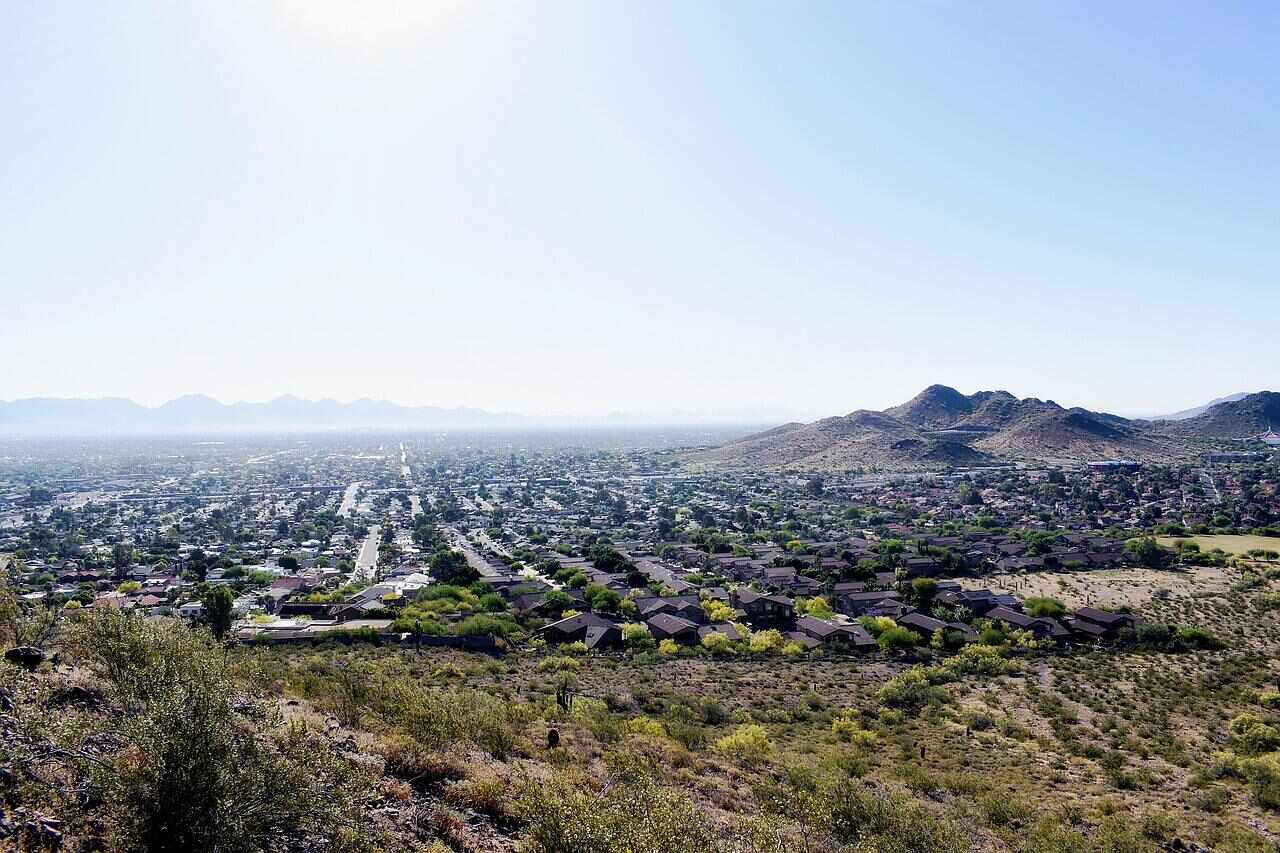
Ahwatukee is separated from the rest of Phoenix by South Mountain and backs onto the preserve along much of its northern edge, and that single geographic fact means the foothills streets here deal with pack rats in a way that central Phoenix largely does not. A woodrat is a native desert animal, and a subdivision boundary against natural desert is a habitat edge rather than a barrier.
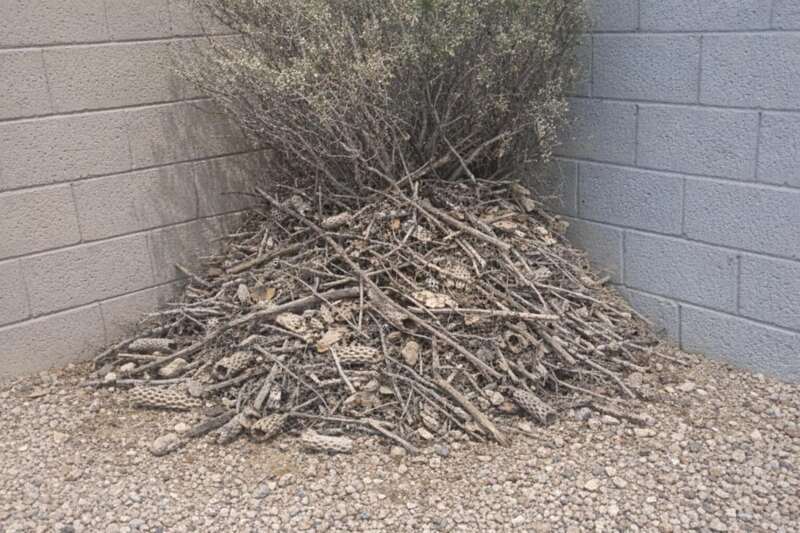
The University of Arizona Cooperative Extension names three woodrat species found in central Arizona, the white-throated woodrat, the Mexican woodrat and Stephens woodrat, and describes the nest, called a midden, as a mound of vegetation and sticks built at the base of a prickly pear or a palo verde, with several entrances, shallow tunnels, storage rooms and grass-lined sleeping nests. On an Ahwatukee lot that same structure gets built against a block wall corner, under a dense shrub, inside a shed, beneath a condenser pad or under a vehicle that has sat still for a couple of weeks.
Roof rats are here too, and the further a street sits from the mountain the more the balance tips back toward them. What that means practically is that an Ahwatukee inspection covers the yard, the wall line and the equipment pads as seriously as it covers the attic, and the two halves are described on pack rat removal and roof rat removal.
Master-planned stock with tile roofs and gravel yards
Ahwatukee is largely master-planned development from the 1970s onward, block and stucco under concrete or clay tile, with gravel and desert landscaping rather than lawn. That combination produces a specific and fairly consistent list of openings.
On the roof it is the gap under the first course of barrel tile, where the original mortar bird stops crack out after roughly fifteen to twenty years of sun, along with gable and soffit vents and the sleeve where the air conditioning line set passes through the block. At ground level it is the weep screed along the base of the stucco, the weep openings in the block walls, the garage door edges where the slab has dipped, and gaps under side gates.
The desert landscaping is the difference from an older central neighborhood. Gravel beds with prickly pear, cholla, palo verde, lantana and bougainvillea supply cover and building material at ground level rather than a canopy route onto the roof, which is exactly why the animal mix shifts. Neither the gravel nor the plantings need replacing; what helps is thinning and lifting shrubs so the ground beneath them is visible, and keeping stored pavers, pots and firewood off the gravel and away from the wall.
The air conditioning and the cars are what get damaged here
On a foothills lot the expensive damage is usually electrical rather than structural. The University of Arizona Cooperative Extension notes woodrats gnaw the vinyl and plastic shielding on electrical wire and are notorious for chewing the wiring of cars and appliances, and in Ahwatukee that tends to mean a condenser unit or a vehicle on the driveway.
The pattern is straightforward. An outdoor condenser sits on a pad against a wall with a gap underneath, which is good midden ground, and the low-voltage control wiring inside the cabinet is within reach. Pool equipment, irrigation valve boxes and landscape lighting transformers are enclosed, warm and rarely opened, so they get the same treatment. A car or a trailer parked on gravel for a week or two becomes shelter with a warm enclosed engine bay.
A site walk here opens those cabinets rather than describing them from a distance, because nesting material and chewed insulation inside one is both the diagnosis and the reason to act. Repairs to wiring belong to an electrician or an air conditioning contractor; what a rodent contractor does is find it, record it and close the access so the same repair is not needed twice.
Two seasons, two different calls
Ahwatukee gets two distinct kinds of rodent call across the year, and knowing which one you have shortens the first conversation considerably. Attic calls build from around October and run through the cool months, with Maricopa County Vector Control putting peak roof rat activity from November through May. Pack rat discoveries skew later and warmer, because the midden built in spring is usually noticed in June when the air conditioning starts behaving strangely.
That seasonal split is a scheduling point as much as a diagnostic one. Attic work in an Ahwatukee summer is early-morning work, because a Valley attic reaches temperatures nobody should spend long in, while yard and equipment work can happen at more civilized hours. A midden cleared in March is cheaper than the condenser repair it would have caused in July.
The one thing that does not change with the season is the shell. Whether the animal came over the wall or along a limb, the question on arrival is whether the first course of tile, the vents and the conduit sleeves are closed to the quarter inch UF/IFAS gives as the rat-proofing standard. Rodent exclusion covers that work in detail.
A representative Ahwatukee yard and wall closure
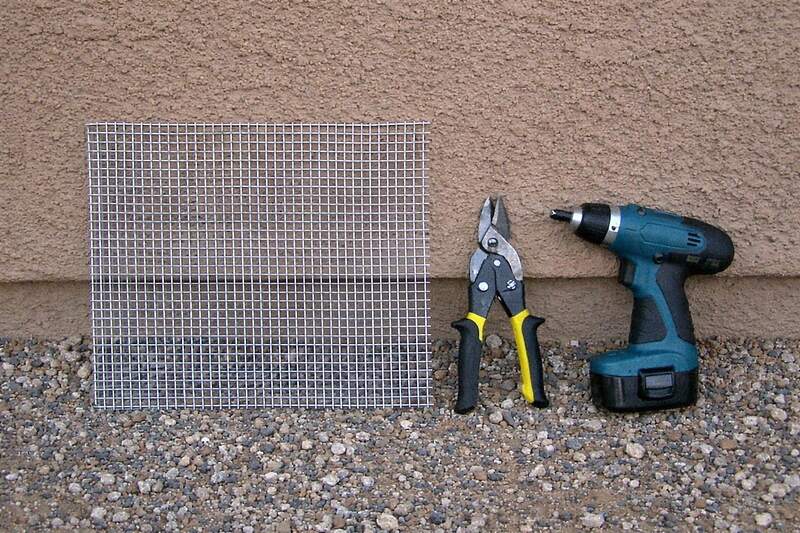
A typical closure list on a foothills lot starts at the ground rather than the roof. Hardware cloth skirted around a condenser pad and pinned at the gravel line, mesh fitted into block wall weep openings so drainage still works, a real bottom seal on a shed door, a side gate gap closed and stored material lifted off the gravel together remove the sites a woodrat builds in.
The roof half is the same specification as anywhere in the Valley: a manufactured metal bird stop along the first course of tile, quarter-inch galvanized cloth at the gable and soffit vents, and a metal collar with mortar at the line set sleeve. Where a lot sits right against the preserve, the wall line and the equipment pads usually carry more of the quote than the roof does.
The work is representative rather than a specific job. What a homeowner keeps afterward is the list: each site cleared, each opening closed, and the material named beside it.
Materials that keep rodents out
A comparison of what actually holds at a gap.
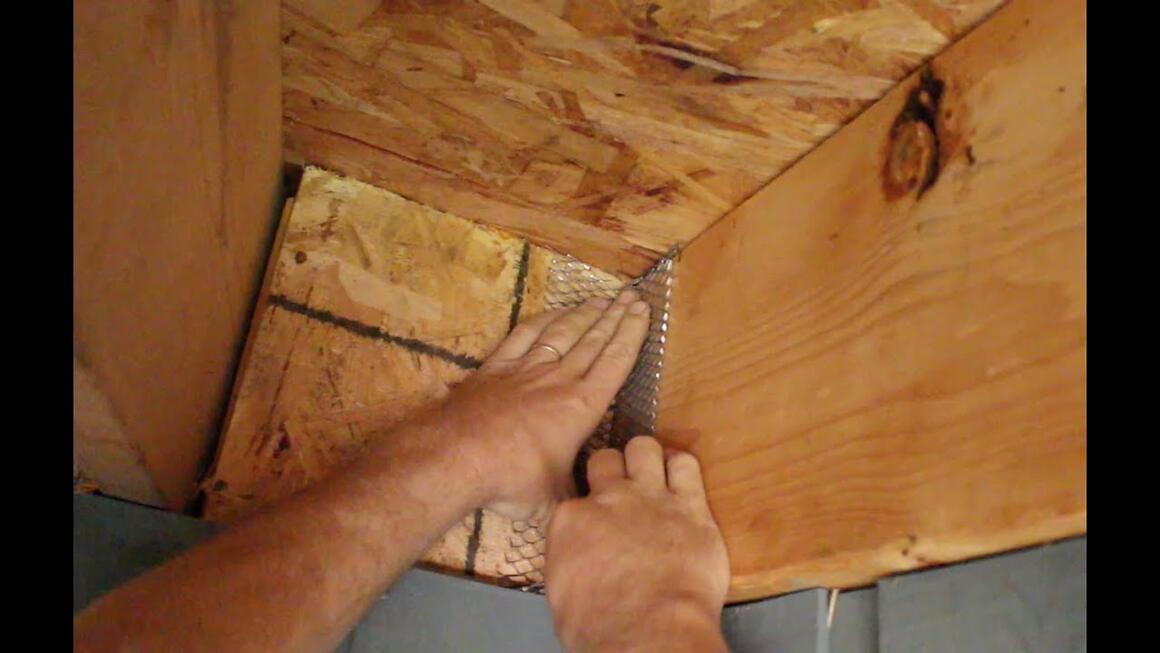
Video: How to keep mice out. Cheaper than hardware cloth, from Ontario Lakeside.
Why Ahwatukee homeowners book through us
Three things a foothills lot needs that a central Phoenix lot does not.
-
The yard is surveyed as seriously as the attic
On a lot against the South Mountain preserve the nest is as likely to be under a prickly pear as in the ceiling, and an inspection that only opens the attic hatch misses the job. Work routed from here walks the wall line, the shrub beds, the equipment pads, the shed and anything parked, because the University of Arizona Cooperative Extension identifies exclusion and barriers as the most effective management where woodrats are getting into structures.
Exclusion and barriers are the most effective management, University of Arizona Cooperative Extension
-
Equipment cabinets get opened
The expensive damage on a foothills lot is usually wiring, and the extension notes woodrats gnaw the vinyl and plastic shielding on electrical wire and are notorious for chewing the wiring of cars and appliances. A site walk here opens the condenser cabinet, checks the pool and irrigation controllers and looks into the engine bay of anything sitting on gravel. Finding it in March costs less than discovering it in July.
Woodrats are notorious for chewing the wiring of cars and appliances, University of Arizona Cooperative Extension
-
Desert landscaping is thinned rather than replaced
Gravel, cholla, palo verde and bougainvillea are the reason these streets look the way they do, and none of it has to go. What changes the outcome is thinning and lifting shrubs so the ground beneath is visible, getting stored pavers and firewood up off the gravel, and closing the gaps under gates, sheds and equipment pads. That is a list of small corrections rather than a landscaping project, and it goes in the report as its own section.
Middens are built of vegetation and sticks at the base of cactus and palo verde, University of Arizona Cooperative Extension
A common Ahwatukee call
The situation: A 1990s two-story house on a foothills street with the preserve beyond the back wall, gravel yard, a bed of prickly pear and lantana along one side. The air conditioning had been shutting off intermittently through late May, and the technician who came out found nesting material and chewed low-voltage wiring inside the condenser cabinet. The owners then noticed a mound of sticks and cholla joints in the corner where the block walls meet.
What gets done: The lot walk finds two middens, the wall corner and a second under the prickly pear, with droppings on the condenser pad and a start made behind the pool equipment. Both mounds are cleared, traps go on the run between the wall corner and the pads, and the attic is checked and found clean with insulation at depth. On the second visit both equipment pads are skirted with hardware cloth pinned at the gravel line, three wall weep openings are screened, the side gate bottom gap is closed, and the lantana is thinned so the ground underneath is visible.
How it turns out: Three animals across the first ten days and nothing afterward. The air conditioning repair is handled by the owners' own contractor. No roofline work is quoted, because the roof had nothing wrong with it and saying so is part of the job. The record lists both middens, the two pad skirts, three weep screens and the gate, and the stored pavers along the wall get moved off the gravel on the contractor's recommendation.
Ahwatukee questions
What callers from the foothills ask first.
How do I know whether it is a pack rat or a roof rat?
Where the evidence is usually settles it. A mound of sticks and cholla against a block wall, under a shrub, in a shed or beneath a parked car is a woodrat, and the University of Arizona Cooperative Extension describes it as a large rodent with big eyes and ears, a fur-covered tail and a whitish underbelly and feet. Running across a ceiling after dark is a roof rat, which Maricopa County Vector Control reports spends about ninety percent of its life four feet or more off the ground. Chewed car or air conditioner wiring points strongly to the woodrat.
Is living near the preserve the reason we have this?
It is the reason for the pack rats rather than a fault. A woodrat is a native desert animal and a subdivision edge against natural desert is a habitat boundary, so the pressure is structural to the location and permanent. That is not a reason to treat the whole back wall as a problem; it is a reason to close the specific sites on your own lot, since the extension names exclusion and barriers as the most effective management where woodrats are entering structures.
Do I need a permit or a wildlife license for a pack rat?
No. The University of Arizona Cooperative Extension states woodrats are not legally protected in Arizona, so a homeowner may put control measures in place without contacting wildlife officials first. The license that matters is the contractor's: structural pest control here requires one from the Arizona Department of Agriculture, Pest Management Division, and a PMD licensee may remove nuisance rodents without a separate wildlife service license from Arizona Game and Fish.
Can the same visit cover the attic and the yard?
Yes, and on a foothills lot it should. A PMD licensee may take nuisance rodent species without a separate wildlife license, so one contractor can read the attic, walk the wall line and open the equipment cabinets on the same appointment. That matters here because the two animals produce different evidence and the same household sometimes has both, and a report covering only one leaves the obvious question open.