Rodent Removal in Phoenix, AZ
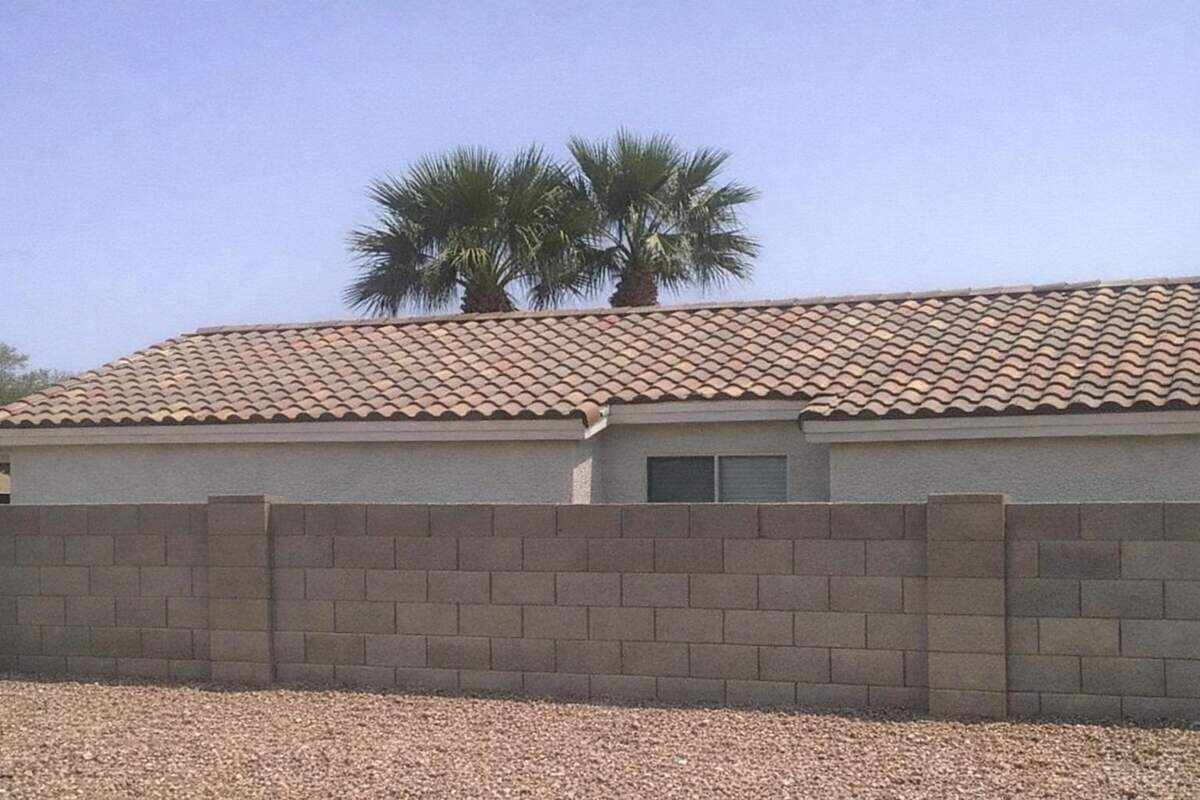
Roof rats come over the block walls and up the trees and get in under the tile, and the running starts once the house goes quiet. Licensed Arizona contractors trap them out, close the eave, and put the attic back.
What gets arranged across the Valley
Ten services, running in the order a real job runs: the animals out, the building shut, then whatever the attic needs afterward.
Roof Rat Removal
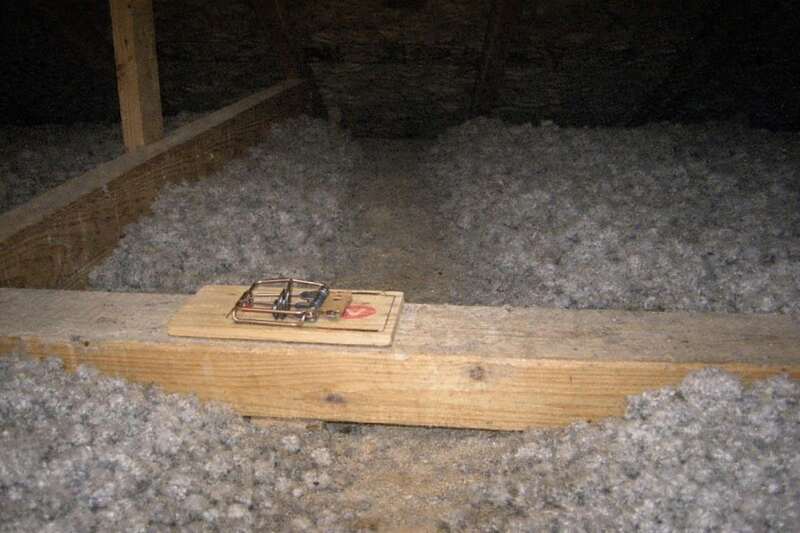
Trapping out the climber that dominates Valley attic calls, run alongside the sealing.
Learn more →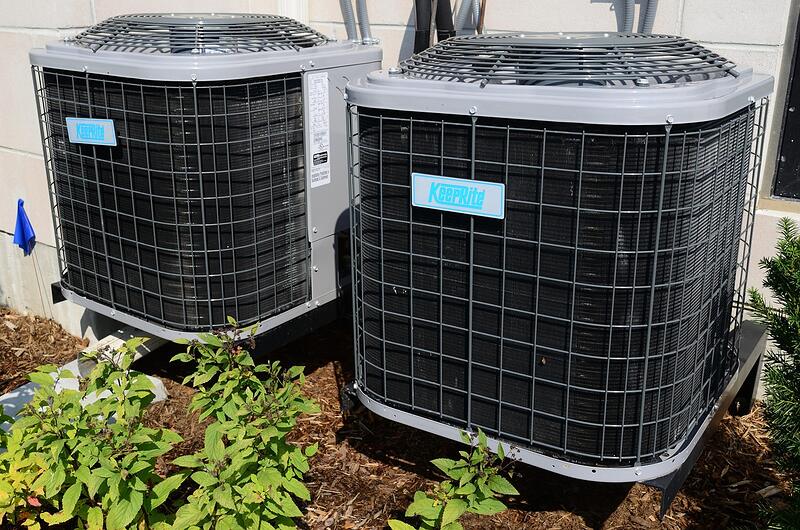
Pack Rat Removal
Middens cleared and the wiring protected on desert-edge lots, vehicles and AC equipment.
Learn more →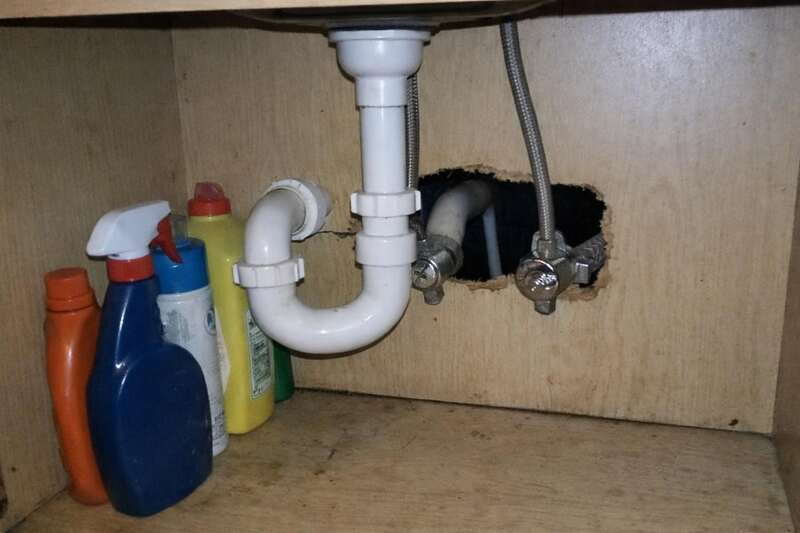
Mouse Removal
Garage, pantry and storage mice caught and the small openings they use closed.
Learn more →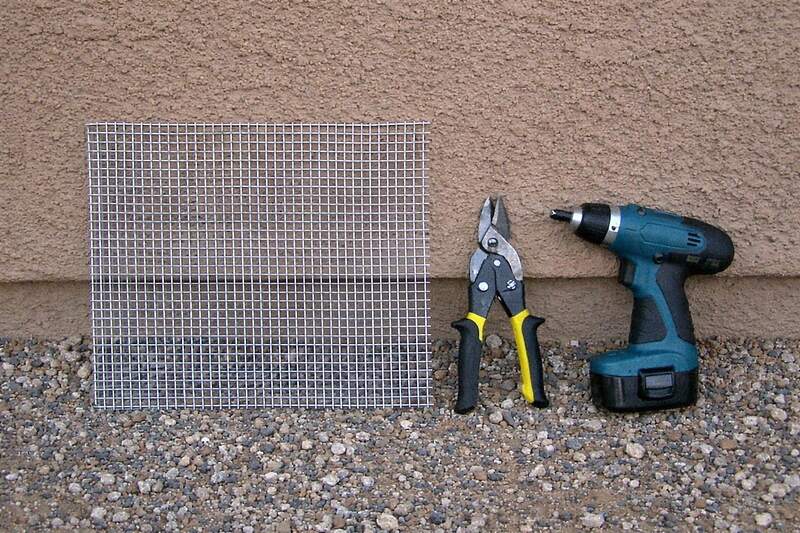
Rodent Exclusion
Closing the shell: tile eaves, vents, conduit sleeves, weep screed and garage edges.
Learn more →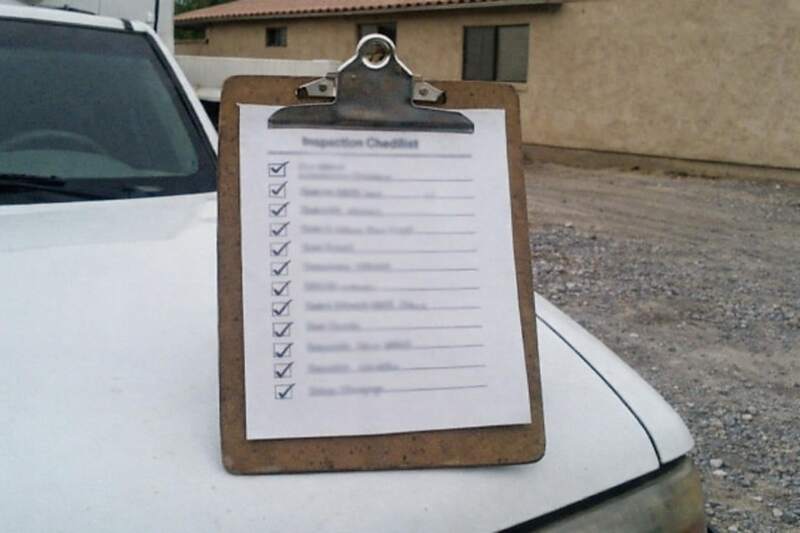
Rodent Inspection
A free walk of the roofline, attic and perimeter that fixes the order of the job.
Learn more →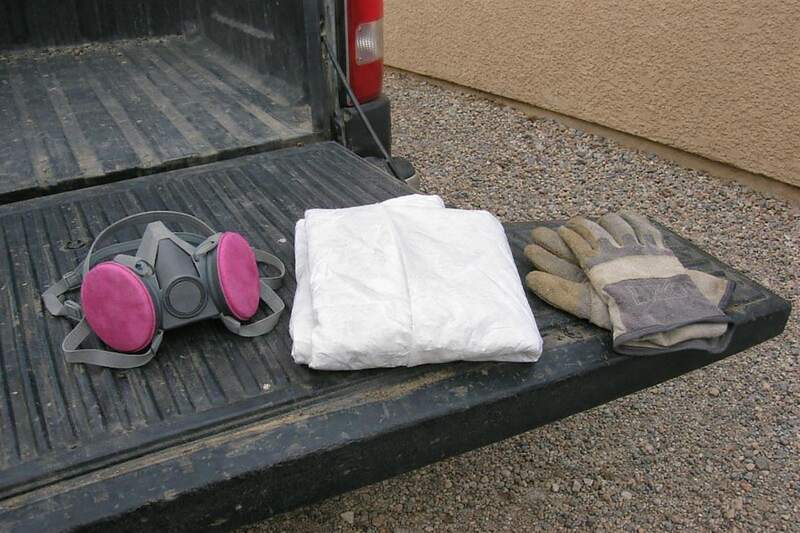
Attic Cleanup
Droppings, nests and fouled insulation taken out and the attic sanitized.
Learn more →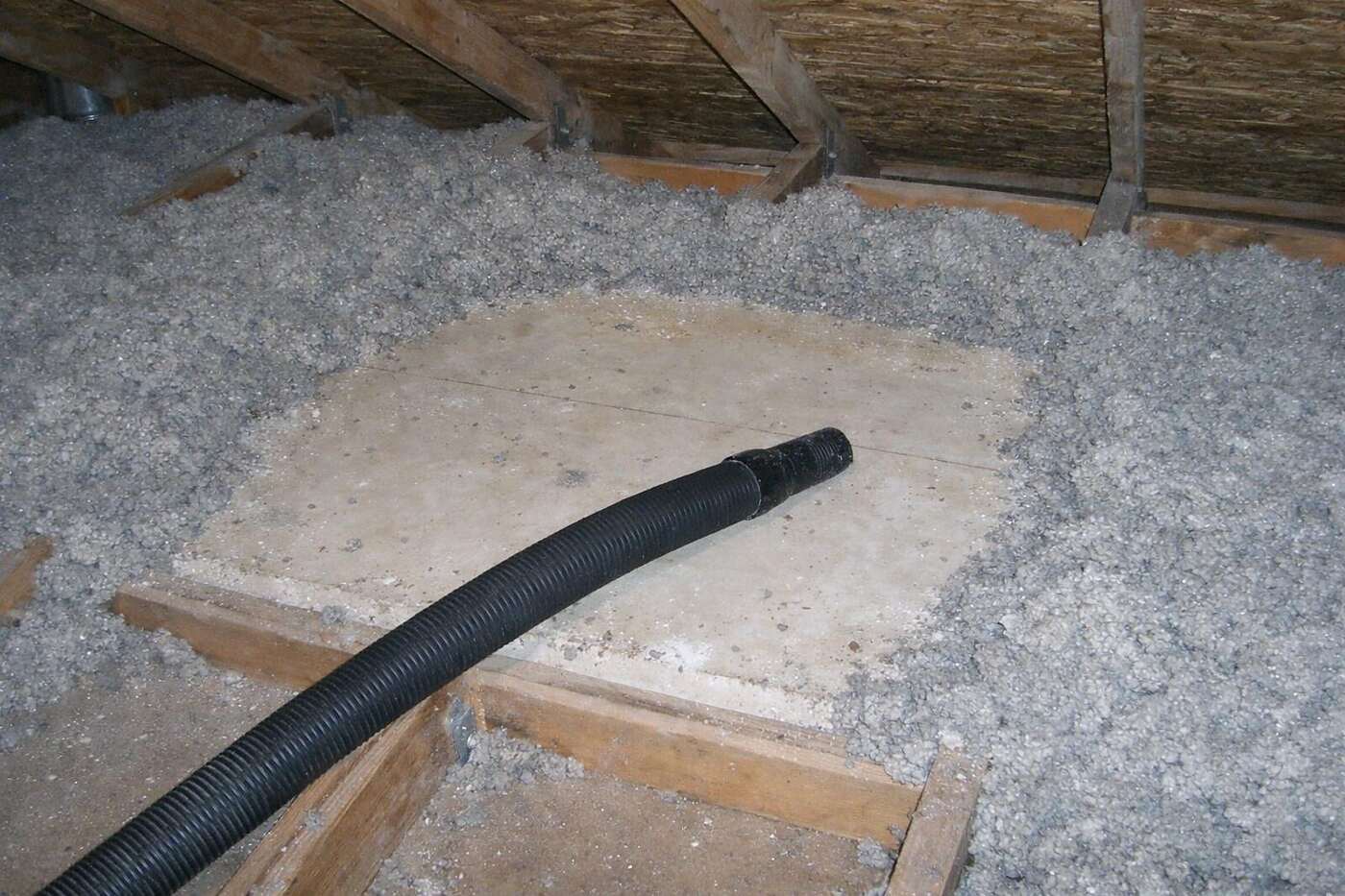
Attic Insulation Replacement
Flattened and soiled blown-in insulation removed and fresh fill blown back.
Learn more →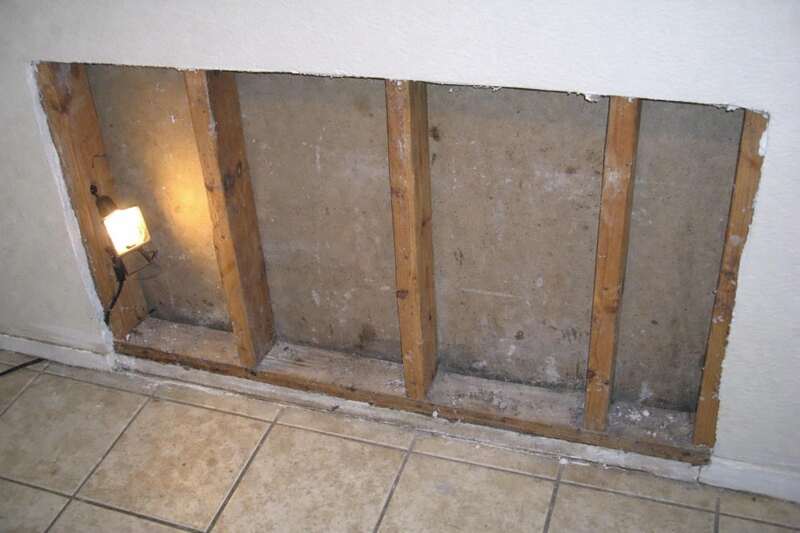
Dead Rodent Removal
Tracing the smell to the carcass, removing it, then closing the way it came in.
Learn more →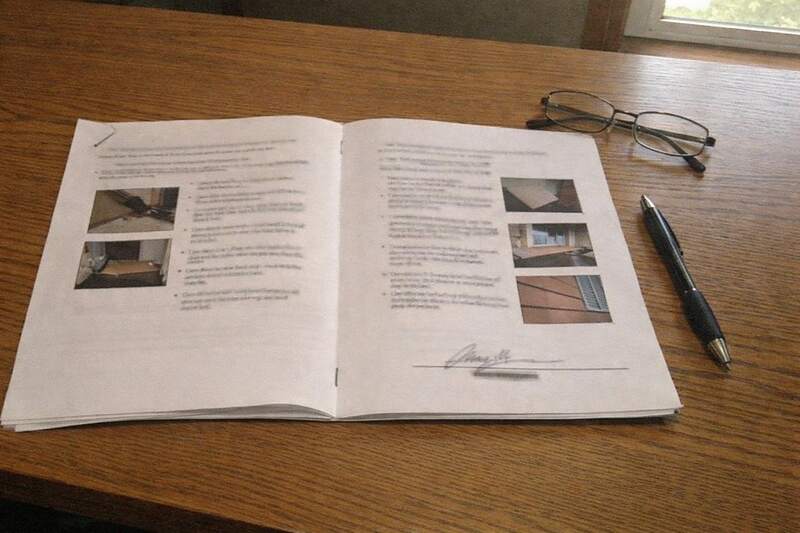
Rodent Clearance Letters
The dated written report an escrow file, a lease, an HOA notice or a claim needs.
Learn more →What is making the noise
Three animals account for almost every Valley call, and where you hear them plus the hour narrows it down before anybody visits.
-
Roof rats
The animal behind most attic calls in Phoenix. They are not native here: the first ones were identified in Arcadia in 2002, most likely carried in from another state, and they spread out of the older citrus neighborhoods until they were established across the Valley. Maricopa County Vector Control reports they spend about ninety percent of their lives four feet or more off the ground, travel power lines and tree limbs, and are most active from November through May.
-
Pack rats
Woodrats, the desert-edge animal rather than the attic animal. They pile sticks and cholla joints into middens under shrubs, against block wall corners, beside condenser units, inside sheds and under parked vehicles, and the wiring they chew is usually a car harness or an air conditioner rather than a ceiling fixture. North Phoenix, the Ahwatukee foothills, the Cave Creek side and north Scottsdale carry most of this pressure.
-
House mice
The garage, pantry and storage-room animal, and the one that picks up as the nights cool from October through March. A quarter inch is all the gap a mouse needs, per UF/IFAS, which puts the openings at the garage door corner, the pipe sleeve under a sink and the gap behind a water heater rather than at the roofline.
-
Norway rats
Present in the Valley and secondary to roof rats rather than absent. They stay lower down: burrows at ground level, the space under a slab addition, dumpster enclosures and alley lines behind older commercial strips. The quarter-inch sealing standard from UF/IFAS applies to them the same way.
-
Something that died inside a wall
A heavy sweet smell that builds over a week or two and then fades is a carcass, and it turns up most often after a bait-only treatment. The EPA describes most rodenticides as anticoagulants that kill four days to two weeks after an animal starts feeding, and an animal that nests in your attic dies in your attic.
Why a Phoenix rodent job starts at the tile eave
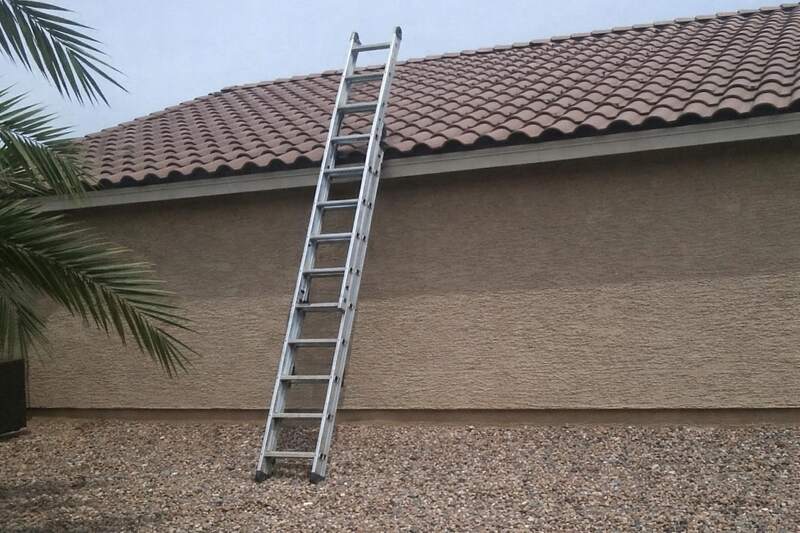
The first course of barrel tile is where most Valley roof rats get in, and the part that is supposed to close it has a name. Concrete and clay barrel tile over block and stucco is the dominant roof on post-1970 Phoenix stock, and the half-round void under that first row of tile runs the full length of the eave. The original mortar bird stops set at construction crack and crumble out after roughly fifteen to twenty years of Valley sun, and what is left is an opening far wider than anything a rat needs.
The replacement is a manufactured part: a bird stop, also called an eave closure, a code-approved metal profile usually in 26 gauge galvanized steel or aluminum, sometimes made with weep holes so the eave keeps breathing. Installing bird stopping appears on the Department of Energy list of measures recommended for clay and concrete tile roofing. The comparison worth making at quote time is that named component against a bead of expanding foam, which is what a cheap sealing number usually buys.
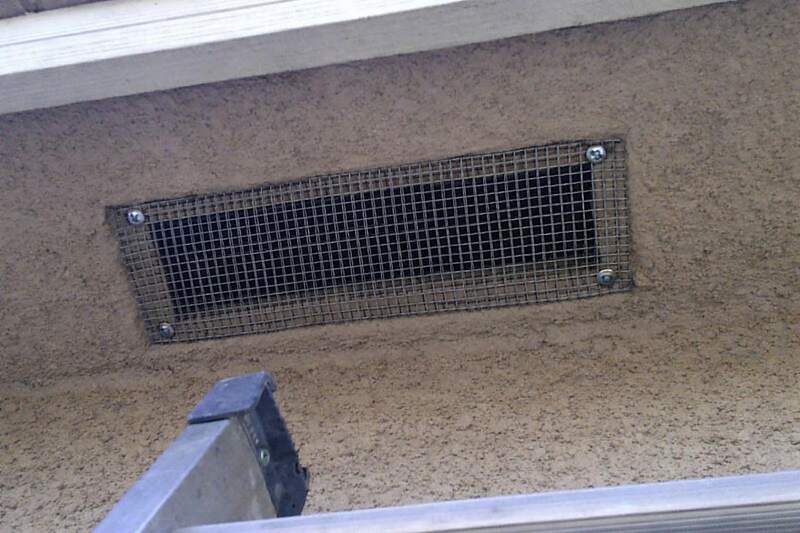
The rest of the list is shorter and just as ordinary: gable and soffit vents with no screen or a screen rusted through, the sleeve where an AC line set or electrical conduit passes through block, weep screed at the base of a stucco wall, the edge and bottom corner of a garage door, and the weep openings along a block wall. On houses with flat or low-slope foam roofs the search moves to the parapet and the scuppers instead.
Seasonally the attic calls build from October and run through March, and Maricopa County Vector Control puts peak roof rat activity from November through May. Citrus harvest over the winter and the flood irrigation schedules on the older irrigated lots keep the food and water in place through exactly that window. Summer calls tilt the other way, toward pack rats around condenser units and parked vehicles and mice in garages.
Why Phoenix property owners route the call through us
Three things separate a job that finishes from one that runs from one cool season into the next.
-
The eave gets closed or the trapping never ends
A Phoenix attic is entered from above, and the opening is usually the gap under the first course of barrel tile where the original mortar bird stops have cracked out after fifteen or twenty years. Unscreened gable and soffit vents, the sleeve where the AC line set passes through block, weep screed at the base of the stucco and the edge of a garage door make up most of the rest. Trapping with all of that still open only thins a population that refills. A job routed from here closes the quiet openings first, traps what is still inside, then closes the last runs once the attic goes silent.
Rat-proofing closes anything a quarter inch or wider, UF/IFAS Extension
-
Numbers on the page before anybody drives out
A Phoenix rat extermination visit commonly lands between $144 and $443 in Angi's Phoenix cost data, and the bands for sealing, cleanup and insulation are printed on the service pages that describe them. The free inspection turns those bands into a quote with trapping, sealing and attic work on their own lines. Homeowners comparing notes say the thing they could never judge was a single bundled figure with no breakdown behind it.
Phoenix rat extermination visit $144 to $443, Angi cost data
-
A state license number you can check yourself
Structural pest control in Arizona, roof rat and pack rat work included, requires a license from the Arizona Department of Agriculture, Pest Management Division. Every contractor routed from here carries that license, and the number belongs on the paperwork before a ladder comes off the truck. A PMD licensee may also take nuisance rodents without holding a separate wildlife license from Arizona Game and Fish, which is why one contractor can cover the whole job.
Licensing by the Arizona Department of Agriculture, Pest Management Division
Get the free inspection on the calendar
Somebody picks up this line at any hour. Say what you hear, which room it is over and how long it has gone on, and the nearest licensed contractor is lined up for a roofline and attic walk that costs nothing.
The figures that decide how a Valley job goes
Sourced numbers, because the width of an opening and the speed of a litter are why trapping on its own keeps failing.
- 1/4 in Opening width that rat-proofing has to close UF/IFAS Extension
- 90% Share of its life a roof rat spends four feet or more up Maricopa County Vector Control
- Nov to May Months roof rats are most active in Maricopa County Maricopa County Vector Control
- $144 to $443 Common cost of a rat extermination visit in Phoenix Angi cost data, Phoenix
A common call from an older irrigated street
The situation: A 1950s ranch house on a flood-irrigated lot with grapefruit and orange trees along the side fence. Running above the main bedroom every night since the middle of November, fruit on the ground with the inside eaten out, and a homeowner who has given up on sleeping through the night and been told by a neighbor it is probably birds.
What gets done: The roofline walk finds the mortar bird stops along the rear eave crumbled out of three separate runs of tile, a gable vent with the screen rusted through, and droppings a quarter to half an inch long with pointed ends along the top plate over the bedroom, which is the roof rat pattern UF/IFAS describes. The vent is closed in galvanized steel the same afternoon, traps go on the marked runs, and the eave is fitted with metal bird stops once the traps stop producing.
How it turns out: Three visits across about three weeks, a quote with trapping and sealing priced apart, and a recommendation to have the citrus limbs cut back about three feet off the roof. The noise stops inside the first week and the final check finds nothing fresh.
Rat holes around a building
What a burrow looks like, and where it leads.
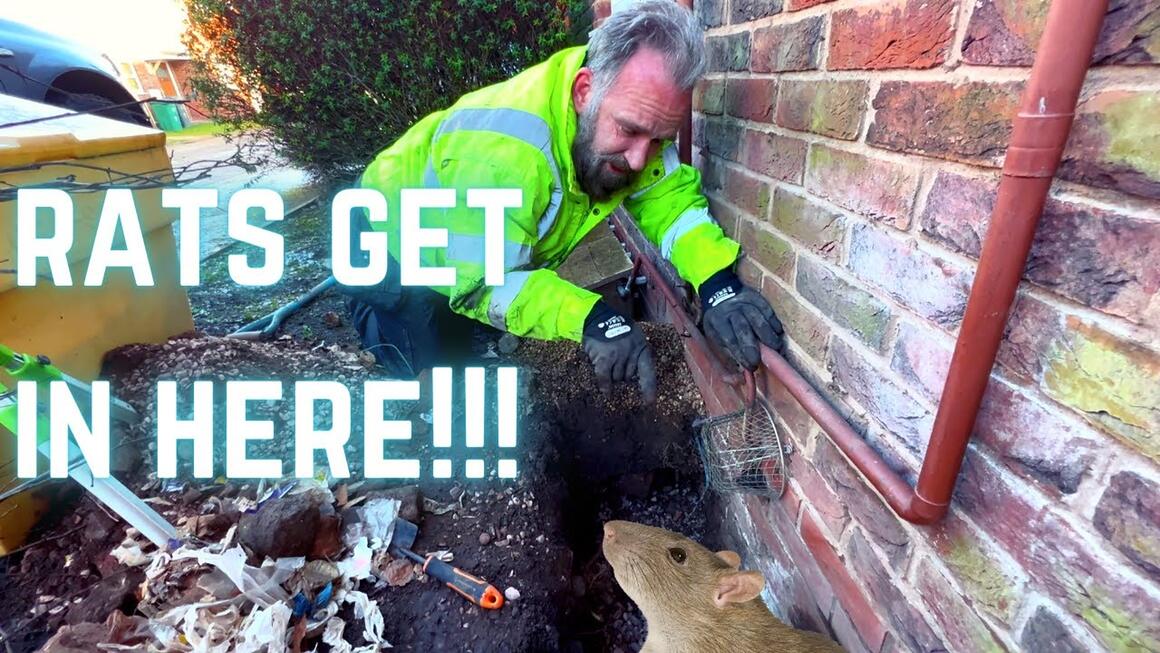
Video: RAT holes around your house? How to stop rats burrowing, from Pest Interceptors.
How a rodent job runs in Phoenix
The same five steps on every call, with the sealing in the middle where it belongs, because closing a house full of rats and trapping a house with an open eave both fail for the same reason.
-
Describe it on the phone
Which room the noise is over, what hour it happens, how many nights it has run, and anything you have seen or found. That narrows the animal to roof rat, pack rat or mouse before anybody drives out.
-
The free inspection
The eave, the vents, the penetrations, the attic and the perimeter wall are walked and photographed, every opening is written down, and a quote is drawn up from that list.
-
Close what is not in use
Metal closures go on first at the openings with no traffic, which shrinks the building down to the few runs the animals are using.
-
Trap what is still inside
Snap traps go on the active runs and stay at least a week, because UF/IFAS notes roof rats are wary of anything new in their path. They are checked and reset rather than left.
-
Close the last runs, then restore
Once the attic has gone quiet the remaining openings are closed, and the droppings, nests and fouled insulation are dealt with where the attic calls for it.
What to expect
Five things happen on every job in this order, whichever contractor takes it on.
- A call back to confirm the address and what you are hearing
- A ladder at the eave and a light in the attic before anything is priced
- A written quote with trapping, sealing and attic work on separate lines
- Traps checked on a schedule and openings closed in sequence
- A walk of the roofline with you before the job is signed off
Which service fits the call
Most jobs use two or three of these in sequence. Each one carries a published figure so a budget can start before the inspection rather than after it.
-
Roof rat removal
Trapping on the active attic runs, sequenced with the eave closure. Angi puts a Phoenix rat extermination visit at $144 to $443 commonly, averaging about $286. Roof rat removal.
-
Pack rat removal
Middens cleared from under shrubs, wall corners and equipment pads, with the wiring on vehicles and condensers checked. Priced from the site at the free inspection. Pack rat removal.
-
Mouse removal
Garage, pantry and storage trapping plus the quarter-inch gaps UF/IFAS identifies as enough for a mouse. The smallest and usually the quickest of these jobs. Mouse removal.
-
Rodent exclusion
Metal bird stops along the tile eave, galvanized steel at the vents, collars at the conduit sleeves. Angi puts Phoenix exclusion work at $200 to $600, with a whole-shell job running into the $500 to $2,500 national band. Rodent exclusion.
-
Rodent inspection
The inspection costs nothing here, against a national band that runs from zero up to $175. HomeGuide puts a standalone inspection at $0 to $175 nationally, and homeowners online describe paying around seventy-five dollars just to get a bid written at all. Rodent inspection.
-
Attic cleanup
Droppings, nests and fouled insulation out, then the space sanitized. HomeGuide puts cleanup and decontamination at $600 to $2,500 nationally. Attic cleanup.
-
Insulation replacement
Flattened and soiled blown-in fill taken out and fresh material blown back. The published rate runs $2.50 to $5.50 for each square foot treated, per HomeGuide 2026. Attic insulation replacement.
-
Dead rodent removal
Tracing a smell to the carcass in a wall or attic, removing it, and closing the opening behind it. HomeGuide puts this at $150 to $500 nationally. Dead rodent removal.
-
Clearance letters
A written inspection report for an escrow file, a lease, an HOA dispute or an insurance claim, priced as the inspection plus any sealing the visit turns up. Rodent clearance letters.
-
Commercial work
Restaurants, warehouses, retail strips and multifamily, with the documentation an inspector or an auditor expects to be handed. Commercial rodent control.
Where contractors get dispatched
Phoenix and the wider Valley across Maricopa County. The areas and towns below have pages of their own because the housing stock and the animal change as you cross the Valley.
What Phoenix callers ask first
Straight answers to the questions that come up on nearly every call.
How long does it usually take to get rid of roof rats?
Most Valley jobs run two to four weeks from the first visit to the last closure. HomeGuide puts trapping a small number of animals at two to three days and a severe infestation at one to two months, and UF/IFAS advises leaving traps where they are for at least a week because roof rats avoid anything newly placed. The sealing is what gives the timeline an ending; the four-month stories almost always describe trapping with nothing closed.
Is it roof rats, pack rats or mice?
Where you hear it settles it most of the time. Running across a ceiling after dark in a Phoenix house is a roof rat, which Maricopa County Vector Control reports spends about ninety percent of its life four feet or more above the ground. Sticks and cholla piled against a block wall, a shed or a parked car is a pack rat, and that is an outdoor job. Scratching in a garage, a pantry or behind a water heater is usually a mouse. Droppings help too: UF/IFAS gives the roof rat dropping as a quarter to half an inch, banana shaped with pointed ends.
What keeps them out for good?
A closed building shell. Repellent granules, ultrasonic plugs and bait stations do nothing about the opening, and Maricopa County Vector Control puts a roof rat's foraging range at roughly two to three hundred feet from the nest, so a neighbor's citrus and a run of power line keep the pressure up regardless of what is on your own lot. Galvanized steel at the vents, metal bird stops along the tile eave, mortar or a collar at the conduit sleeves, and limbs trimmed back about three feet off the roof are what hold.
What is the cheapest way to get rid of rats?
Sealing and snap traps, done once and done properly. Angi puts a Phoenix rat extermination visit at $144 to $443 commonly, with exclusion work such as screening vents, repairing holes and pruning back trees at $200 to $600, and follow-up visits at $50 to $150. A bait-only plan is the route that looks cheapest and usually ends with a carcass in a wall plus a repeat visit, which is how the total climbs.
Should I just put down poison?
The notion that poison sends a rat outside looking for water is folklore. The EPA describes most rodenticides as anticoagulants that kill four days to two weeks after feeding starts, and second-generation anticoagulants have been withdrawn from consumer products. UF/IFAS notes that trapping cuts the risk of a poisoned animal dying somewhere inside the building. What a licensed contractor uses, where, and whether anything goes indoors is worth asking before work starts.
Who comes out, and are they licensed?
An independent Phoenix-area contractor holding a license from the Arizona Department of Agriculture, Pest Management Division. Structural pest control in Arizona, which covers roof rat work and the site-specific recommendations that go with it, requires that license. A PMD licensee may also remove nuisance rodents without a separate wildlife license from Arizona Game and Fish. Ask for the business license number, verify it with the PMD, and ask for proof of insurance in the same breath.