Rodent Removal in Goodyear, AZ
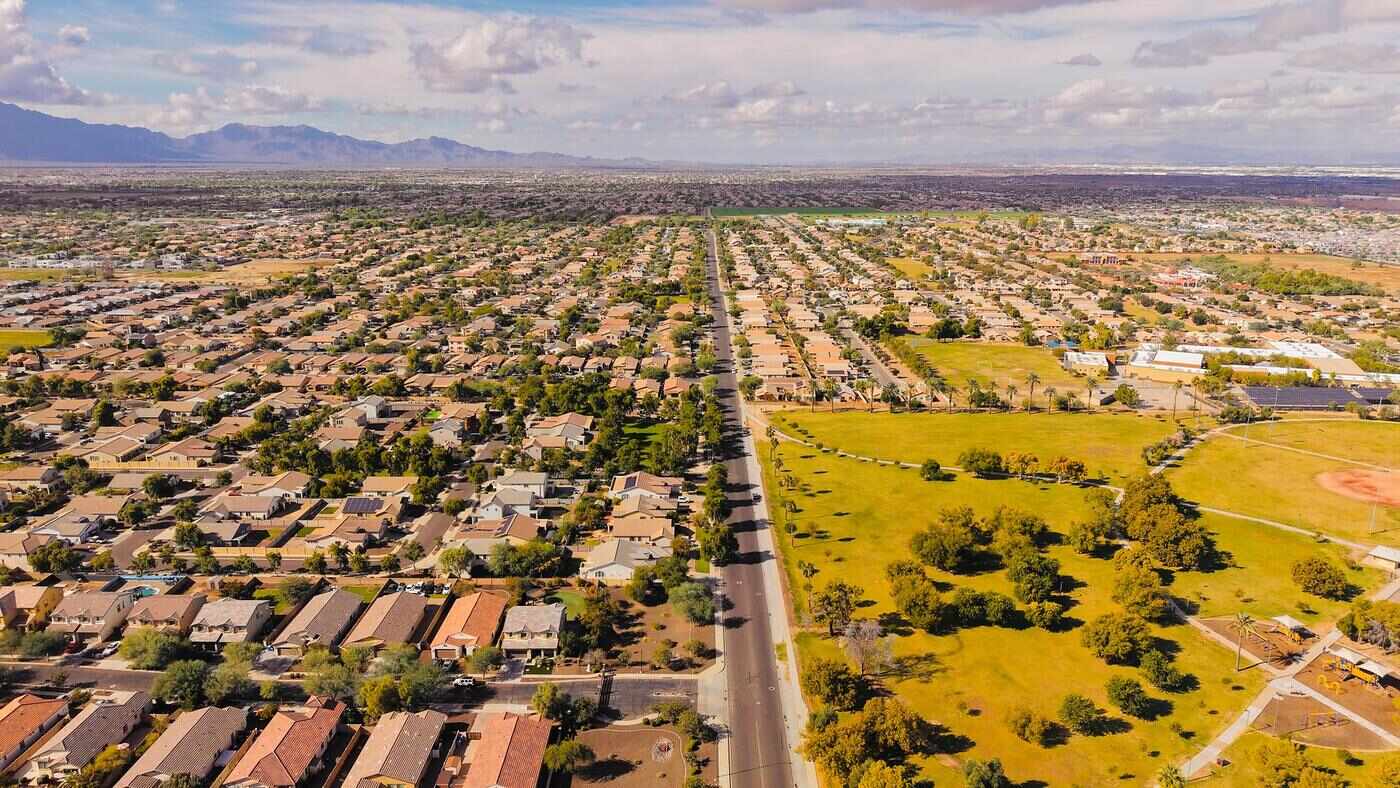
Goodyear is new subdivision spread across land that was farmed within living memory, with fields, canals and the Estrella foothills around the edges. The inspection costs nothing.
Free Inspection in Goodyear
A free inspection in Goodyear works the eave from a ladder, checks the first course of tile, the vents and the penetrations, reads the attic with a light for droppings and worn runs, then covers the wall line, the equipment pads and the garage door edge. The findings come back written down with trapping, sealing and attic work carrying separate prices.
Goodyear is in the south-west Valley in Maricopa County, inside the working area for a west Valley contractor. The line is answered at any hour. Book a free inspection and mention what lies beyond your back wall, because on this side of the Valley a field edge or a canal changes what the walk looks for.
Subdivision built against farmland that is still working
Goodyear takes its name from the tire company, which grew cotton here for tire cord from the 1910s, and agriculture shaped the area for most of the century that followed. Much of the present city is 1990s to 2020s subdivision laid across that ground, and a great deal of farmland is still in production immediately beyond it or in the process of converting.
A working field, a fallow parcel and a construction site are all better habitat than a finished subdivision, which means a lot on the edge has animals arriving from outside it continuously. Irrigation laterals and canals serving the remaining agriculture add water and cover on a schedule, in a place where neither is otherwise easy to find.
An individual homeowner cannot change any of that, and nothing about it has to change. Maricopa County Vector Control puts roof rat foraging at roughly two to three hundred feet from the nest, so a field boundary that close is inside range regardless. What changes the outcome on your own lot is whether the eave, the vents, the wall weep openings and the garage line are closed, which is the work the quote is built on.
Newer tile roofs reaching the age where the first course opens
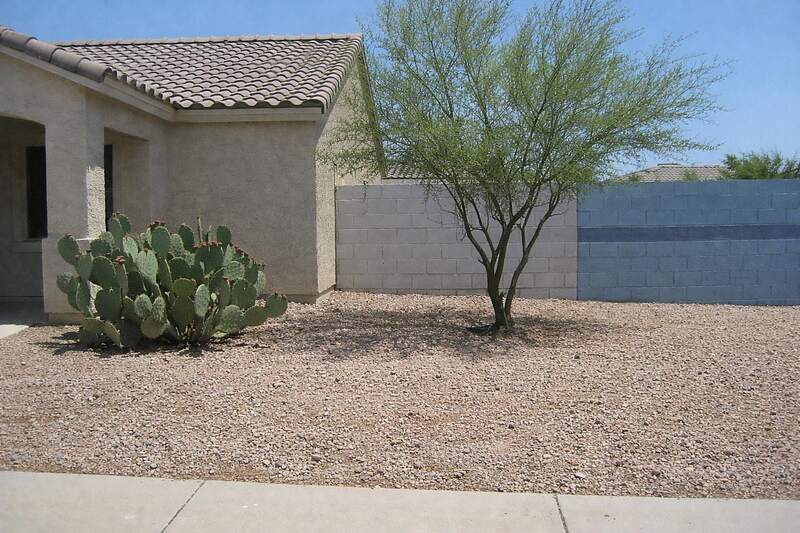
Concrete and clay tile over block and stucco dominates Goodyear housing, and the gap under the first course of tile is the single most common way into an attic here. Mortar was what closed the tile ends at construction, and fifteen to twenty years of sun and expansion crumble it away to nothing.
For a city built largely since the late 1990s, that means the earliest subdivisions are well past the threshold and the mid 2000s ones are arriving at it now. A house can be twenty years old, immaculate, on a gravel lot with nothing taller than a lantana near it, and have a continuous void running the length of its eave. None of it is visible from the ground.
The replacement is a named part: a bird stop, also called an eave closure, a code-approved metal profile usually in 26 gauge galvanized steel or aluminum, with ventilated versions carrying weep holes so the eave keeps breathing. After that the list is short: gable and soffit vents, the air conditioning line set sleeve through the block, mesh at the weep screed, the garage door bottom seal, and the wall weep openings. Rodent exclusion covers the specification.
Toward the Estrellas the ground-level animal arrives
South and west of the main built-up area, where Goodyear reaches toward the Estrella Mountains and open desert, the woodrat becomes a real part of the picture alongside the roof rat. On a gravel lot with cactus and palo verde against open ground, that animal is a native resident.
The University of Arizona Cooperative Extension describes the nest, a midden, as a mound of vegetation and sticks built at the base of a prickly pear or a palo verde with several entrances and shallow tunnels, which on a subdivision lot means against a block wall corner, under a shrub, inside a shed, beneath a condenser pad or under a vehicle standing still. The extension also notes woodrats gnaw the vinyl and plastic shielding on electrical wire and are notorious for chewing the wiring of cars and appliances, and on a lot with a condenser, a pool pump and irrigation controls that is the expensive consequence.
An inspection out there therefore opens equipment cabinets and looks underneath structures rather than stopping at the roofline. The closures are ordinary and durable: a mesh skirt pinned at the gravel line around a pad, screens in the wall weep openings, a real seal on a shed door, the gate gap closed, and stored pavers and firewood lifted off the gravel. Pack rat removal covers the work.
What We Handle in Goodyear
Goodyear work is mostly tile-eave closure and attic trapping, with ground-level barriers on the lots nearest the fields and the foothills.
- Rodent exclusion: metal bird stops along the measured first course, galvanized cloth at the vents, a collar at the line set sleeve, mesh at the weep screed and the wall weep openings.
- Roof rat removal: attic trapping on the active runs, left at least a week because UF/IFAS notes roof rats avoid newly placed objects.
- Pack rat removal: middens cleared from wall corners, shrub beds, sheds and equipment pads, with wiring on condensers and vehicles checked.
- Rodent inspection: free, covering roof, attic, wall line, equipment and outbuildings, with each finding written down.
- Mouse removal: garage, pantry and storage trapping plus the quarter-inch openings they use.
- Attic cleanup: droppings, nests and caches removed and the space sanitized, insulation depth recorded.
- Attic insulation replacement: flattened or soiled fill measured, removed and blown back to depth.
- Dead rodent removal: tracing a smell to the carcass and closing the opening behind it.
- Commercial rodent control: the logistics and distribution buildings along the freeway corridor, retail, restaurants and multifamily.
A Typical Goodyear Job
The situation: A 2005 two-story house in a Goodyear subdivision whose rear wall faces a field that is still farmed. The owners had heard nothing at all and were not worried about rodents; what prompted the call was a home inspection during a refinance that reported droppings in the attic and an open section of eave, and a lender who wanted it addressed.
What gets done: The walk confirms both items and adds a third. The first-course tile closures are gone along roughly thirty-one feet of the rear eave, the elevation facing the field, and intact elsewhere. The attic has droppings a quarter to half an inch long with pointed ends near the rear corner, dry but not brittle, and a lightly worn run, which reads as recent rather than current. Along the wall line three weep openings are open and a stack of spare pavers sits directly against the wall on gravel. Traps go into the attic as verification for ten days and catch one animal in the first three nights. The second visit fits a ventilated metal bird stop along the rear eave, screens the three weep openings and replaces the garage door bottom seal. The pavers are moved.
How it turns out: One animal, then nothing across the remaining week and nothing on the final check. The insulation is scuffed over a small area and dry, so it is cleaned and topped rather than replaced. The report names the rear elevation as the exposed one, lists thirty-two feet of bird stop, the three weep screens and the garage seal, and states that the attic evidence was recent rather than ongoing. The lender accepts it.
What This Costs in Goodyear
A Goodyear quote is largely a footage calculation on the eave plus a count of ground-level sites. The figures below are typical-job bands confirmed at the free inspection.
| Work | Phoenix area (Angi) | National (HomeGuide 2026) |
|---|---|---|
| Inspection | Free here | $0 to $175 standalone |
| Trapping visit | $144 to $443, averaging about $286 | $250 to $1,200 |
| Follow-up visit | $50 to $150 | Included above |
| Sealing named openings | $200 to $600 | Part of the whole-home band |
| Whole-shell exclusion | Above the Phoenix figure on a two-story tile eave | $500 to $2,500 |
| Midden clearance and site closure | Quoted per site | Cleanup band applies where it extends indoors |
| Attic cleanup | Quoted from the measured area | $600 to $2,500 |
| Insulation removal and replacement | Quoted per square foot | $2.50 to $5.50 per sq ft |
One open elevation on a single-story house is a low figure in the Phoenix sealing band. A two-story house with two open elevations, a shed, an equipment pad to skirt and a row of wall weep openings is a longer list and moves toward the national figure. Ask for the eave footage by elevation and the ground-level sites counted, because those two numbers explain nearly all of the variation here.
The order an attic job runs in
Five stages, from inspection through to cleanup.
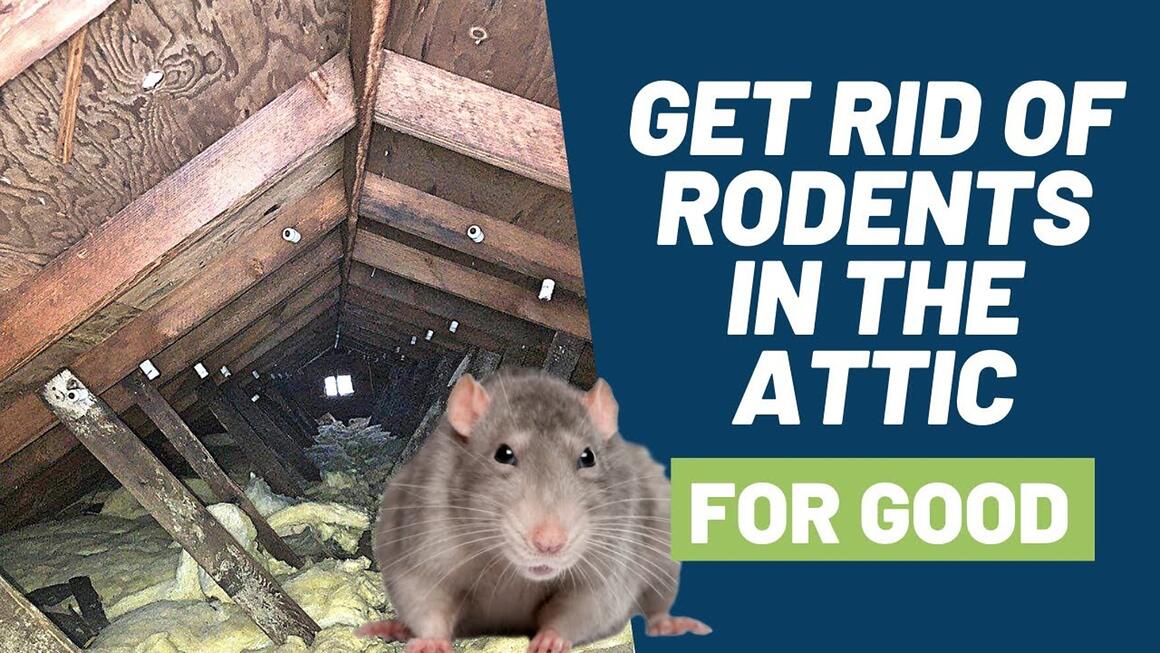
Video: 5 Step Solution to Get Rid of Rodents in Your Attic, from Atticare Construction.
Common Questions in Goodyear
What Goodyear callers ask before booking.
We back onto a field. Is that the cause?
It raises the supply, and the outcome still depends on your own building. A working or fallow field is better habitat than a finished subdivision, and Maricopa County Vector Control puts roof rat foraging at roughly two to three hundred feet from the nest, so a field boundary that close is inside range whatever happens on it. Nothing you do to the field will change that. What does change things is closing the eave, the vents, the wall weep openings and the garage line.
The land behind us is being developed. Should we do anything now?
Getting the shell closed before the ground is disturbed is sensible, because disturbance moves animals around. The useful sequence is an inspection now, the eave measured and closed, the vents screened, the wall weep openings and gate gaps shut, which leaves the house unavailable regardless of what happens next door. No figure is offered here about how much construction increases the pressure, because none is sourced.
A home inspector found droppings but we have heard nothing. Is that urgent?
It is worth establishing whether the evidence is current or historic, which is a judgment made on site rather than from a report. UF/IFAS gives the roof rat dropping as a quarter to half an inch with pointed ends, and freshness, along with whether a run is worn through the insulation, is what separates ongoing activity from something that has stopped. A short trap line as verification, plus closing the opening, is usually the proportionate answer, and it is also what satisfies a lender or a buyer.
Why does a twenty-year-old roof need work?
Because the mortar closures in the first course of tile crack out after roughly fifteen to twenty years of Valley sun, which leaves a continuous opening along the eave. A house built in the mid 2000s is arriving at that point now and one built in the late 1990s is well past it. The condition is not visible from the ground and is not a maintenance failure; it is the expected life of the original material. A ladder walk measures how much of the run has gone.
Nearby Areas We Serve
The same contractors cover the south-west Valley towns around Goodyear, and the service area runs across Maricopa County.