Rodent Removal in Gilbert, AZ
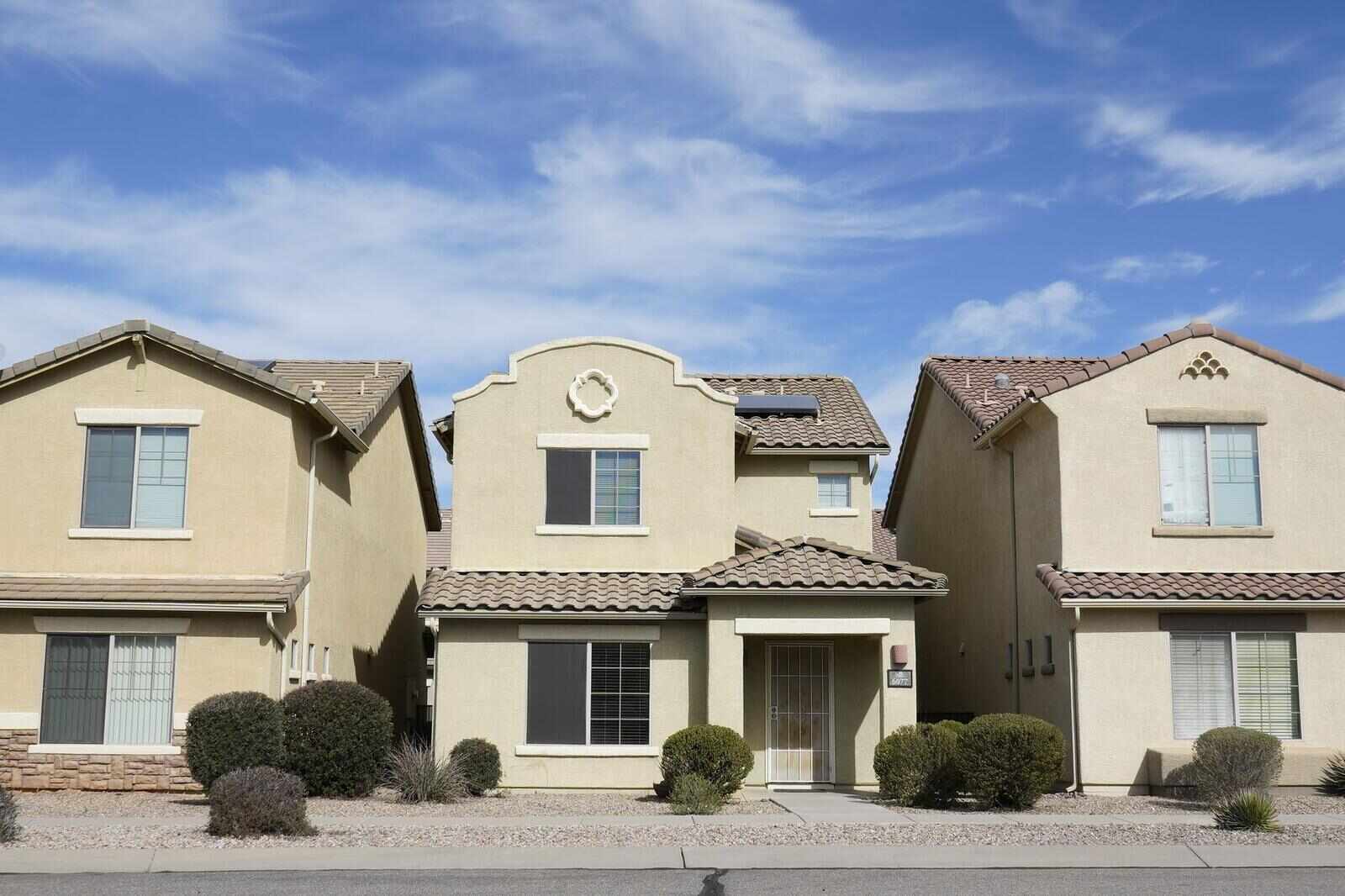
Gilbert is among the newest housing in the Valley, which is precisely why so much of it is reaching the age where the tile eave opens. The inspection that finds out is free.
Free Inspection in Gilbert
A free inspection in Gilbert walks each eave run from a ladder, checks the first course of tile, the gable and soffit vents and the penetrations, reads the attic with a light for droppings and worn runs, then covers the wall line, the equipment pads and the garage door edge. The findings come back written down, with trapping, sealing and any attic work carrying their own prices.
Gilbert is in Maricopa County south-east of Mesa and east of Chandler, inside the normal working area for an east Valley contractor. The line here is answered at any hour. Book a free inspection and give the approximate build year if you know it, because on Gilbert housing that single number predicts most of what the walk will find.
New housing that has reached the age where the eave opens
Gilbert went from a farming town to one of the fastest-growing places in the country across the 1990s and 2000s, which means an unusual share of its housing was built inside a narrow span of years. That matters here in a specific, almost arithmetical way.
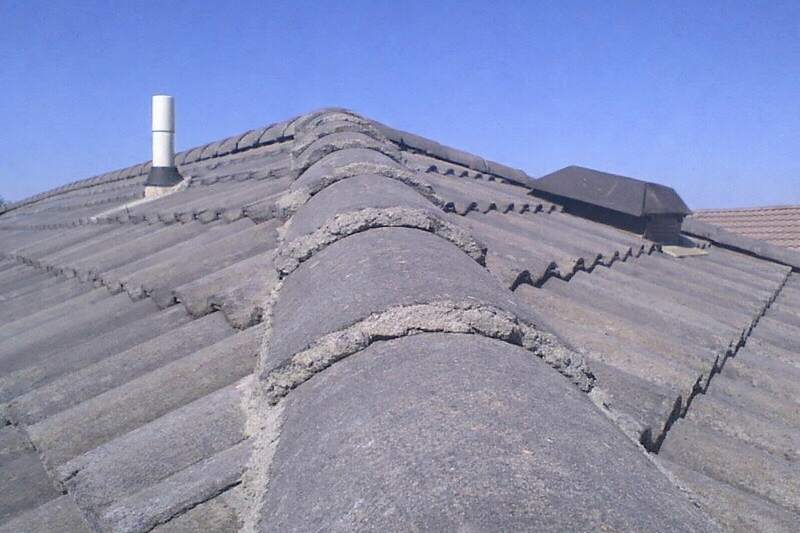
Concrete and clay tile over block and stucco dominates that stock, and the gap under the first course of tile was closed with mortar at construction. Mortar bird stops crack and crumble out after roughly fifteen to twenty years of Valley sun and thermal movement, so a town whose housing went up between about 1995 and 2008 has a very large number of roofs arriving at that threshold together. A house can be twenty years old, immaculate, with nothing growing anywhere near it, and still have a continuous void running the full length of its eave.
The replacement is a named component: a bird stop, also called an eave closure, a code-approved metal profile usually in 26 gauge galvanized steel or aluminum, with ventilated versions carrying weep holes so the eave keeps breathing. Bird stopping sits on the Department of Energy list of recommended measures for roofs covered in clay or concrete tile. Rodent exclusion covers how it is measured and priced.
Retention basins, greenbelts and young canopy
Gilbert subdivisions are laid out around retention basins, parks and landscaped greenbelts, and the trees planted with those neighborhoods are now old enough to reach rooflines. That is a change from how the city looked when it was built, and it has moved the rodent picture along with it.
Maricopa County Vector Control reports roof rats travel power lines and tree limbs and spend around ninety percent of their lives four feet or more above the ground, so canopy reaching an eave is a route where twenty years ago there was open sky. A basin or greenbelt is also the thickest cover in a neighborhood and usually has irrigation running to it. Trimming growth back about three feet off the roofline removes the bridge, and clearing the dead frond skirt off palms does the same job.
Remaining agricultural parcels and horse properties, particularly toward the southern and eastern edges of town, add another element: feed, bedding and outbuildings. On a lot with any of that, the feed room is worth inspecting before the house attic, because grain and pellets in bags are a food supply on a scale nothing in a kitchen reaches.
Two-story houses make the eave a ladder job
A high proportion of Gilbert housing is two-story, and that has two practical consequences worth knowing before quotes get compared. The first is that the eave is further up, so the work takes longer and requires the right equipment, and an inspection that only looks at the parts reachable from a six-foot ladder has not seen the building.
The second is that two-story elevations create junctions: the point where an upper wall meets a lower roof, where a soffit returns into a wall, and where a garage roof abuts the second story. Those junctions are where closures are most often incomplete, on the original build as well as after a reroof, and they are also the spots a homeowner can never see from the ground.
So a Gilbert quote should state which elevations and how many feet of eave it covers. Angi puts named-opening exclusion work in the Phoenix area at $200 to $600 and HomeGuide puts a whole-shell closure at $500 to $2,500 nationally, and on a two-story tile house the footage is most of the distance between those two numbers. Ask for proof of insurance as well, since this is ladder work at height.
What We Handle in Gilbert
Gilbert calls are dominated by tile-eave closure and attic trapping, with feed-room and outbuilding work on the larger southern and eastern lots.
- Rodent exclusion: metal bird stops along the measured first course, galvanized cloth at the vents, closures at the two-story wall and roof junctions, collars at the line set sleeves.
- Roof rat removal: attic trapping on the active runs, left at least a week because UF/IFAS notes roof rats avoid newly placed objects.
- Rodent inspection: free, covering every eave run including the upper elevations, the attic, the wall line and the garage.
- Mouse removal: garage, pantry and feed-room trapping plus the quarter-inch openings that let them in.
- Pack rat removal: middens cleared from wall corners, shrub beds and equipment pads, with wiring on condensers and vehicles checked.
- Attic cleanup: droppings, nests and caches removed and the space sanitized, with insulation depth recorded.
- Attic insulation replacement: measured in square feet and priced accordingly rather than quoted whole-attic by default.
- Dead rodent removal: tracing a smell to the carcass, removing it and closing the route in.
- Rodent clearance letters: dated reports for escrow files, which on fast-turning newer stock come up often.
A Typical Gilbert Job
The situation: A 2004 two-story house in a Gilbert subdivision with a retention basin at the end of the street and a young ash tree in the front yard whose limbs now reach the lower roof. The owners heard movement above a bedroom ceiling on the second floor through January, and a home inspection during a refinance had already noted droppings in the attic without anybody following it up.
What gets done: The walk needs a taller ladder than most. The first-course tile closures are gone along roughly thirty-three feet of the upper rear eave and at the junction where the second-story wall meets the garage roof, while the street-facing elevation is intact. The attic shows droppings a quarter to half an inch long with pointed ends along the top plate above that bedroom and a worn run toward the rear. The ash limbs are touching the lower roof and the cable drop is resting on a tile edge. Traps go onto the attic run on the first visit. The second visit fits a ventilated metal bird stop along the upper rear eave, closes the wall and roof junction with sheet metal fastened to framing, and screens one chewed soffit vent. The ash is trimmed back about three feet by the owners' landscaper and the cable drop is reported to the utility.
How it turns out: Three animals across nine days, nothing in the following week, and a final check with no fresh droppings. The insulation along the run is flattened over roughly forty square feet, so that area is cleared and topped back to the surrounding depth rather than the whole attic being replaced. The record lists thirty-four feet of bird stop, the junction closure, the soffit vent with the mesh gauge, the forty square feet of insulation and the depth before and after, which is also what answers the refinance note.
What This Costs in Gilbert
A Gilbert quote is mostly a footage calculation, and on a two-story tile house that footage is higher than a homeowner tends to expect. The bands are typical-job figures settled at the free inspection.
| Work | Phoenix area (Angi) | National (HomeGuide 2026) |
|---|---|---|
| Inspection | Free here | $0 to $175 standalone |
| Trapping visit | $144 to $443, averaging about $286 | $250 to $1,200 |
| Follow-up visit | $50 to $150 | Included above |
| Sealing named openings | $200 to $600 | Part of the whole-home band |
| Whole-shell exclusion, two-story tile | Generally above the Phoenix figure | $500 to $2,500 |
| Attic cleanup | Quoted from the measured area | $600 to $2,500 |
| Insulation removal and replacement | Quoted per square foot | $2.50 to $5.50 per sq ft |
| Dead rodent removal | Quoted at the visit | $150 to $500 |
One single-story elevation with a chewed vent is a low figure in the Phoenix band. A two-story house with the upper rear eave open, a wall and roof junction to close and a garage that was never sealed climbs toward the national figure. The question to put to any Gilbert quote is how many feet of eave and which elevations, because a bid that only covers what a short ladder reached will always look cheaper.
Why mice keep coming back
A look at the openings that make it repeat.

Video: EASY WAY to Get Rid of Mice in Your House FOREVER, from Silver Cymbal.
Common Questions in Gilbert
What Gilbert callers ask before booking.
Our house is not old. How can the roof already be a problem?
Because the relevant clock is about fifteen to twenty years rather than fifty. The first course of tile was closed with mortar at construction, and mortar bird stops crack and crumble out after roughly that long under Valley sun and thermal movement. A town where most of the housing went up between the late 1990s and the late 2000s therefore has a great many roofs reaching that threshold at around the same time. It is not a maintenance failure and it is not visible from the ground.
We have no big trees. Does that rule out roof rats?
No. Maricopa County Vector Control reports roof rats travel power lines as well as tree limbs and forage within roughly two to three hundred feet of the nest, so a utility drop, a block wall running to a corner of the house, or a tree in a neighboring yard is route enough. Young subdivision canopy is also taller than people realize after twenty years. The diagnostic weight goes on the eave and the vents rather than on the landscaping.
Why do two Gilbert quotes differ so much?
Usually because they cover different amounts of the building. A bird stop is fitted along a run, so the work is measured in feet, and a quote written from what a short ladder reached will be cheaper and will leave the upper elevations open. Angi puts named-opening exclusion in the Phoenix area at $200 to $600 and HomeGuide puts a whole-shell closure at $500 to $2,500 nationally. Ask each quote for the eave footage and the elevations included, and the comparison becomes straightforward.
Can you do the upper elevations safely?
That is a question about equipment and insurance and it is a fair one to ask directly. Two-story tile eaves need the right ladder or lift and somebody comfortable working on tile, which is brittle and expensive to break. Ask for proof of insurance along with the Arizona Department of Agriculture Pest Management Division license number, and verify the license with the PMD. A contractor who proposes to quote the upper eave without going up to look at it is guessing.
Nearby Areas We Serve
The same contractors cover the towns adjoining Gilbert, and the service area runs across the whole of Maricopa County.